


New research by Citizen Lab reveals zero-click spyware delivered through targeted ads. They call it "AdFection."
— Brave (@brave) October 17, 2026
Just viewing an ad can be enough to infect a device.
The folks at Brave are warning users about a terrifying new way hackers are breaking into phones and computers without anyone even clicking a link. In a recent thread on X, the browser maker broke down a Citizen Lab investigation into an attack called “AdFection,” where simply loading a webpage with a rigged ad is enough to silently plant spyware on your device.
“Just viewing an ad can be enough to infect a device,” Brave pointed out while noting how an ad firm called Discover-Tech pushed malicious ads across 120,000 websites and 75,000 apps between March and June this year. That same ad pipeline was used to secretly infect at least 45 devices at Al Jazeera with mercenary spyware.
Most people assume an online ad is just a harmless image trying to sell shoes, but modern ads actually run third-party code right inside your browser the second they appear on screen. Behind-the-scenes ad auctions also share so much device and location data that attackers can single out specific people to hit.
This is even more concerning now that Chrome has pushed uBlock Origin out of reach for regular users who rely on it to block shady scripts.
That said, Google has already cut off Discover-Tech’s ad platform access and IAB Europe suspended the vendor too, though Brave warns that “these actions don’t fix the systemic vulnerabilities of the online ad market that enabled this spyware to spread.”
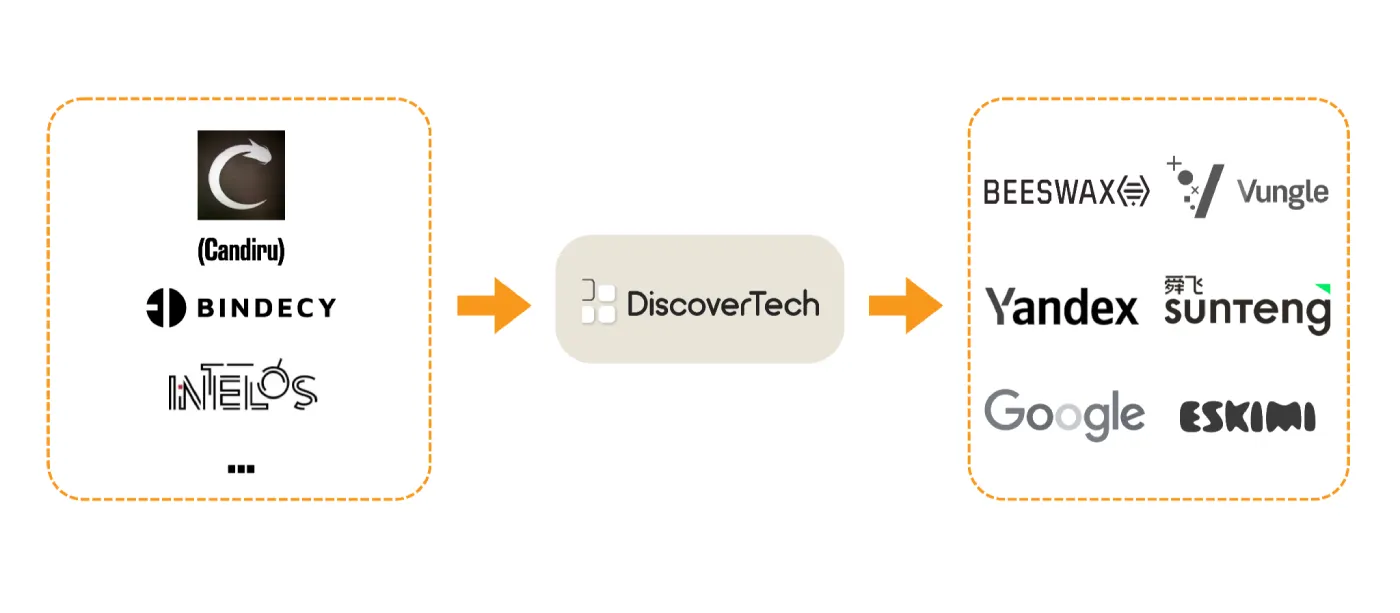
Meanwhile, Edge is following Chrome in dropping Manifest V2 extensions by the end of 2026. So anyone using a mainstream browser like Chrome or Edge now has fewer heavy-duty options to filter what loads on a page.
Citizen Lab actually recommends blocking ads and trackers to cut down your exposure to these targeted attacks. Brave was quick to remind everyone that it blocks both by default out of the box, and the company also recently confirmed that its supported Manifest V2 extensions aren’t going anywhere if you still like running uBlock Origin or NoScript on top of Brave Shields.

We stand out from the tech-media crowd because we break news stories; we mainly bring you stuff that you won’t find anywhere in the mainstream tech media. Our stories have been picked up by some of the world’s most popular websites and media outlets—more info is available here.

Dwayne Cubbins
3125 Posts
I cover fast-moving stories across apps, online platforms, and everyday tech — phones, wearables, consoles, and whatever else people are fighting with this week. Bugs, rollouts, scams, policy enforcement, and the occasional internet-culture rabbit hole are all fair game. My goal is simple — make confusing tech news readable. When I'm not working, I'm working out or chilling with my dog. Got a tip? You can find me on X @dcubbins.