


The folks at Brave have revealed that they’re changing how their search results work over the next few days to fight off a massive wave of automated scrapers. Instead of pointing directly to websites, search results will now route through encrypted search.brave.com/go/ links.
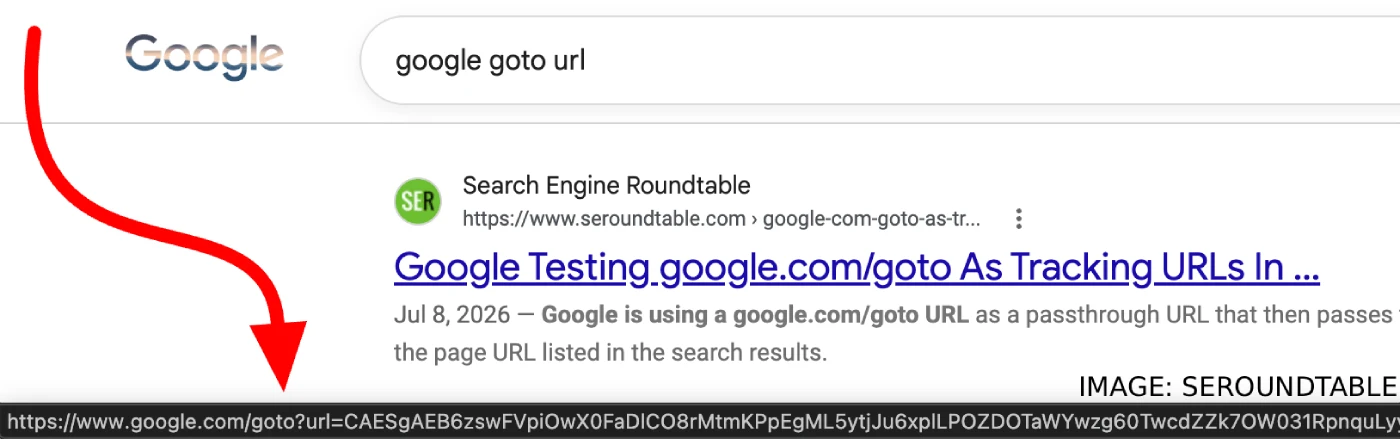
If you’re wondering why this sounds familiar, it’s because Google made this very same change just a couple of months ago. The search giant had rolled out its own google.com/goto redirect links to block third-party scraping tools and AI bots.
Unlike DuckDuckGo and most other alternative search engines that rely on Bing under the hood, Brave actually maintains its own independent web index. That made it an obvious target for companies looking to grab cheap search data to feed AI chatbots and agents.
According to Brave’s official blog post, this migration triggered massive traffic spikes of “several thousand requests per second” that hammered its servers. Dialing up regular bot protections only made things worse for actual human users by slowing down search results and throwing up annoying CAPTCHAs everywhere.
This arrives right as Brave’s search engine is seeing rapid organic growth on its own. As we covered earlier this month, Brave recently crossed 130 million monthly active users and pulled in over 2.7 billion monthly search queries as more folks get tired of Google forcing heavy AI changes into search.
To help keep bots at bay while still making things easy for regular users, Brave adapted Google’s redirect idea and removed the tracking. Typically, when a search engine routes clicks through a redirect link, it can see every website you visit after leaving the results page.
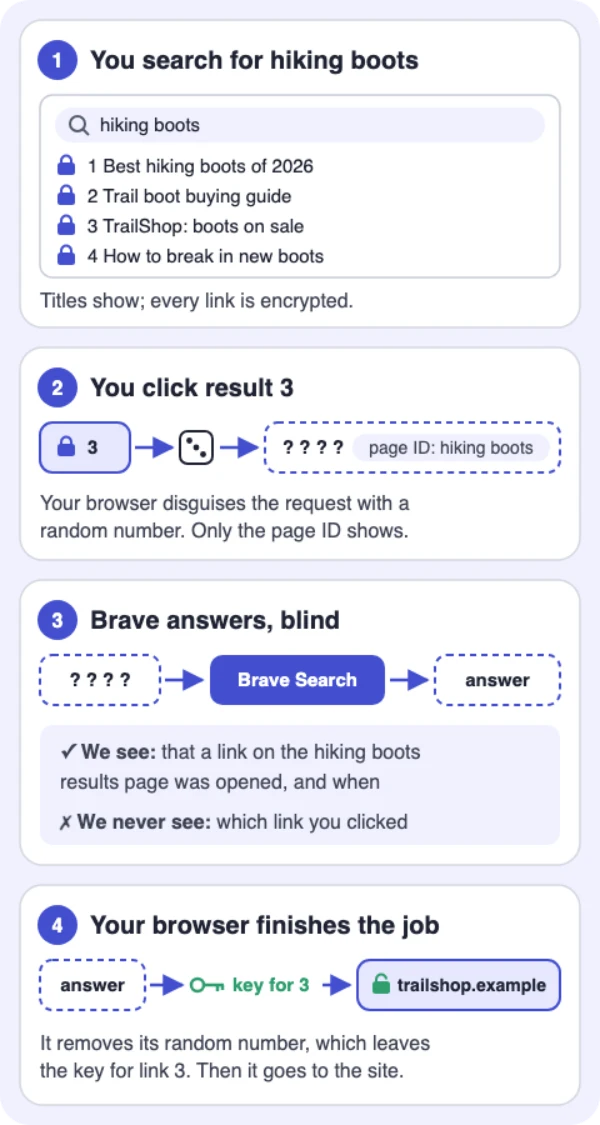
Brave says it “would rather continue not knowing” where you go. So when you click a result now, your browser uses a disguised request to grab a one-time decryption key from Brave’s servers and opens the destination link locally.
Brave can tell when someone clicks a link on a specific search page, but not which website they chose. For someone clicking just one or two links, everything works just as it did before. Scrapers that try to collect every URL on a page must request keys one at a time, which helps Brave spot and block them more easily.
Two minor catches remain: copying a link from search results copies the temporary redirect, not the website URL; users with JavaScript disabled get standard redirects.


Dwayne Cubbins
3197 Posts
I cover fast-moving stories across apps, online platforms, and everyday tech — phones, wearables, consoles, and whatever else people are fighting with this week. Bugs, rollouts, scams, policy enforcement, and the occasional internet-culture rabbit hole are all fair game. My goal is simple — make confusing tech news readable. When I'm not working, I'm working out or chilling with my dog. Got a tip? You can find me on X @dcubbins.