





In an unexpected turn of events, Kagi has officially announced that it is ending plans to release its Orion browser on Windows and Linux. In a blog post published on October 2, the company said it is ending internal development of the browser for both platforms. Instead, it will dedicate its resources entirely to Orion for macOS and iOS.
But there’s still some good news for Windows and Linux users out there who were waiting for the browser to arrive. Instead of scrapping all the code it worked on for months, the company has decided to hand it over to the community. As Kagi explained on its blog, “a lot of good work went into it, and it deserves a future even if we aren’t the ones who finish it now.”
This sudden announcement comes as a bit of a surprise, especially since Kagi had laid out a roadmap just a few months ago. In July, we reported on the company’s plans to launch Orion for Windows later this year. With just a couple of months left in the year, fans would have assumed the launch was imminent.
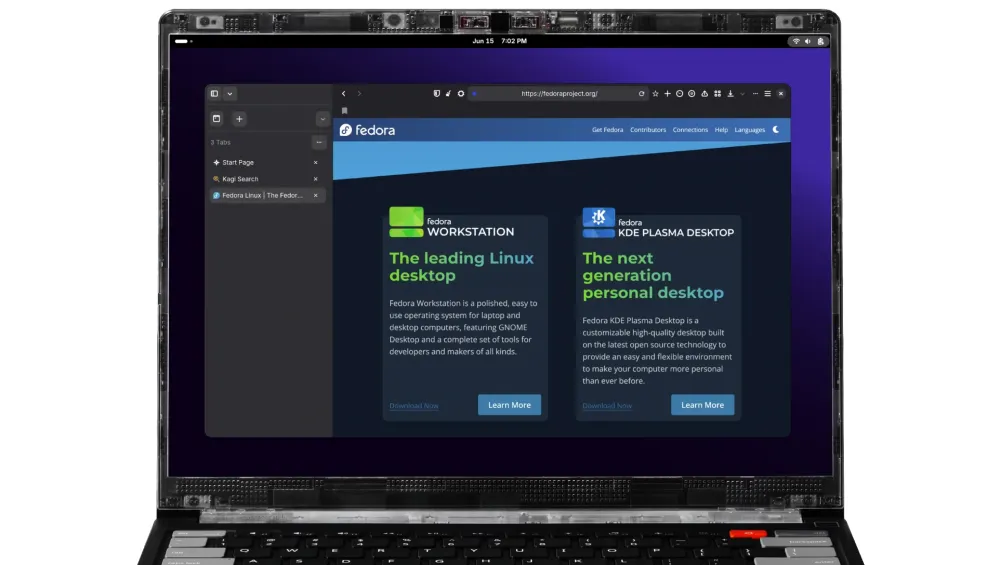
The situation is just as sudden on Linux, where early testers had been following along with every experimental step. We previously tested out the Linux beta build when it gained custom buttons and link previews, but updates have now ceased completely. The current build still runs, but Kagi is actively advising people not to rely on it as a primary browser.
Now, coming to why Kagi is ending its Windows and Linux efforts. It all boils down to basic team bandwidth and the steep technical hurdles of browser development. Building a browser is hard enough, but it gets murkier for Kagi since Orion is based on Apple’s WebKit engine, not Chromium. This means Kagi had to adapt WebKit to run on Windows and Linux, both of which require massive upkeep.
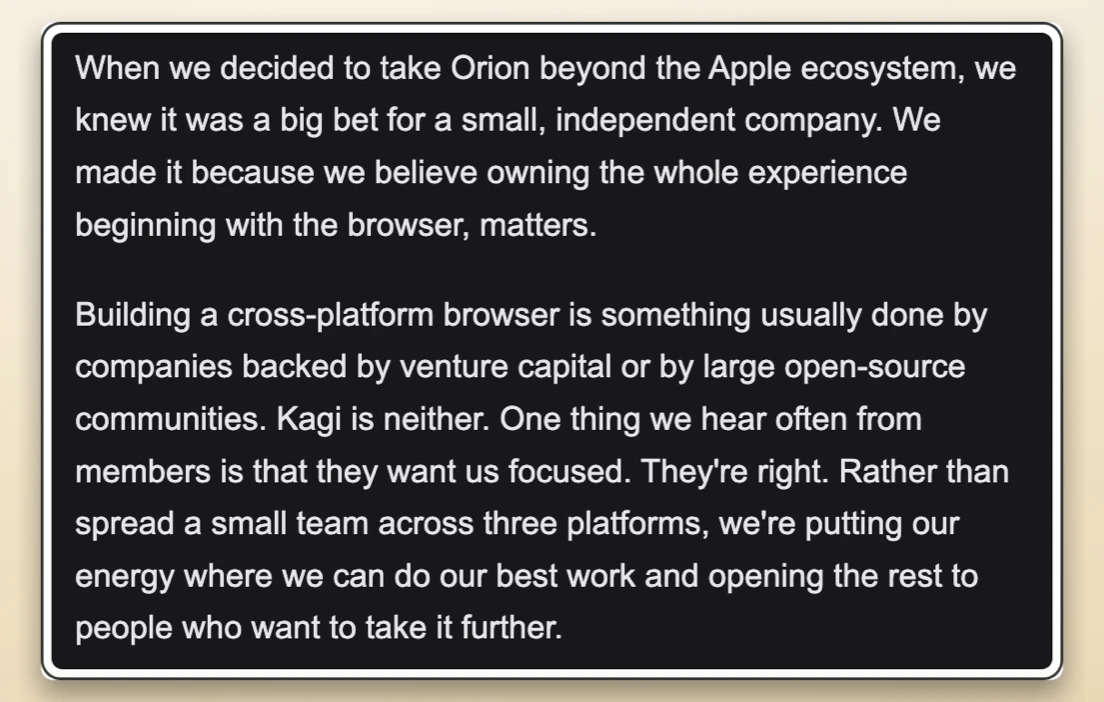
So instead of spreading itself thin, the team wants to put its energy where it can do the best work.
Kagi says the freed-up resources are going back to Apple devices, where Orion got its start. We can expect this to translate into real-world benefits really soon. In fact, the latest Orion update for macOS brought a bunch of fixes and improvements. With the company’s undivided attention now on Mac and iOS, it’s almost guaranteed we’ll see more updates like this go live frequently.
Kagi plans to share the full open-source release within thirty days. While the team is reaching out to open source foundations for long-term stewardship, they made it clear that they will not remain core maintainers.
Crux of the article in video form:


Dwayne Cubbins
3079 Posts
I cover fast-moving stories across apps, online platforms, and everyday tech — phones, wearables, consoles, and whatever else people are fighting with this week. Bugs, rollouts, scams, policy enforcement, and the occasional internet-culture rabbit hole are all fair game. My goal is simple — make confusing tech news readable. When I'm not working, I'm working out or chilling with my dog. Got a tip? You can find me on X @dcubbins.