





If you’ve been hoping to see Firefox use its Gecko engine on your iPhone, you’ll have to keep waiting. Even though new European rules now allow third-party browser engines, Mozilla says it just isn’t practical for them to build a version of Firefox just for the EU.
In an interview with Ars Technica, Ajit Varma, who leads Firefox at Mozilla, explained why iPhone users outside the EU still have to use WebKit, and why even people in Europe may not get Gecko soon. The extra work Apple’s regional rules require is just too much for a company the size of Mozilla.
“The biggest challenge for us is, we’re not a big tech company,” Varma said. “Forking to build two different versions of iOS, one for markets where this is possible and then for markets where it’s not possible, would mean we would basically have to double the size of our iOS team.”
Because splitting resources would be such a huge burden, Mozilla does not want to create a split version of Firefox. Varma said the company is urging Apple and regulators to agree on one set of global rules, rather than relying on different rules for each region.
This matches what we reported yesterday about Vivaldi. The company pointed out the same problem, saying that keeping two different browser engines running in different regions is nearly impossible for smaller, independent teams.
There are also some tricky practical issues. Varma noted that Apple only allows a browser to show up once in the App Store, which makes it hard to manage user migrations and deliver different versions for different regions.
Aside from the iOS situation, the interview also shared Mozilla’s plans to attract users from Chrome. A key part of this is the new desktop redesign, which launched at the same time as our article about the Firefox 157 update.
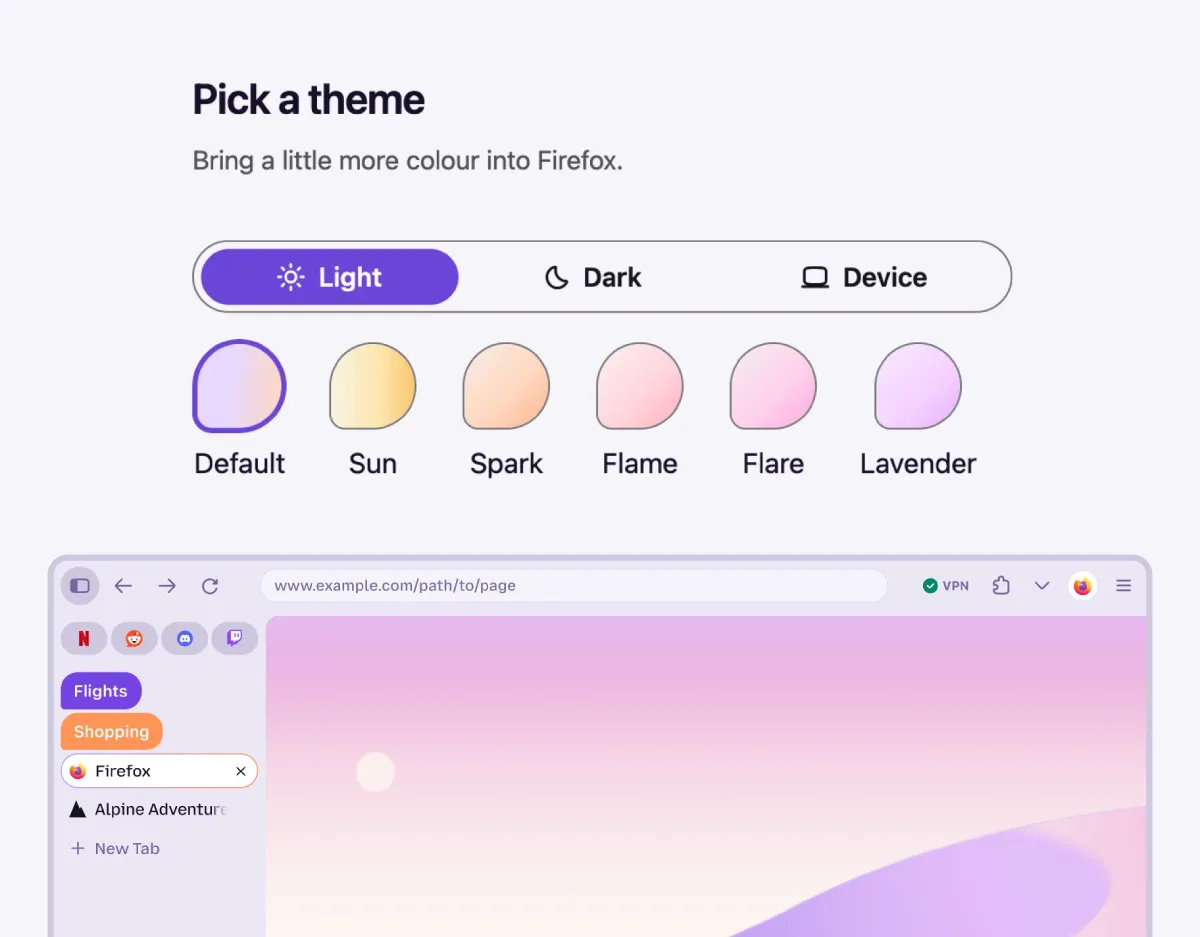
Varma thinks the visual refresh will help Firefox feel modern while breaking through user inertia. Of course, the new Nova look has already split opinions among long-time fans who dislike chunky padding, though we put together a handy guide to disable the Nova UI if you prefer the classic layout.
What may stand out even more than the new design is Mozilla’s approach to features. Varma said that less than 10 percent of their engineering work goes into AI features, while the other 90 percent focuses on improving Gecko’s performance and supporting web standards.
Unlike Edge, which is adding Copilot, or Chrome, which is building in Gemini, Firefox now lets users fully opt out of these features. Varma was also clear about extension support, saying that Google dropped Manifest V2 mainly because of ad blockers, which led many new users to switch to Firefox.
For now, Firefox aims to be a sensible choice in a crowded browser market. But when it comes to challenging Apple’s control over mobile browsers, Mozilla is not willing to spend twice as much money unless Apple changes its rules worldwide.


Dwayne Cubbins
3068 Posts
I cover fast-moving stories across apps, online platforms, and everyday tech — phones, wearables, consoles, and whatever else people are fighting with this week. Bugs, rollouts, scams, policy enforcement, and the occasional internet-culture rabbit hole are all fair game. My goal is simple — make confusing tech news readable. When I'm not working, I'm working out or chilling with my dog. Got a tip? You can find me on X @dcubbins.