After a few years spent tanking search quality, it looks like Google is finally giving back some control to users and even publishers themselves with its fresh batch of personalization features.
I personally criticized Google for crushing independent publishers and promoting generic recommendations and useless AI summaries that bury relevant content. So, it was only right that Google officially admitted its mistakes by introducing a new set of personalization tools.
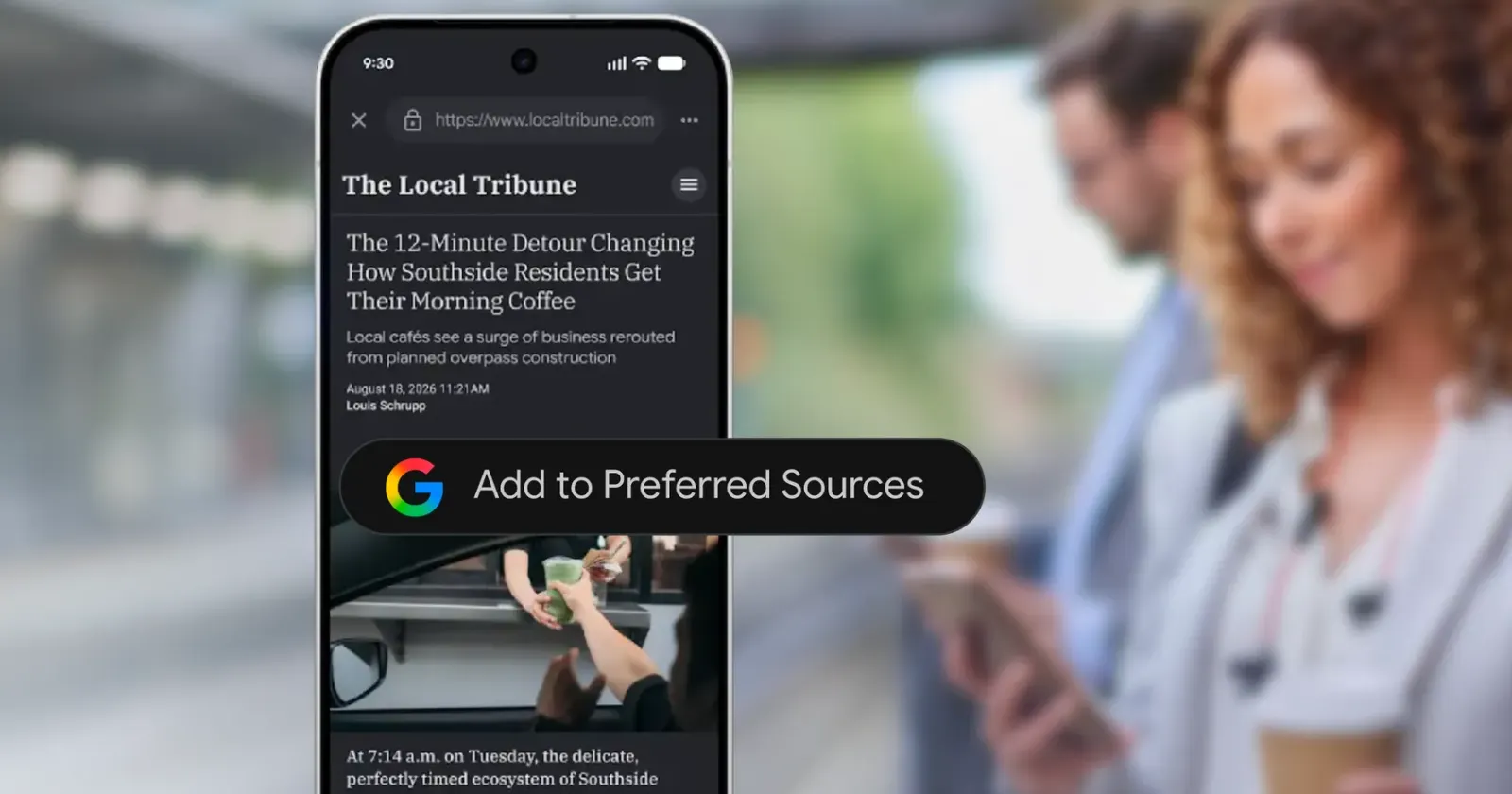
The most notable feature is a new Preferred Source button that publishers can add to their websites. This button, when turned on by a user, marks the domain as a preferred source, thereby increasing the likelihood that their content appears in Top Stories, AI Overviews, and AI Mode.
It’s worth noting that the Preferred Source feature itself isn’t exactly new. It rolled out a few months ago, but the new embed button is what makes the whole experience feel more seamless than before.
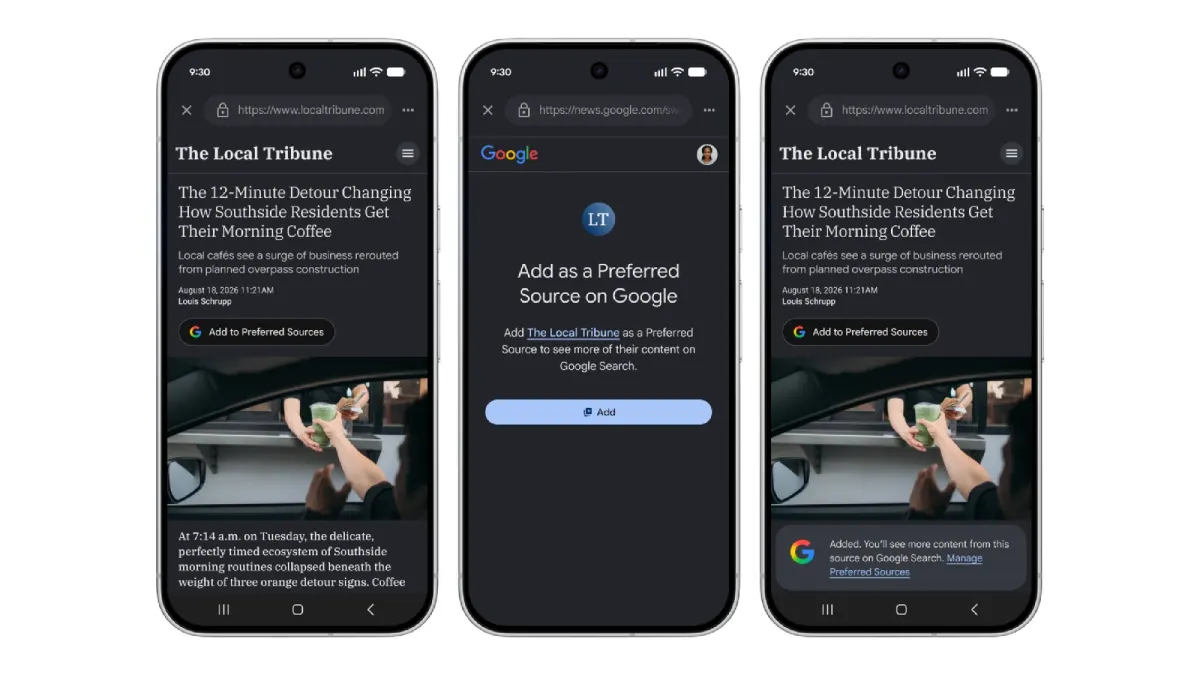
According to Google, more than 600,000 unique domains have already used the new Preferred Sources tool. Google Search Ecosystem General Manager, Mrinalini Loew, revealed that these tools give readers more control while helping publishers connect better with their audiences.
The next set of innovations is part of the Google Discover redesign coming to its mobile application. The Discover feed will include a search bar accessible via the three-dot menu on Android and iOS. This way, it will be easier for users to submit requests in natural language instead of being tracked through vague algorithms.
Google VP Rajan Patel noted that this exact feature is his favorite in a post on X. He shared an example where a user could request to be alerted to “kitchen renovation ideas,” with the option to narrow the results to “eco-friendly” and voilà! The feed keeps track of what the user has asked for and displays the results accordingly.
Want to make Google feel a bit more customized? We’re rolling out new features to help personalize your experience across Search, News and Discover.
My personal favorite: On Discover, you’ll soon be able to tune your feed using simple prompts like “show me kitchen reno ideas,… pic.twitter.com/NbsGFo6xae
— Rajan Patel (@rajanpatel) August 20, 2026
The redesign of the Google Discover feed builds on other significant changes recently made to Google’s search ecosystem. For example, the Google Search AI Mode recently saw the inclusion of app-integrated features that allow users to perform tasks within the search app without exiting to another application. Clearly, Google is doing everything it can to revamp its search offerings.
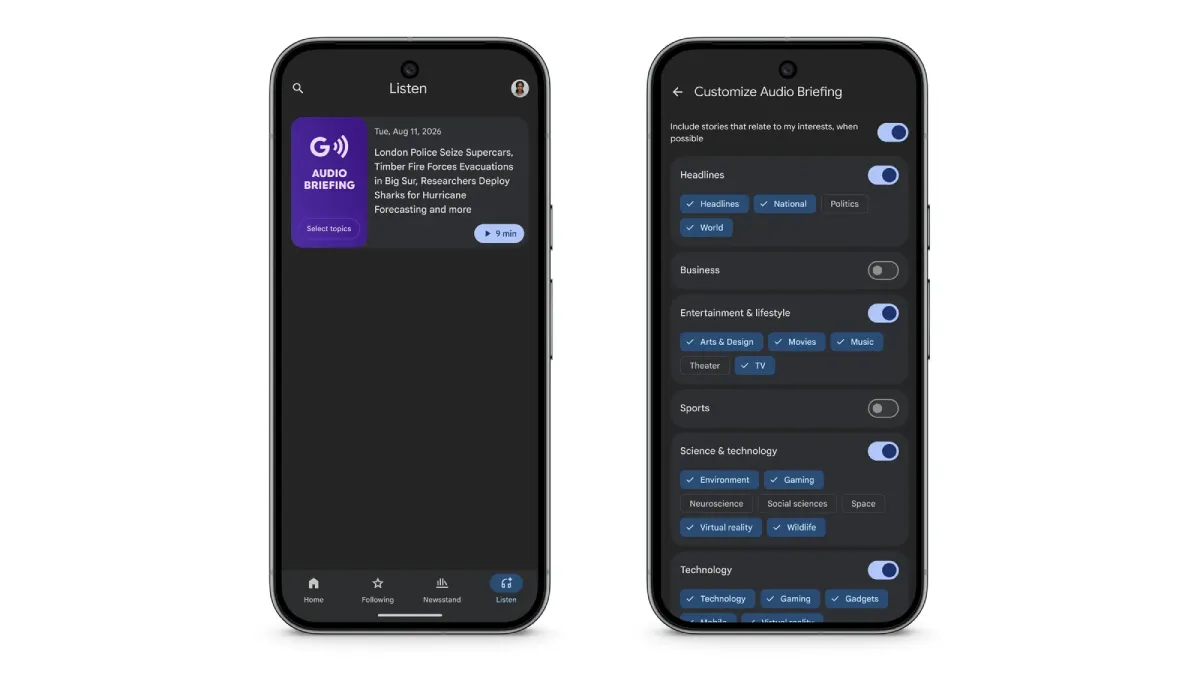
The latest addition to Google’s announcement includes improving the Google News app, now available on Android, allowing users to customize their daily audio news briefings by choosing which topics to follow and providing article linking options when needed.
While it is too early to tell if these manual adjustments to personalized content feeds will improve the overall health of the web, it is undoubtedly satisfying to see Google give users more control over the information they consume.
That being said, if you’re looking to stay on top of all things in the web browser world, you can consider adding PiunikaWeb to your preferred sources list. It gives us more breathing room to focus on quality content instead of being distracted by Google’s never-ending algorithm updates.


Dwayne Cubbins
3132 Posts
I cover fast-moving stories across apps, online platforms, and everyday tech — phones, wearables, consoles, and whatever else people are fighting with this week. Bugs, rollouts, scams, policy enforcement, and the occasional internet-culture rabbit hole are all fair game. My goal is simple — make confusing tech news readable. When I'm not working, I'm working out or chilling with my dog. Got a tip? You can find me on X @dcubbins.
Next article View Article