Google has decided it no longer wants Chrome to borrow the fancy see-through title bar that Windows 11 shows off in apps like File Explorer and Paint. That effect is called Mica, and it works by sampling the color of your desktop wallpaper and washing it lightly over the top of the window.
For a while, it looked like Chrome might finally get the same treatment, but that plan has now been quietly scrapped, and the leftover code is being pulled out of the browser in the next few releases.
The Mica idea had been floating around Chromium since 2023, as pointed out by the folks at Windows Latest. Meanwhile, the flag to switch it on came and went more than once, so this ending has felt like it was coming for a while. It never really settled into anything Google was happy to ship.
If you followed along with our reporting, you’ll remember Chrome engineers couldn’t even agree on which glass effect to use for the window frame, with some pushing for Mica and others arguing that a lighter Acrylic-style effect fit the look they actually wanted. That disagreement seems to have tipped the scales against Mica for good.
The confirmation comes from a code change filed by Google engineer David Pennington, titled “Remove Windows 11 Mica titlebar.” The description says, “This feature’s flag is removed in M151. this CL will remove the rest of the functionality in M153.”
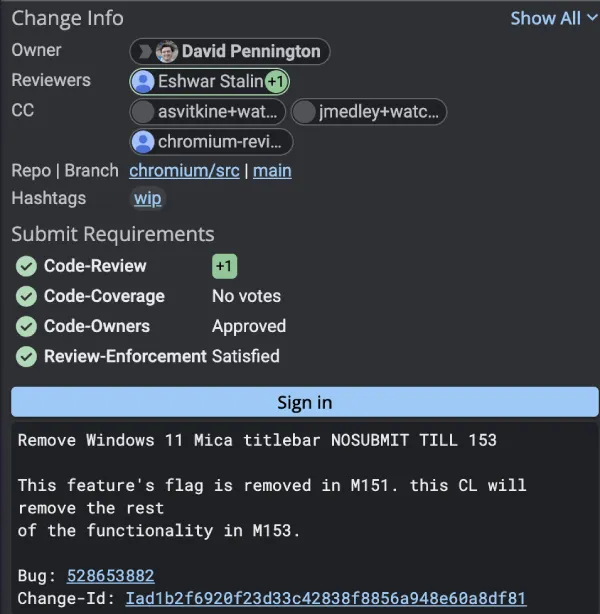
So in short, the switch that let you turn Mica on is already gone in one release, and the actual guts of the feature get deleted a couple of versions later. The change strips out hundreds of lines of code across nearly twenty files, which is a pretty clear sign nobody plans to bring it back.
But that’s not even the most interesting bit here. It looks like Microsoft itself doesn’t care about its own design language anymore. Edge has dropped most of its Fluent Design touches in favor of a newer Copilot-inspired style, so Chrome copying Windows 11 would have meant chasing a look Microsoft itself is walking away from.
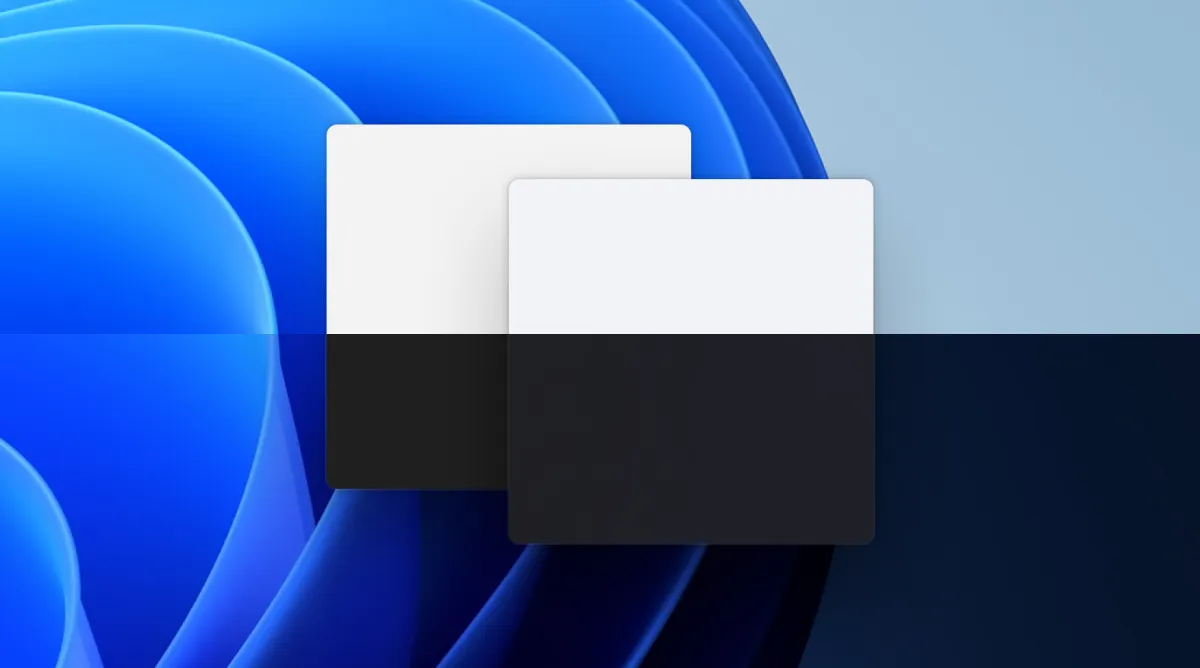
For reference, here’s an example of the Mica effect in light and dark mode:
None of this means Google has given up on making Chrome prettier. The company is still busy refining a glassy Glass Frame effect, complete with transparent tabs and a battery-saver fallback. The catch for Windows fans is that all of that work is aimed at macOS. So the shiny window is happening, just not on the platform where Mica came from.


Dwayne Cubbins
3088 Posts
I cover fast-moving stories across apps, online platforms, and everyday tech — phones, wearables, consoles, and whatever else people are fighting with this week. Bugs, rollouts, scams, policy enforcement, and the occasional internet-culture rabbit hole are all fair game. My goal is simple — make confusing tech news readable. When I'm not working, I'm working out or chilling with my dog. Got a tip? You can find me on X @dcubbins.
Next article View Article