Google has added support for Global Privacy Control to Chrome Canary. Basically, the browser can send a signal telling participating websites that users do not want their personal information sold or shared.
This was first spotted by the folks at Windows Report. In their testing, Chrome Canary sent the “Sec-GPC: 1” request (signal), and the official Global Privacy Control test page detected the signal.
The change was likely added in a recent Chromium update. The original source also mentions a commit; its description states: “Adding Sec-GPC header to requests when corresponding setting is enabled…”
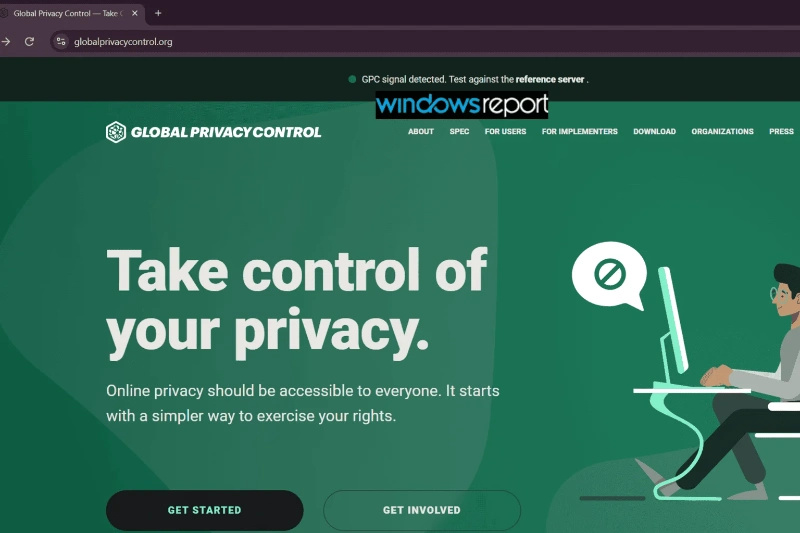
For those unaware, GPC is a simple privacy switch in your browser (extensions already exist if your browser doesn’t have it natively). When you turn it on, your browser automatically tells the websites you visit that you don’t want to sell/share your personal info. You don’t have to set “Do not share my data” on every single website. You just have to set it once, and it works across many sites.
Unlike the older Do Not Track signal, GPC actually has legal recognition in some regions, including California, where businesses may be required to respect it by law.
I’ve checked for flags using keywords on Chrome Canary. However, “GPC,” “Global Privacy Control,” etc do not return any results, so I assume it isn’t available for everyone in all regions yet, even on the latest version of Canary.
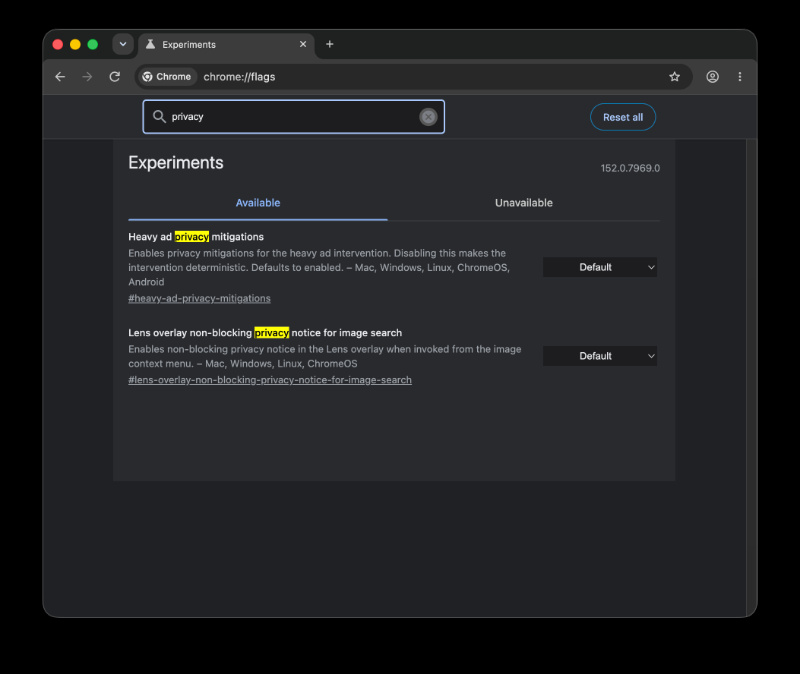
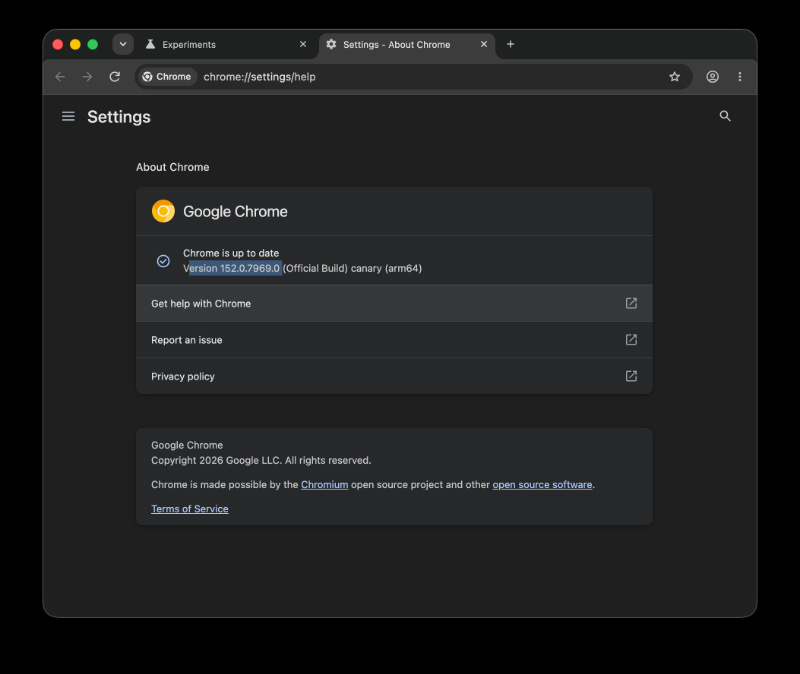
If you’re interested in trying this out, you’ll have to install Chrome Canary. The latest version at the time of writing is v152.0.7969.0. It’s currently unavailable on Chrome stable, and since it hasn’t even entered the beta version, it could take a while.
It’s worth noting that Chrome isn’t the first one to adopt this feature. Others such as Brave and Firefox already support GPC.
It appears that the privacy/security scene for browsers is improving a lot recently. If you’re interested in reading further about another important topic, browser fingerprinting and its myths, we covered that here.
It’s not just Chrome’s desktop version getting changes either; the iOS version is testing Gemini support for multiple tabs. For Android, Chrome apparently scrolls 48% faster now. More on that here.


Sudhanshu K
301 Posts
I have been a consumer technology enthusiast for over 5 years. Thanks to my experience in software beta testing and product reviews, I've understood and learnt a lot about what bugs and issues bother people, and I spend time trying to simplify their solutions. I cover smartphones, software, social media, apps, AI, and most consumer tech gadgets. Actively pursuing a Computer Science bachelor’s degree. I'm mostly active on Twitter/X (@TechWhirlUlt), drop a DM or tag me if you want to share info or connect!
Next article View Article