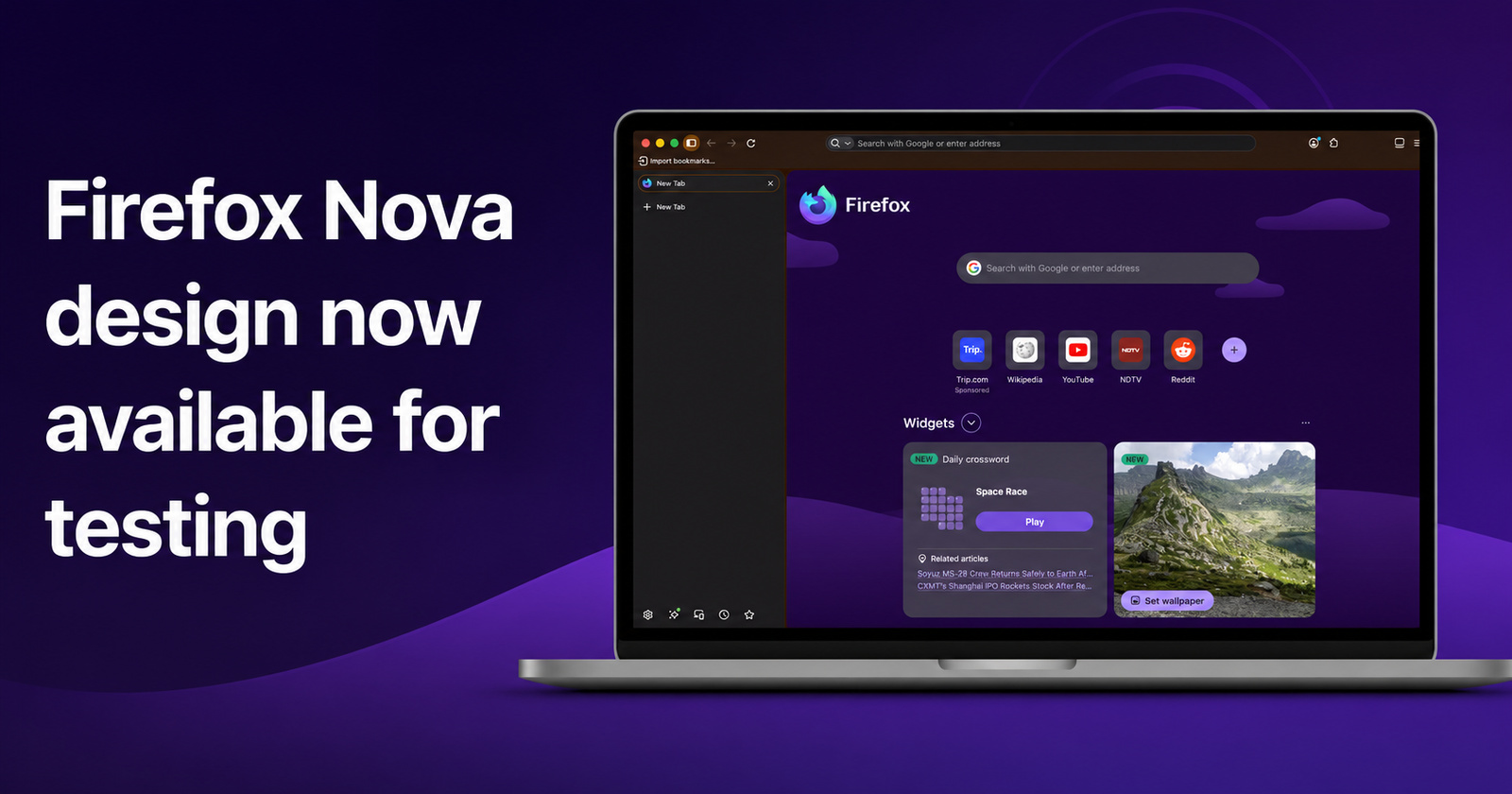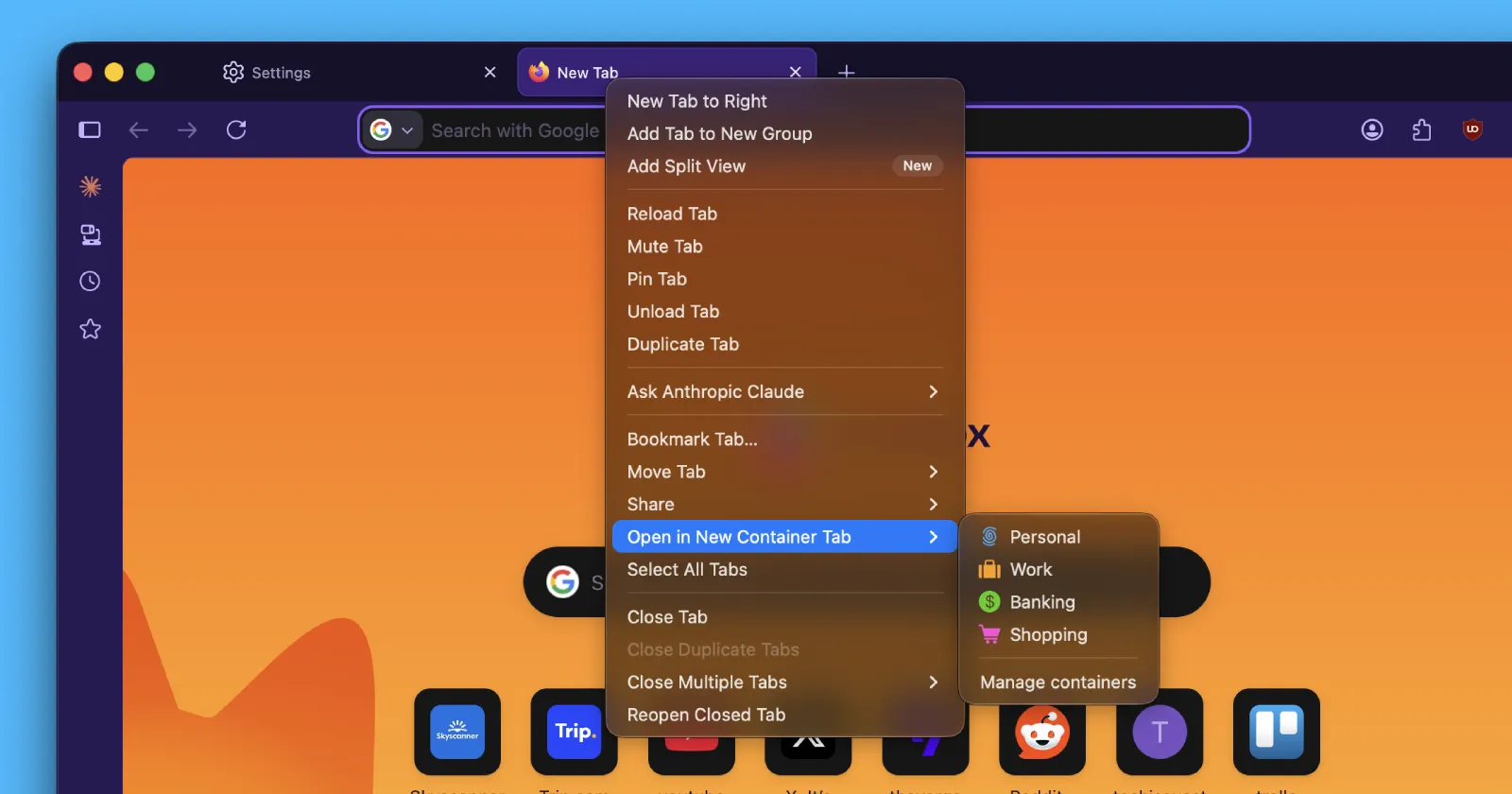
Firefox 153 finally brings Containers into the browser itself, but Mozilla says one important piece is still missing. If you depend on the more advanced features, you shouldn’t uninstall the Multi-Account Containers extension just yet.
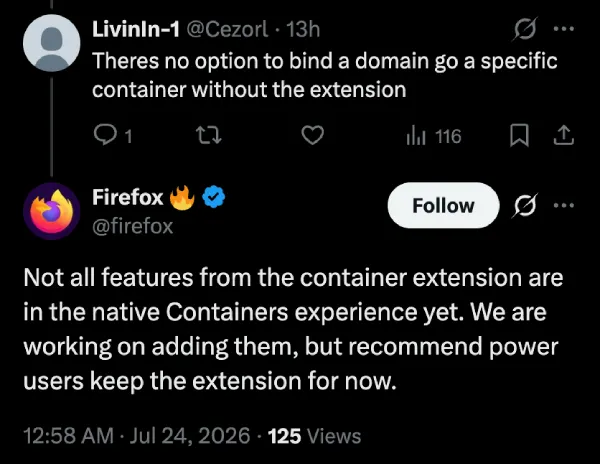
That became clear after Mozilla announced Firefox 153, which introduced native Containers on desktop. Soon after, someone on X pointed out that the built-in version still can’t automatically open specific websites in assigned containers, something the extension has supported for years.
For plenty of Firefox users, that’s the feature that makes Containers so useful. You can have work sites always open in one container, personal accounts in another, and keep shopping or social media isolated without thinking about it.
Replying from the official Firefox account, the company acknowledged the gap, saying, “Not all features from the container extension are in the native Containers experience yet. We are working on adding them, but recommend power users keep the extension for now.”
So there’s no two ways about it. Native Containers are here, but Mozilla still has some work on its hands for feature parity with the extension
If you’ve never used Containers before, they’re essentially separate browsing spaces inside Firefox. Each container stores its own cookies and login sessions, making it easy to stay signed into multiple accounts on the same website while also limiting some of the tracking that happens across the web. Until now, you needed Mozilla’s Multi-Account Containers extension to get that functionality. Firefox 153 is the first release where the feature is built directly into the browser.
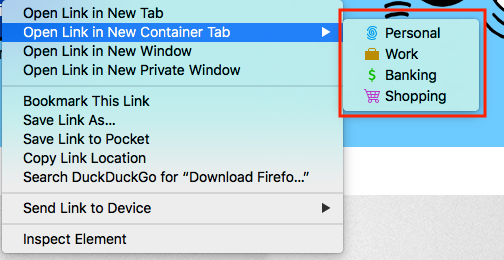
Bringing Containers into Firefox itself should make the feature much easier for new users to discover. It also means Mozilla can develop it as part of the browser instead of relying on an add-on. That doesn’t mean the extension is obsolete, though. At least for now, both can happily coexist.
That said, Firefox 153 broke a popular workaround for accessing hidden settings on Android while also bringing a much-needed graphics upgrade for Linux users.
So if all you need is basic separation between accounts, the built-in Containers feature should do the job. But if your workflow depends on automatically opening certain websites in dedicated containers, Mozilla’s own advice is to leave the extension installed until those missing features make their way into Firefox.


Dwayne Cubbins
3060 Posts
I cover fast-moving stories across apps, online platforms, and everyday tech — phones, wearables, consoles, and whatever else people are fighting with this week. Bugs, rollouts, scams, policy enforcement, and the occasional internet-culture rabbit hole are all fair game. My goal is simple — make confusing tech news readable. When I'm not working, I'm working out or chilling with my dog. Got a tip? You can find me on X @dcubbins.
Next article View Article