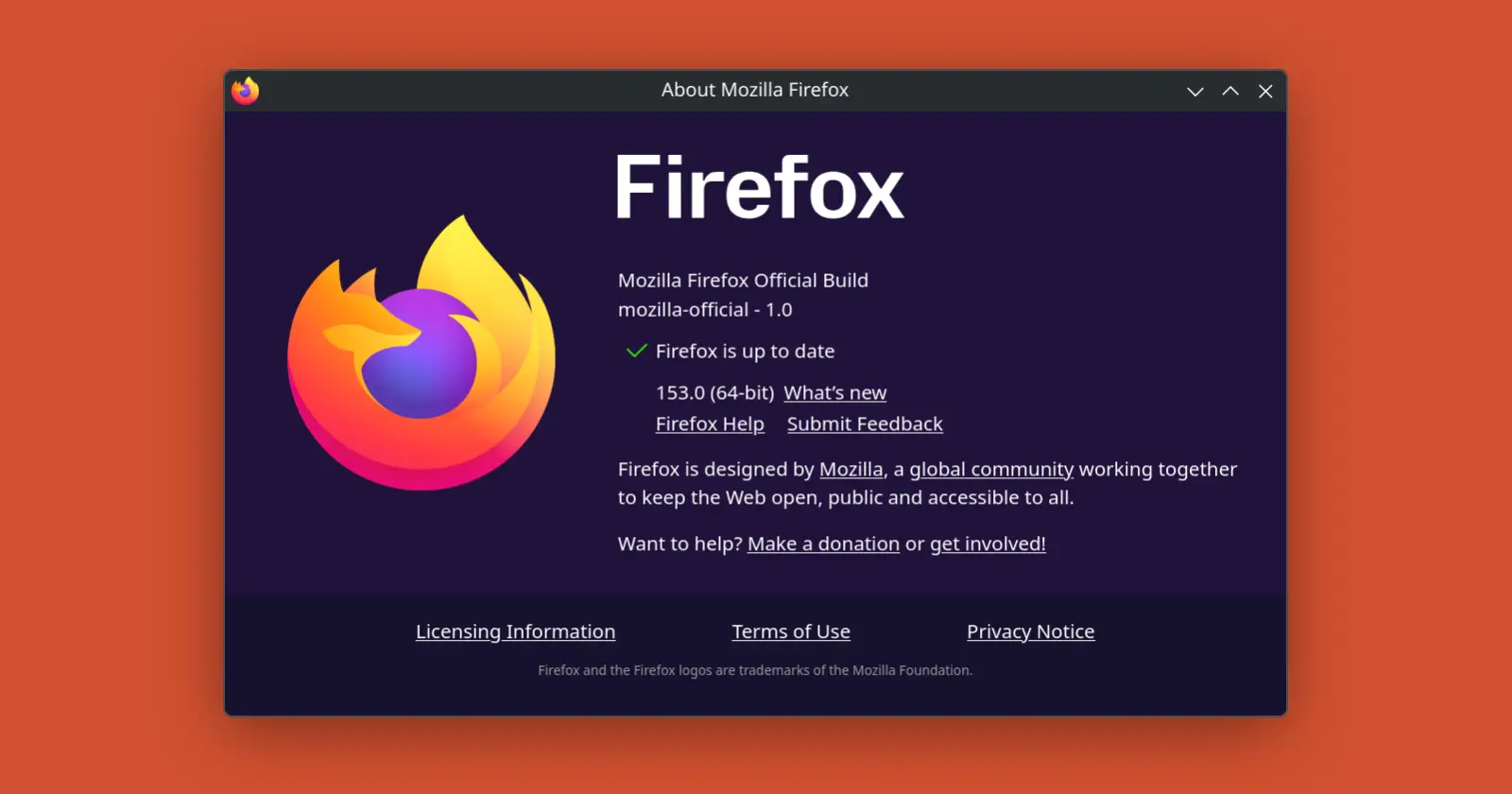
Mozilla has made Firefox 153 available for download, and while most of the spotlight has been on new PDF tools and HDR video support, there’s another change tucked away in this release that Linux users have been waiting for.
Firefox 153 brings initial support for Vulkan Video decoding, marking one of the browser’s biggest graphics-related upgrades on Linux in quite some time.
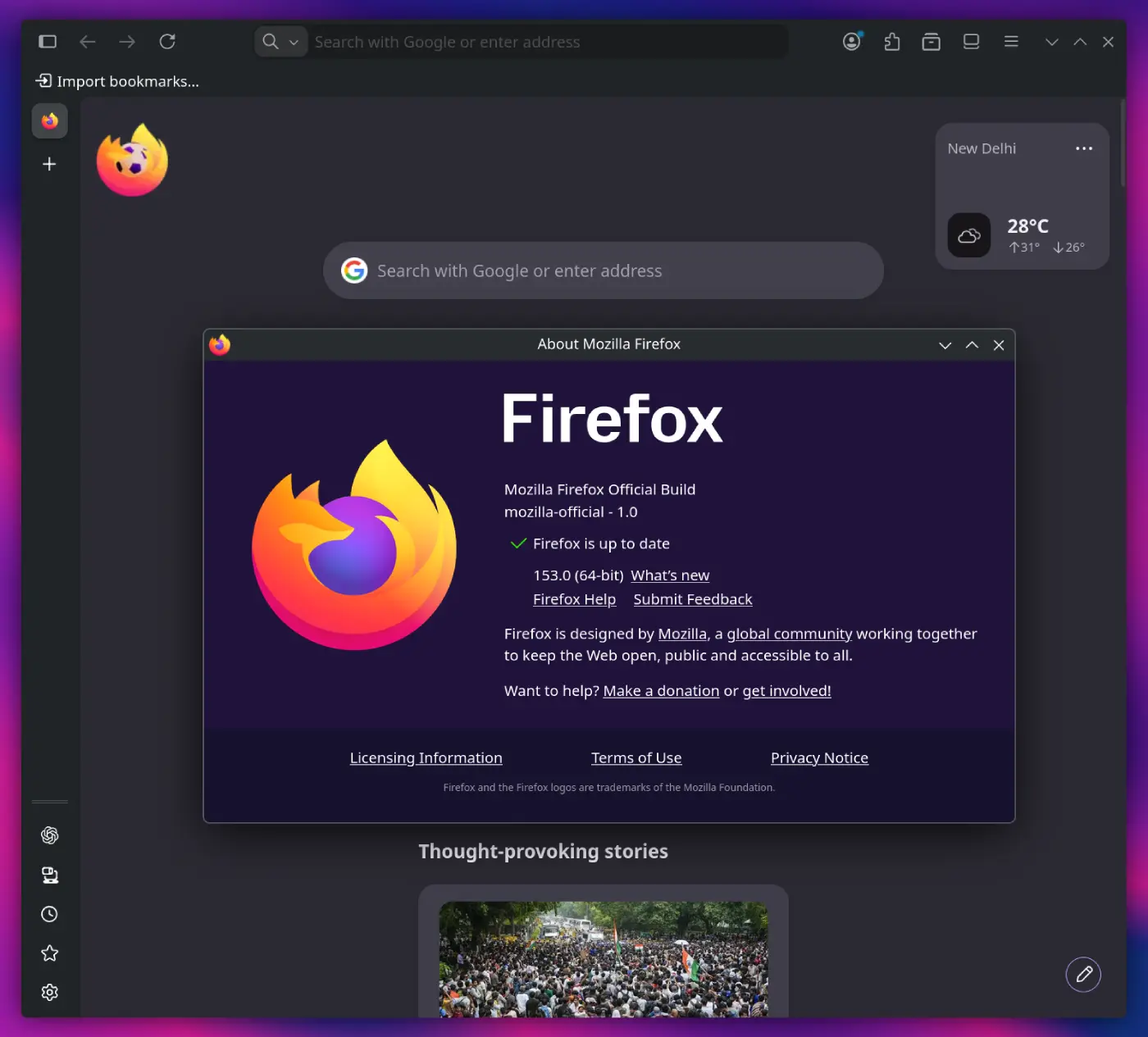
This isn’t exactly a surprise if you’ve been following Firefox development. Earlier this month, we reported that Mozilla had landed Vulkan Video support for Firefox 153 while the feature was still making its way through development. Now that Firefox 153 has reached stable, that work has finally made it into a public release.
Until now, Firefox on Linux has mostly relied on VA-API for hardware-accelerated video decoding. That works well on plenty of Intel and AMD systems, but NVIDIA users have often had to rely on unofficial workarounds to get the same experience. Vulkan Video offers a more modern, cross-vendor approach that isn’t tied to a single hardware ecosystem.
Phoronix was the first to point out that the feature is included in Firefox 153, even though Mozilla has yet to share the official stable release notes. The publication notes that Firefox now has “initial Vulkan Video decode support” alongside its existing video acceleration options.
Firefox 153 isn’t only about Linux, though. The update also expands the browser’s built-in PDF editor with the ability to merge multiple PDF files and insert images directly into documents. Windows users are also getting HDR video playback support, which first appeared during the beta cycle. We covered those additions when Firefox 153 Beta launched last month, along with Mozilla’s early preview of its upcoming Nova redesign.
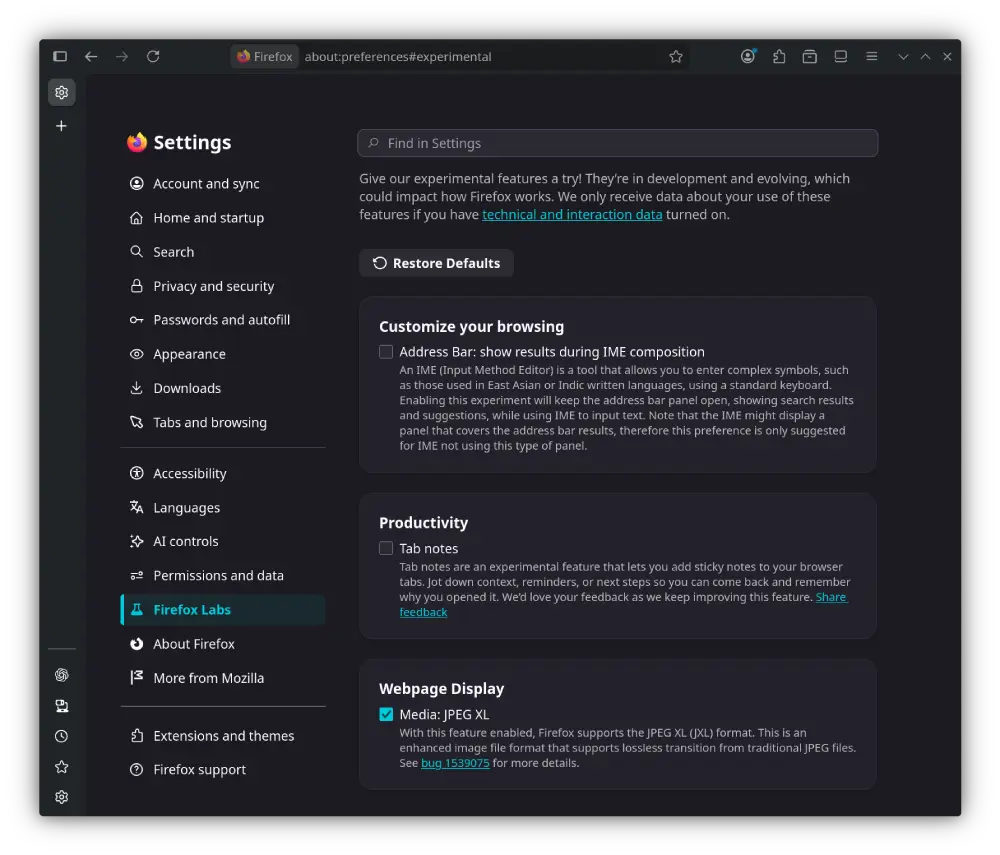
The release also continues Mozilla’s work on JPEG XL. Experimental support for the image format is available through Firefox Labs, letting interested users try it before it becomes a standard feature.
Vulkan Video support probably won’t convince someone to switch browsers overnight. Most people may never even realize it’s there. Still, for Linux users, especially those with NVIDIA hardware, it’s a meaningful step toward better hardware-accelerated video playback.


Dwayne Cubbins
3078 Posts
I cover fast-moving stories across apps, online platforms, and everyday tech — phones, wearables, consoles, and whatever else people are fighting with this week. Bugs, rollouts, scams, policy enforcement, and the occasional internet-culture rabbit hole are all fair game. My goal is simple — make confusing tech news readable. When I'm not working, I'm working out or chilling with my dog. Got a tip? You can find me on X @dcubbins.
Next article View Article