Firefox v153 will add Vulkan video decoding support when it ships in July. Linux users on NVIDIA hardware can finally drop the extra driver they have used for years just to get hardware accelerated video.
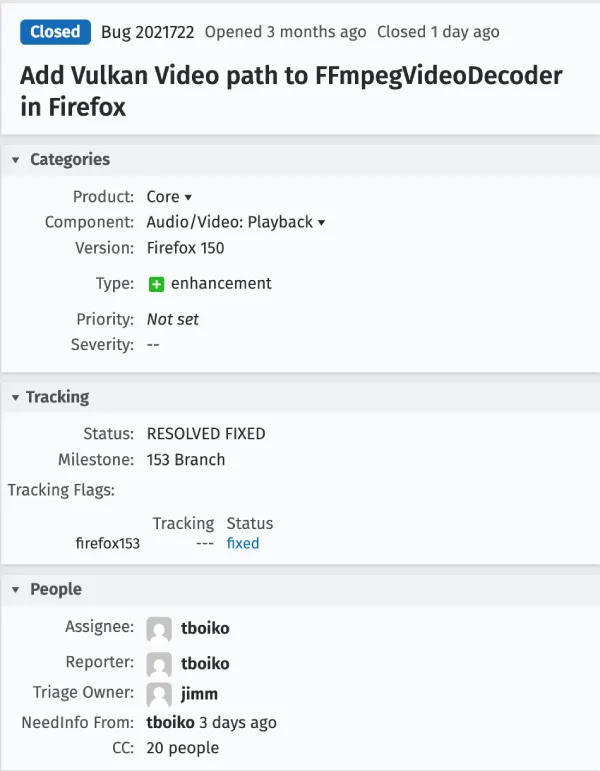
Mozilla will merge the patches into the release, as first spotted by Phoronix. NVIDIA engineer Tymur Boiko wrote most of the core changes. Martin Stransky, a Red Hat developer, reviewed and approved the work in the media and graphics layers. The main bug tracking thread closed yesterday after everything passed the final tests.
For years Firefox has relied on VA-API for GPU video decoding on Linux. NVIDIA cards never had direct support, so users installed a community driver to make it work. That workaround often broke after driver or browser updates and left people with high CPU usage during playback.
The Vulkan path will cut through those problems since it lets the browser talk straight to the GPU through a modern API that current drivers already handle well. FFmpeg will manage decoding with the Vulkan extensions enabled, and the same code should finally bring proper hardware acceleration to Arm Linux devices that never had strong VA-API support.
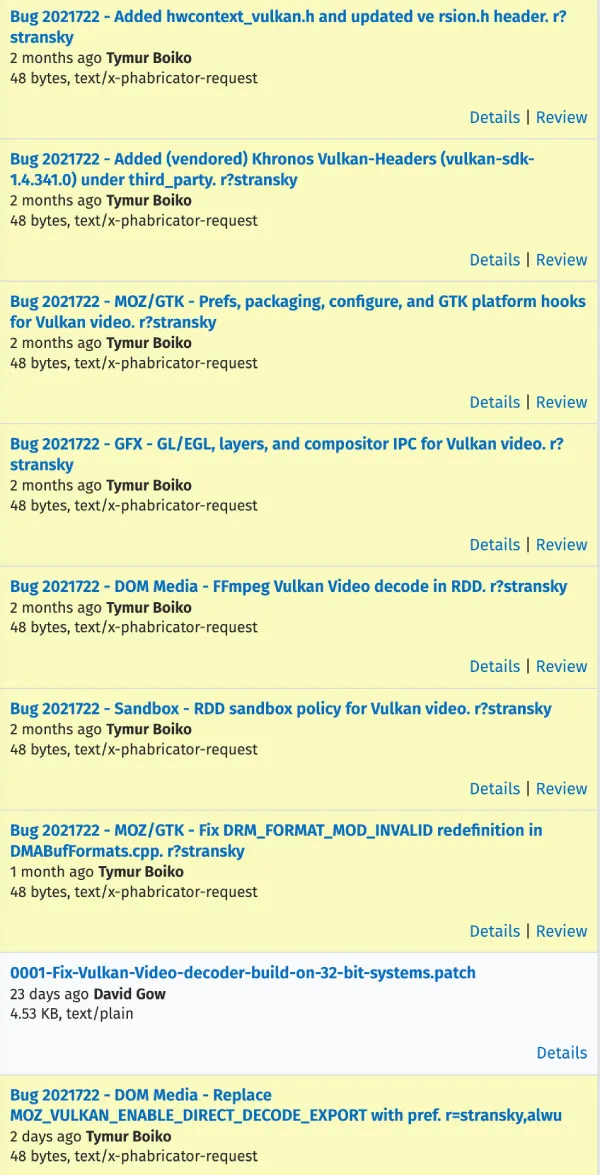
Developers split the feature into smaller patches over three months so reviews stayed manageable. One covered preferences and build settings. Another handled how decoded frames reach the compositor. The decoder logic and sandbox rules landed in separate pieces. A few backouts hit during testing, but the team fixed each issue and kept pushing the changes through.
Nightly users can already try the new decoder on recent builds. Firefox v153.0 is expected on July 21 if nothing unexpected holds back the release. Once the stable version arrives, the hardware decoding setting will include the Vulkan option for supported systems.
With this, NVIDIA users will be able to remove the workaround driver after updating and let the browser handle decoding directly. This kind of native improvement lines up with Mozilla’s work on built-in ad blocking too, which we covered here.
Videos on YouTube, streaming services, and social media should feel smoother with lower CPU load, especially on laptops. Intel and AMD users will also get a more reliable hardware path that does not depend on the older VA-API approach.
Featured image generated with AI


Dwayne Cubbins
3055 Posts
I cover fast-moving stories across apps, online platforms, and everyday tech — phones, wearables, consoles, and whatever else people are fighting with this week. Bugs, rollouts, scams, policy enforcement, and the occasional internet-culture rabbit hole are all fair game. My goal is simple — make confusing tech news readable. When I'm not working, I'm working out or chilling with my dog. Got a tip? You can find me on X @dcubbins.
Next article View Article