Keith, a Product Manager at Brave, has publicly taken aim at Vivaldi, describing it as “terrible” and pointing to everything from browser fingerprinting to its closed-source components to support his argument.
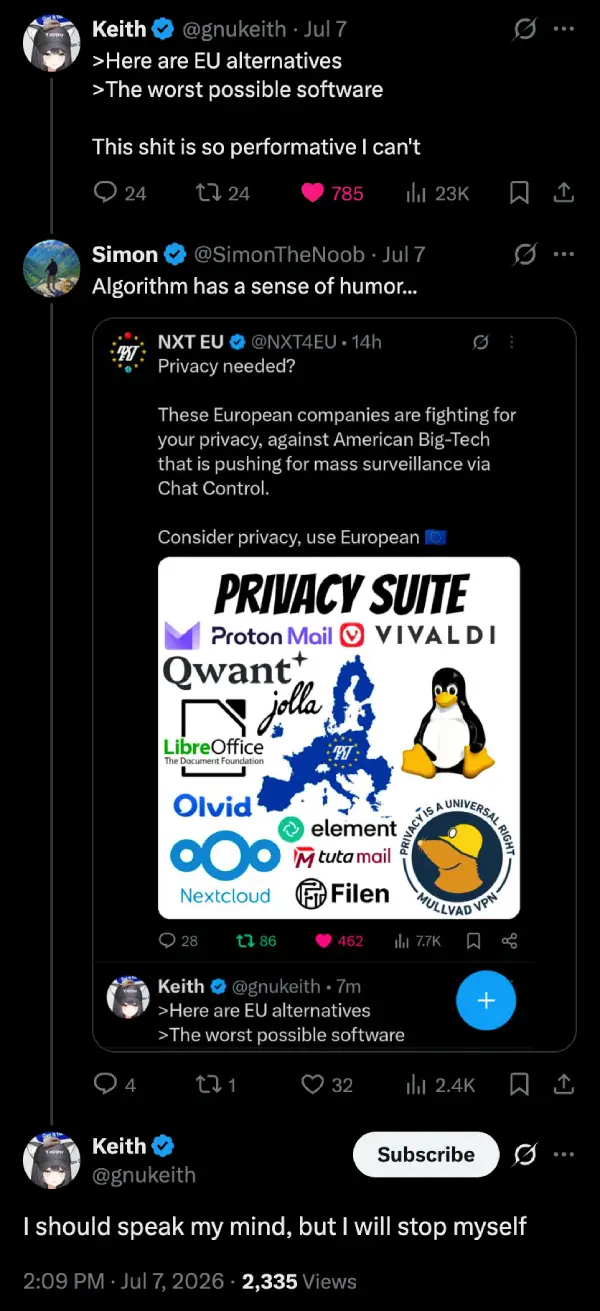
The comments appeared on X after Keith himself dunked on European software alternatives. He dismissed EU-based software as “the worst possible software,” then expanded on his views after someone in the comments challenged him for criticizing alternative privacy-focused software while working at Brave.
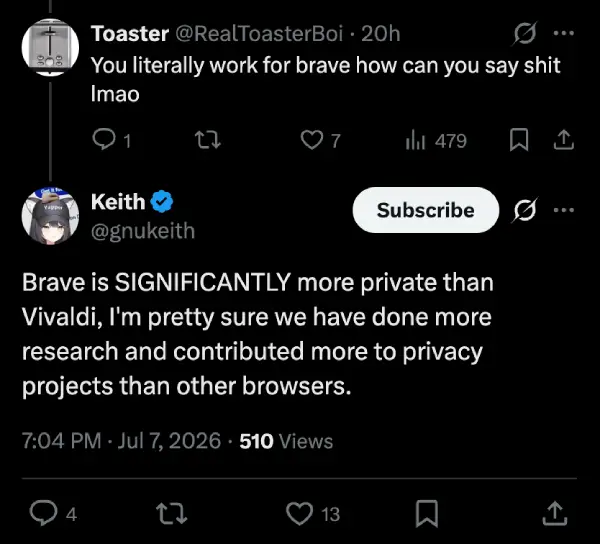
He replied that Brave is “SIGNIFICANTLY more private than Vivaldi” and said the company has contributed more to privacy research and projects than many other browser makers.
In fact, we recently highlighted one such report from Brave on how local AI tools aren’t as secure as you might think. You can read more about here.
He then went on to post a thread outlining what he sees as Vivaldi’s biggest shortcomings.
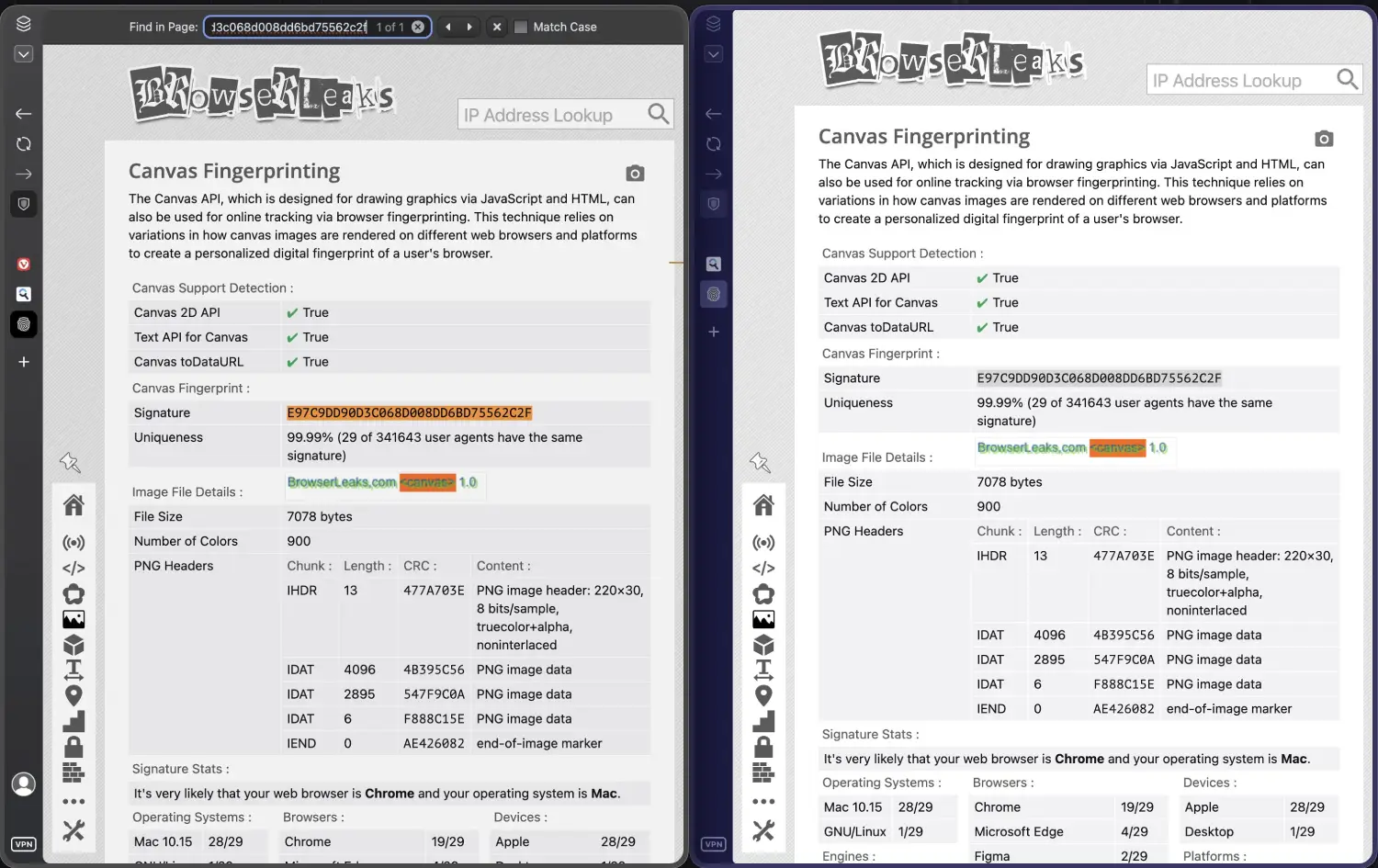
The first example centered on browser fingerprinting. Keith shared BrowserLeaks screenshots comparing Brave and Vivaldi. In his tests, Vivaldi produced a canvas fingerprint that BrowserLeaks identified as matching Chrome on macOS. His argument was that this makes the browser easier to fingerprint than Brave, which is something privacy-focused browsers generally try to avoid.
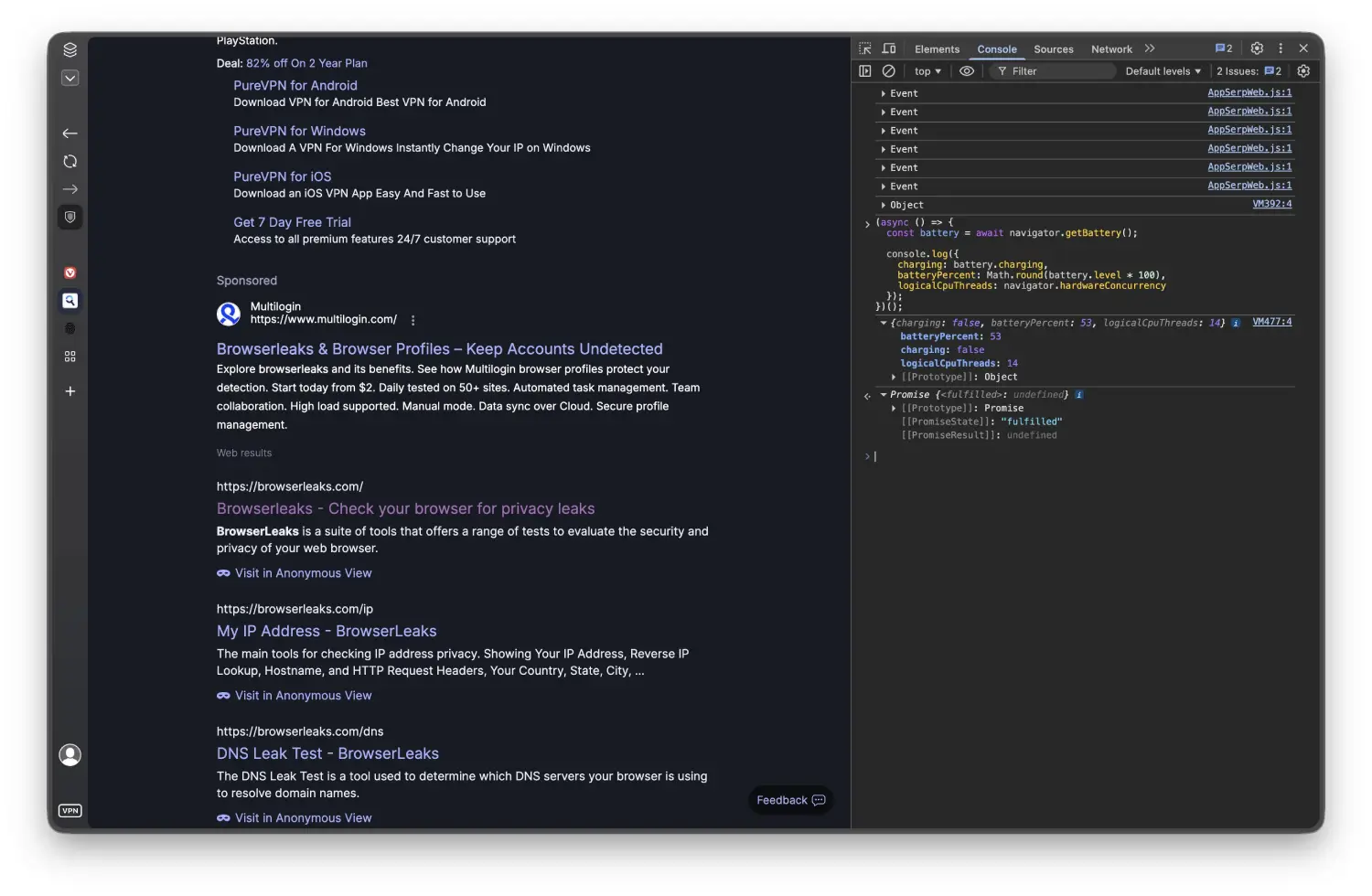
Another screenshot focused on browser APIs. Keith demonstrated that websites could read information such as battery level and the number of CPU threads through JavaScript. Those aren’t new browser capabilities, and Chromium browsers have exposed similar data for years, but Keith argued that limiting access wherever possible gives trackers less information to work with.
He then linked to Vivaldi’s own blog explaining why parts of the browser are proprietary instead of fully open source. Keith argued that people looking for a completely open-source browser should keep that in mind. He also claimed Vivaldi’s built-in ad and tracker blocker doesn’t measure up to Brave’s.
This is interesting since both Brave and Vivaldi often end up attracting the same type of users. Both position themselves as privacy-focused alternatives to Chrome, yet they don’t always agree on what that should look like.
AI is one example. Vivaldi has repeatedly defended its decision to avoid building AI directly into the browser. Last month, the company even reaffirmed its “Browse without AI” message as competitors continued rolling out AI features. Brave has gone in the opposite direction by adding AI features such as Leo, while keeping them optional for users who don’t want them.
Meanwhile, Brave also recently announced that it had grown to nearly 121 million monthly active users, another sign that its privacy-first pitch continues to resonate with users.
For now, the screenshots and posts remain Keith’s personal criticism of Vivaldi. The company has not publicly responded to his comments.


Dwayne Cubbins
3068 Posts
I cover fast-moving stories across apps, online platforms, and everyday tech — phones, wearables, consoles, and whatever else people are fighting with this week. Bugs, rollouts, scams, policy enforcement, and the occasional internet-culture rabbit hole are all fair game. My goal is simple — make confusing tech news readable. When I'm not working, I'm working out or chilling with my dog. Got a tip? You can find me on X @dcubbins.
Next article View Article