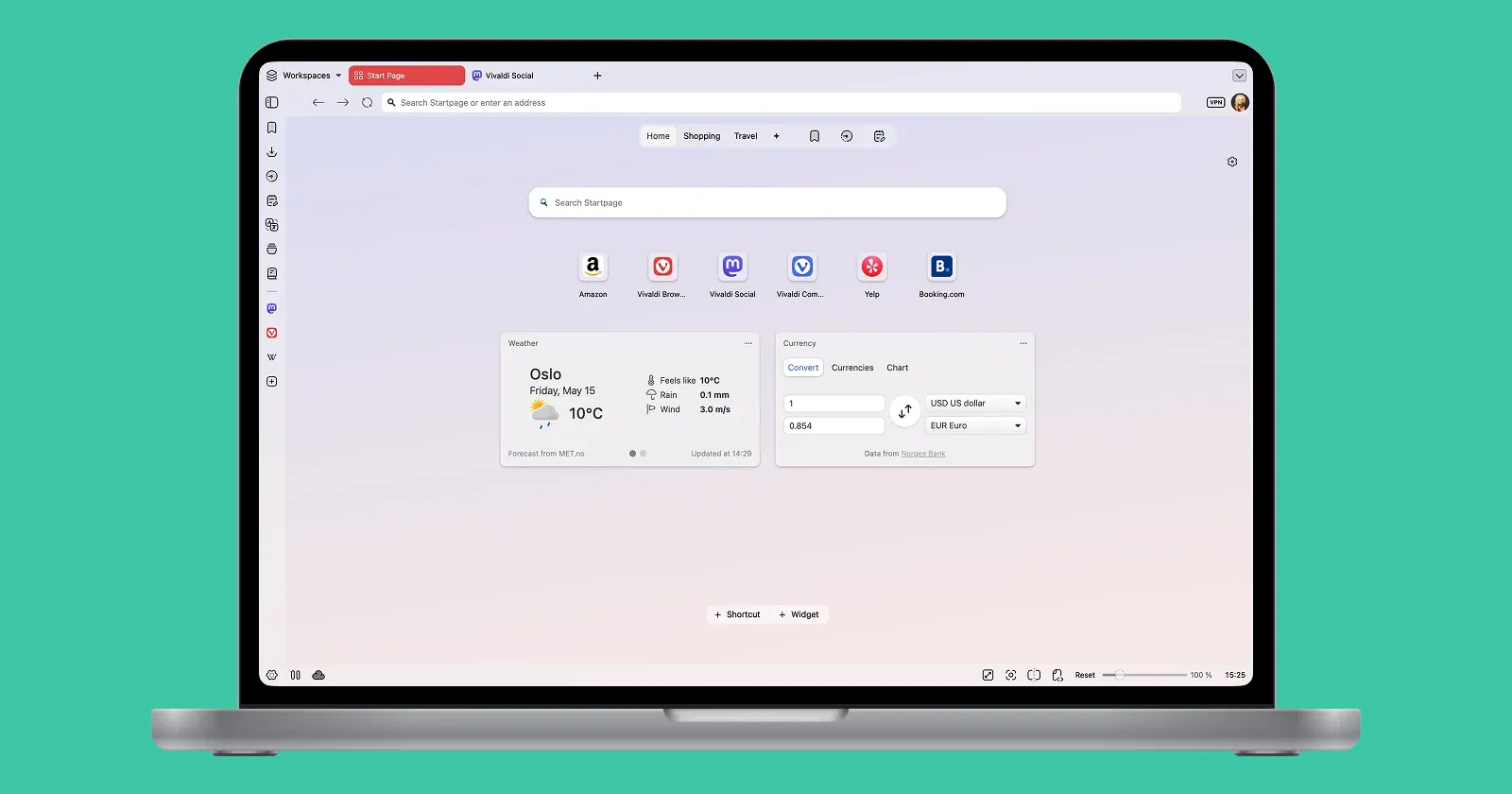
The anti-AI browsing train is picking up some serious steam following Google’s recent I/O event, where it pretty much confirmed that the future of Search is AI. Add the integration of Gemini in Chrome, and you can see why a large portion of users want out. And that’s what the likes of DuckDuckGo and Vivaldi are betting on.
Vivaldi says it has not changed its mind about keeping AI out of its browser, reaffirming its stance as user interest in AI-free alternatives spikes.
The company posted “We have not changed our minds” on X a couple of days ago, alongside an image of its “Browse without AI” manifesto. The statement comes right as DuckDuckGo reports a 30% jump in US installs and a tripling of traffic to its no-AI search page following Google’s AI overhaul of Search.
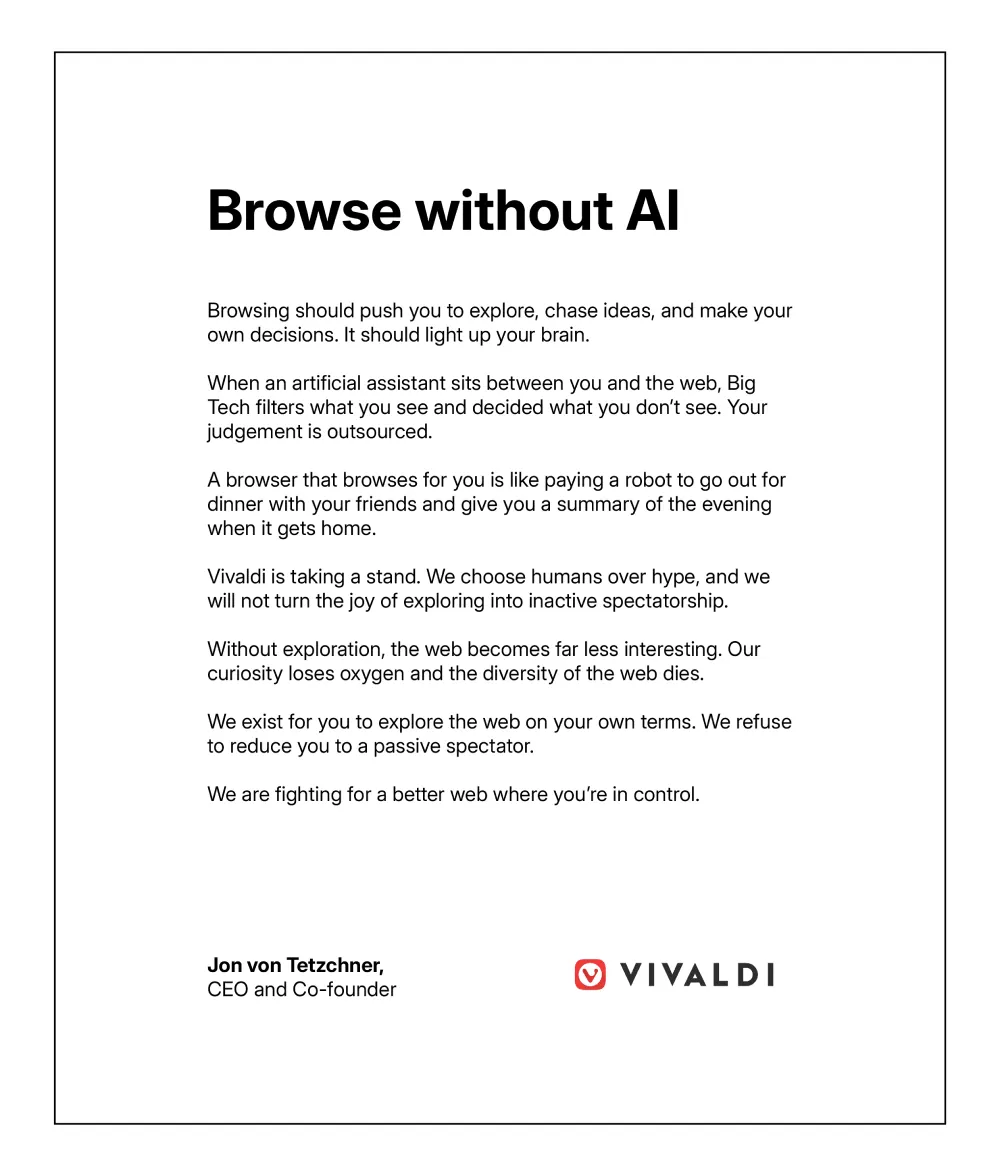
Vivaldi’s manifesto, signed by CEO Jon von Tetzchner, argues that an artificial assistant sitting between a user and the web means “Big Tech filters what you see and decided what you don’t see”. The company first published the letter in August 2025, calling automated browsing the equivalent of paying a robot to go to dinner with your friends and give you a summary later.
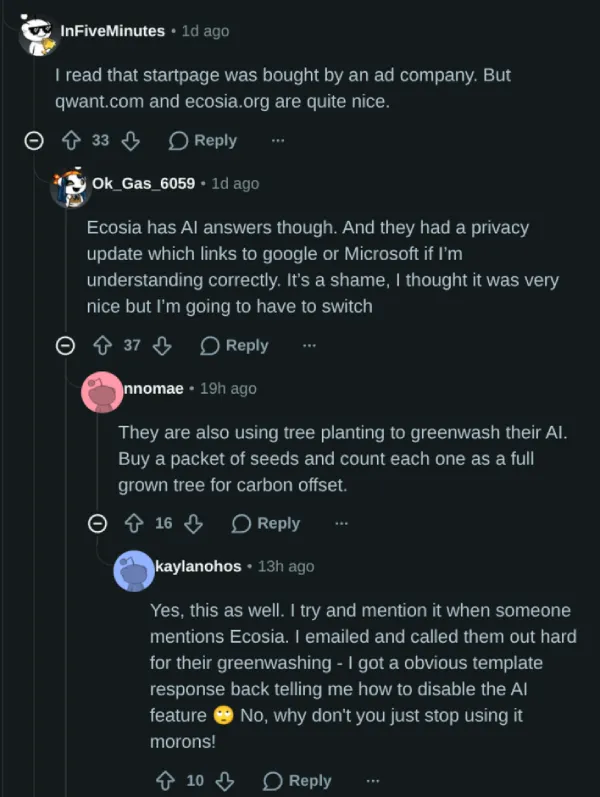
The messaging aligns closely with the backlash driving DuckDuckGo’s current growth. Users on r/degoogle immediately linked Vivaldi’s post to the broader push for non-AI options, though discussions quickly turned to the messy state of the alternatives.
One user noted Vivaldi has maintained this policy for a while. Others debated the merits of Startpage, which some say misses obvious results, and Ecosia, which users criticized for introducing AI answers and allegedly greenwashing the feature with its tree-planting claims.
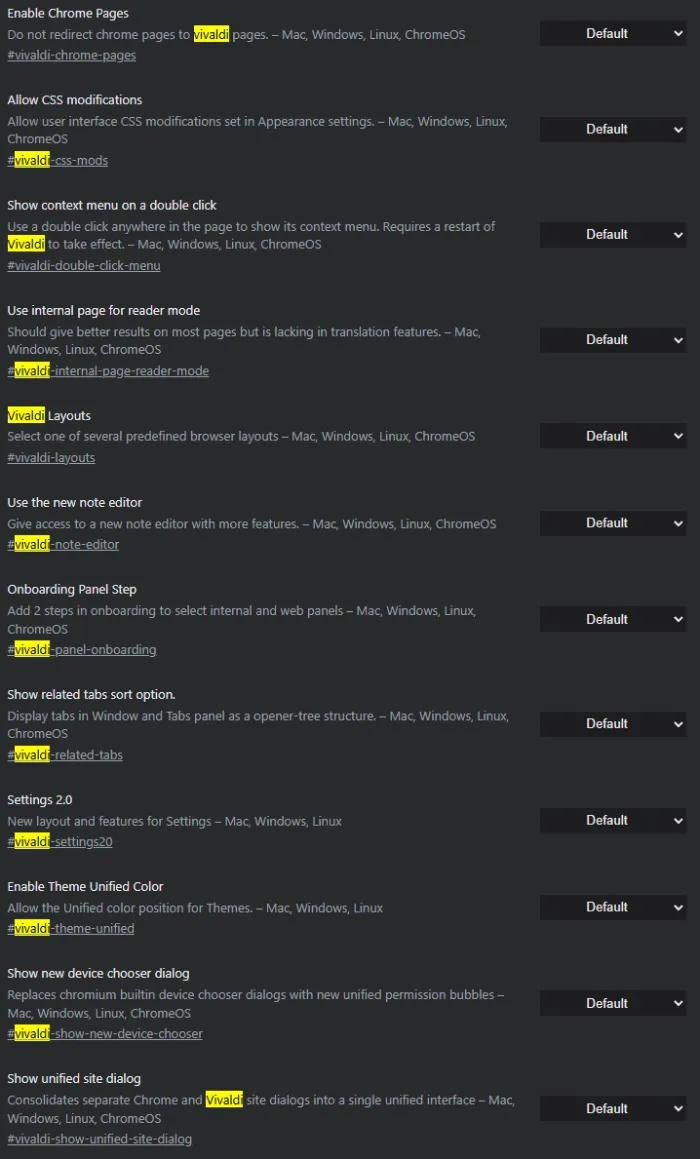
Vivaldi’s approach differs significantly from Brave, another privacy-focused competitor. Brave includes multiple AI features in its settings panel, including its AI Chat and Host-Specific Distillation, though they can be disabled. Still, a user, @oMaMoriTTV on X, shared screenshots comparing the two; you can check them out yourself below:

Furthermore, Brave has also just made its premium Origin browser available on the stable channel for desktop users, which gets rid of the AI bloat completely. But keep in mind that you have to pay a fee to use it, unless you’re on Linux, where it’s available to use for free.
So it’s clear that the push for AI-free tools is gaining traction, but the ecosystem is fragmented. Users trying to avoid AI currently have to patch together solutions like using Vivaldi for browsing, DuckDuckGo for search, and even AI-free operating systems, where Linux shines.
Vivaldi’s decision to recirculate its anti-AI pledge suggests the company sees the current frustration with Google as a direct acquisition opportunity, pitching itself to users who simply want their old internet back.


Dwayne Cubbins
3055 Posts
I cover fast-moving stories across apps, online platforms, and everyday tech — phones, wearables, consoles, and whatever else people are fighting with this week. Bugs, rollouts, scams, policy enforcement, and the occasional internet-culture rabbit hole are all fair game. My goal is simple — make confusing tech news readable. When I'm not working, I'm working out or chilling with my dog. Got a tip? You can find me on X @dcubbins.
Next article View Article