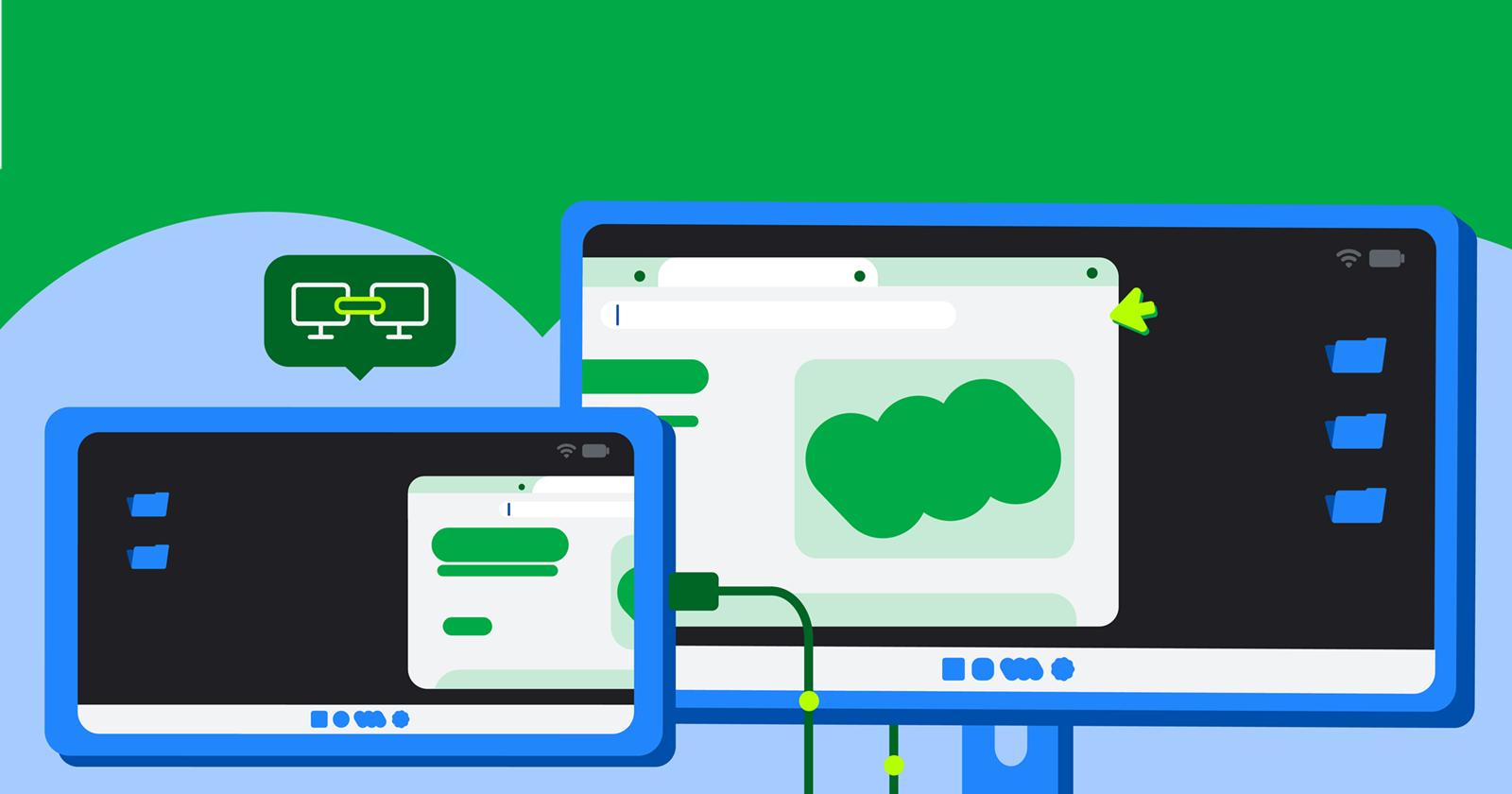
Google officially made Android’s connected display desktop experience generally available with Android 16 QPR3, bringing a proper desktop-style session to supported Pixel and Samsung devices when connected to an external monitor. The setup now includes a taskbar, freely resizable app windows, multitasking, and proper mouse and keyboard support, making Android’s long-teased desktop ambitions feel a lot more real than the old half-baked experiments hidden in developer settings.
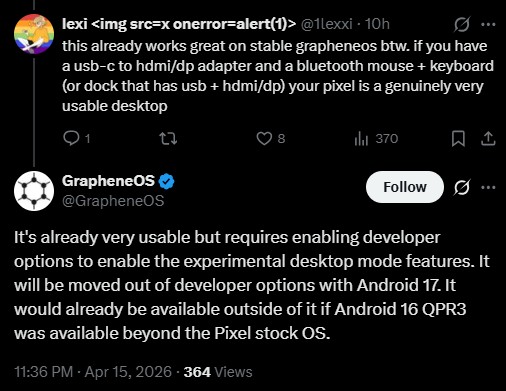
For GrapheneOS users, though, the important part is not that Google finally shipped it on stock Pixel OS. It is that the same feature is now effectively on track to become a cleaner, stable user-facing option once GrapheneOS moves to Android 17. That is because GrapheneOS already has an experimental desktop mode that is usable today with a USB-C to HDMI or DisplayPort setup plus a keyboard and mouse. The catch is that it still lives behind developer options, which is not where GrapheneOS wants a polished end-user feature to stay.
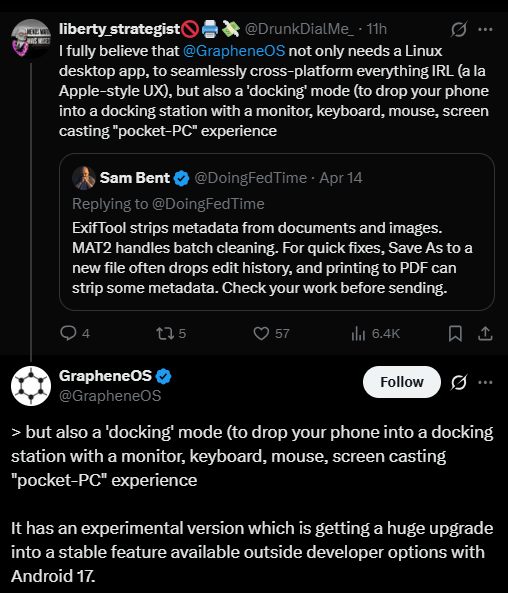
The project’s current implementation is experimental, already usable, and slated to move out of developer options with Android 17. In other words, the groundwork is there already. What is missing is not the concept or even basic usability, but the upstream release path needed to bring Google’s finalized Android 16 QPR3 desktop experience into the wider Android open-source ecosystem that GrapheneOS depends on.
And that is where Google’s new AOSP policy becomes the whole story. Google’s Android developer page states that, effective in 2026, source code will be published to AOSP in Q2 and Q4 to align with its trunk-stable development model. The official release notes page now summarizes Android 16, Android 16 QPR1, and Android 16 QPR2, not QPR3, which is the key detail here. Since Android 16 QPR3 was a Q1 2026 release, it did not automatically become an AOSP drop in the same way many enthusiasts might have expected from older Android release patterns.
While Google is rolling out the upgraded desktop mode as part of Android 16 QPR3 on stock Pixel devices, GrapheneOS says its own stable implementation will instead come with Android 17. The project has indicated that the necessary release is not yet available through the same path it relies on, which is why users are still dealing with the current experimental version for now.
That would not be entirely surprising. We’ve seen the same dynamic before with other GrapheneOS releases, including the road to Pixel 10 support, where timing depended in part on when Google made the relevant Android code available upstream.
So while some users may look at Android 16 QPR3 on stock Pixel and wonder why GrapheneOS cannot just “flip on” the same polished desktop mode right now, the answer is much more boring and much more frustrating: release access. The feature went generally available on supported Pixel and Samsung devices, but Google’s 2026 AOSP cadence means that not every quarterly platform refinement is flowing downstream the way custom OS projects were used to. That is exactly why the stable GrapheneOS version of this experience is now widely expected to arrive with Android 17 instead.
The good news is that Android 17 is already showing signs that Google is continuing to invest in the desktop and external display experience rather than treating Android 16 QPR3 as the end of the road. Android 17 Beta 3 adds things like improved widget behavior on external displays and interactive picture-in-picture for desktop mode, suggesting the connected-display environment is still being actively refined. So when GrapheneOS eventually lands its stable Android 17-based build, users may get a desktop experience that feels more mature than a simple late port of Android 16 QPR3 ever would have.
For now, the takeaway for GrapheneOS users is fairly simple. Desktop mode is not some distant dream on the platform. It already exists in experimental form today, and it is already usable for people willing to enable the relevant developer option and plug into the right hardware. But the cleaner, stable, out-of-developer-options version that Google has effectively validated with Android 16 QPR3 is most likely going to show up for GrapheneOS when the project makes its jump to Android 17.


Hillary Keverenge
2723 Posts
Tech has been my playground for over a decade. While the Android journey began early, it truly took flight with the revolutionary Lollipop update. Since then, it's been a parade of Android devices (with a sprinkle of iOS), culminating in a mostly happy marriage with Google's smart home ecosystem. Expect insightful articles and explorations of the ever-evolving world of Android and Google products coupled with occasional rants on the Nest smart home ecosystem.
Next article View Article