





Nova Launcher crashes preventing set up.
byu/SpoonyDrip inNovaLauncher
Google Pixel users are having a busy start to 2026. Over the past few days, reports have surfaced pointing to a problematic January Pixel update, major instability in Nova Launcher following its ownership change, fresh concerns around Qi2 wireless charging on the Pixel 10 series, and new leaked screenshots revealing Android 17’s evolving design and features.
Here’s a breakdown of what’s going on across the Pixel ecosystem right now.
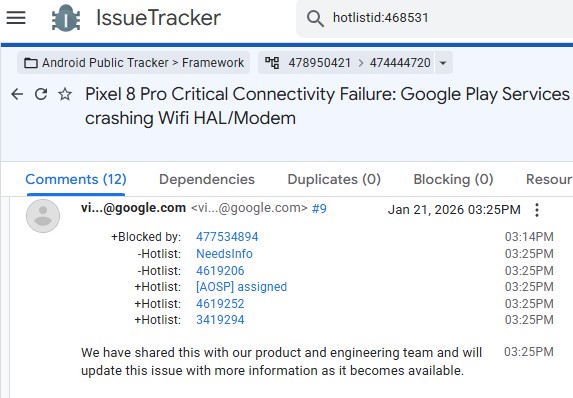
January Pixel update triggers Wi-Fi and Bluetooth issues for some users
Google rolled out the January 2026 update for Pixel devices a couple of weeks ago, and while the update initially appeared stable, growing user reports suggest that it may be causing Wi-Fi and Bluetooth connectivity problems on certain devices.
Multiple threads on Google’s official forums and Reddit indicate that affected users are unable to toggle Bluetooth on, while others report that Wi-Fi fails to connect, or, in some cases, doesn’t even scan for available networks. A handful of users have also mentioned camera-related glitches, though those reports remain less common.
The issue does not appear to affect all users, but it’s far from isolated. Complaints reference a wide range of devices, including the Pixel 8 Pro, Pixel 10, Pixel 10 Pro XL, and other recent models. That suggests the bug may be tied to the software build rather than a single device generation.
So far, there’s no reliable fix. Standard troubleshooting steps such as reboots, network resets, safe mode, and even factory resets haven’t consistently resolved the problem. One user claims that manually reinstalling the latest public build helped, but this does not appear to be a universal solution.
Google is reportedly aware of the issue, but has yet to formally acknowledge it publicly, outside of advising affected users to contact support. Notably, some users say they experienced similar, though rarer connectivity issues in the previous Pixel update, making it possible that this latest release has amplified an existing bug.
Nova Launcher crashes hit Pixel users after controversial comeback
Nova Launcher, long considered a favorite among Pixel power users, is facing renewed scrutiny after its latest updates introduced major bugs and crashes.
The launcher, which many believed was effectively shut down in late 2025, returned with regular updates following its sale by Branch Metrics to Swedish company Instabridge. Alongside that ownership change came early groundwork for an ad-supported free tier, a move that has already made some longtime users uneasy.
The most recent update, Nova Launcher 8.2.8, began rolling out across beta and stable channels in late January. Since then, Reddit users have reported that Nova crashes repeatedly during the initial setup process, sometimes preventing the launcher from being used at all. Others say app icons randomly disappear from the home screen after unlocking the phone or exiting an app.
While the bugs affect multiple Android brands, including Samsung and OnePlus, Google Pixel phones are among the devices most frequently mentioned, given Nova’s popularity within the Pixel community.
Temporary workarounds include sideloading an older Nova APK or disabling automatic Play Store updates, though neither option is ideal. Importantly, not all users are affected, and the crashes appear most common during first-time setup.
The rocky update has overshadowed Instabridge’s assurances that Nova Prime users won’t see ads, and has reignited concerns about the launcher’s long-term direction after yet another ownership change.
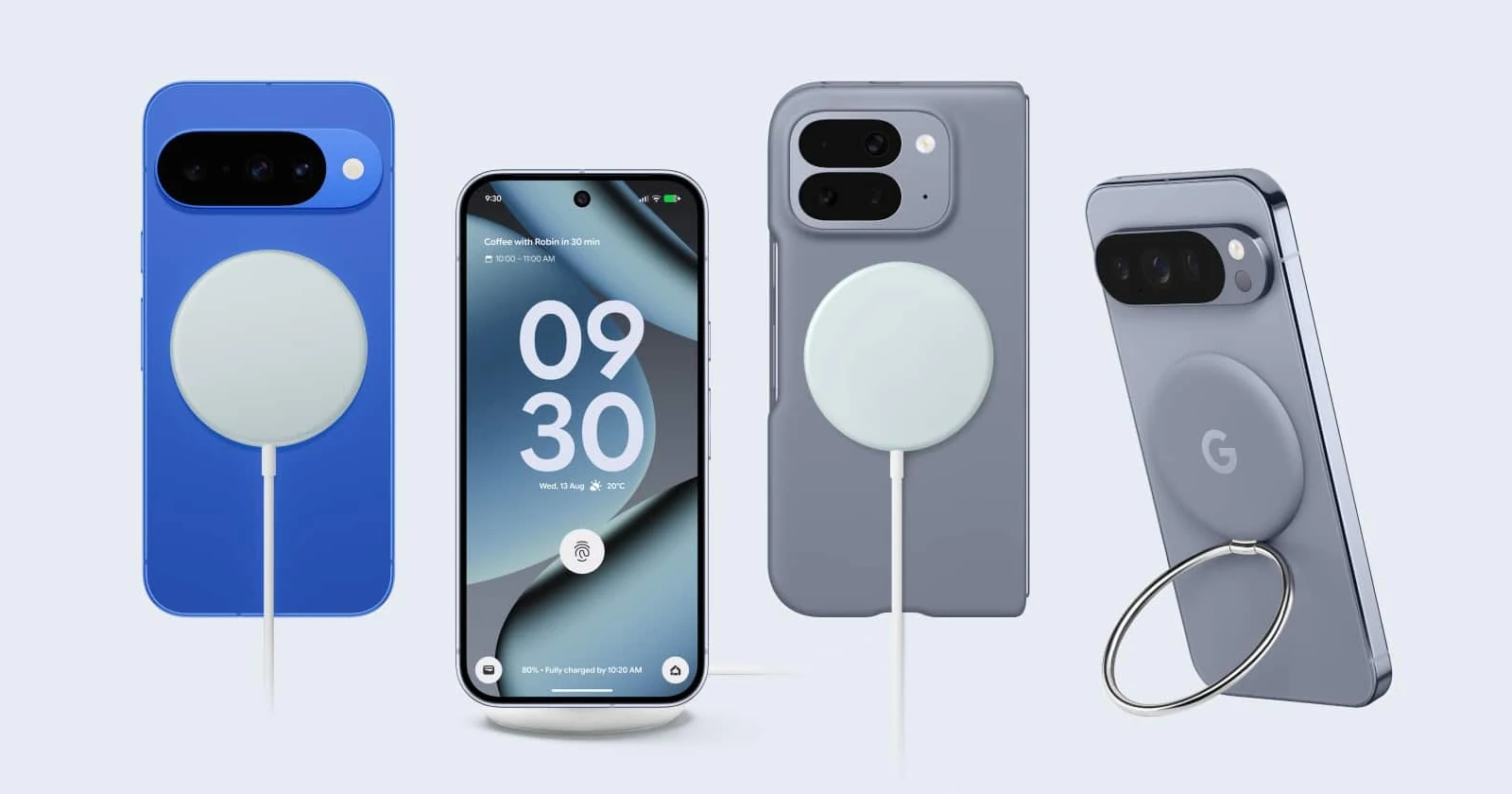
Google Pixel 10 Qi2 wireless charging isn’t living up to expectations
New testing from Android Authority’s Rita El Khoury paints a disappointing picture of Qi2 wireless charging on the Pixel 10 series, despite Google’s push toward the new standard.
One of the biggest takeaways is that older Qi chargers perform poorly with Pixel 10 devices. Even Qi chargers rated at 15W often fall back to the much slower 5W Basic Power Profile, because Pixel 10 phones prioritize Qi2’s Magnetic Power Profile handshake and don’t reliably fall back to Extended Power Profile when it’s missing.
In real-world testing, this means many Qi chargers, including those built into cars, either charge extremely slowly or fail altogether.
Even when using Qi2 25W-certified chargers, results are underwhelming. While the Google Pixel 10 Pro XL briefly pulls high wattage, charging speeds drop sharply after just a few minutes. A full charge over Qi2 takes roughly 135 minutes, compared to 77 minutes over USB-C, and the phone stays warmer for much longer during wireless charging.
Perhaps most surprising is how little difference there is between 15W Qi2 and 25W Qi2 in practice. Since the phone spends most of the session charging at around 10W, the real-world gap between the two standards is minimal.
Qi2 power banks also suffer from heavy efficiency losses. In testing, 10,000mAh Qi2 power banks often delivered roughly half their advertised capacity, barely charging Pixel 10 phones from 0% to 100%.
The verdict: Qi2 on Pixel 10 works best for overnight or passive charging, but for quick top-ups, USB-C remains far superior in speed, efficiency, and heat management. Whether Google can improve Qi2 performance through software optimization remains unclear, but expectations are now shifting toward the Pixel 11.
Android 17 leaks reveal new blur effects, screen recorder redesign, and app lock
Leaked screenshots from an internal Android 17 build are offering an early look at where Google’s next major OS update is headed, particularly in terms of design polish.
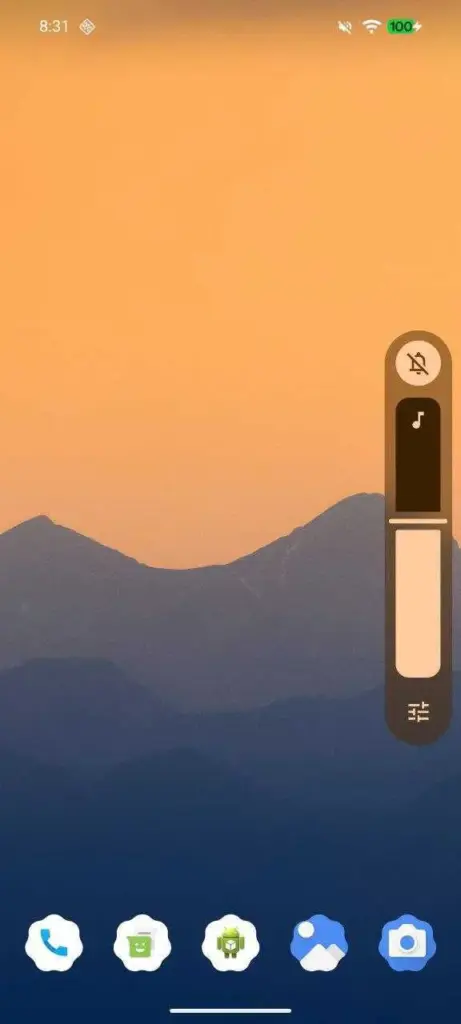
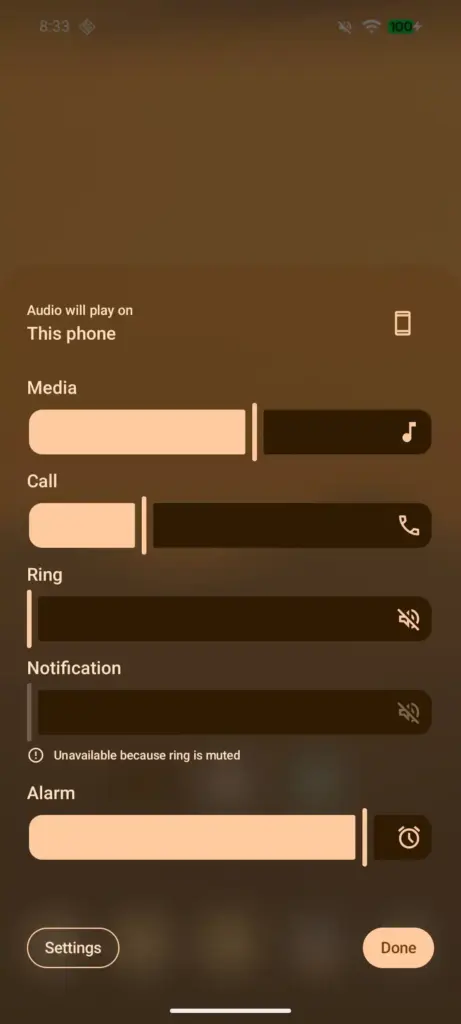
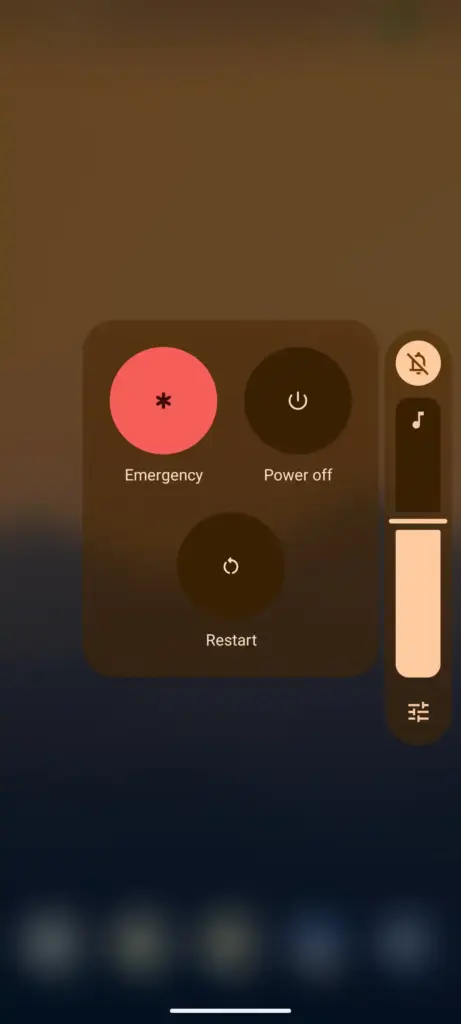
One of the most visible changes is a new system-wide blur effect. UI elements like the volume slider and power menu now feature translucent backgrounds that reveal wallpaper content beneath, dynamically themed using Material You colors. The result is a softer, more layered look compared to Android 16’s solid panels.
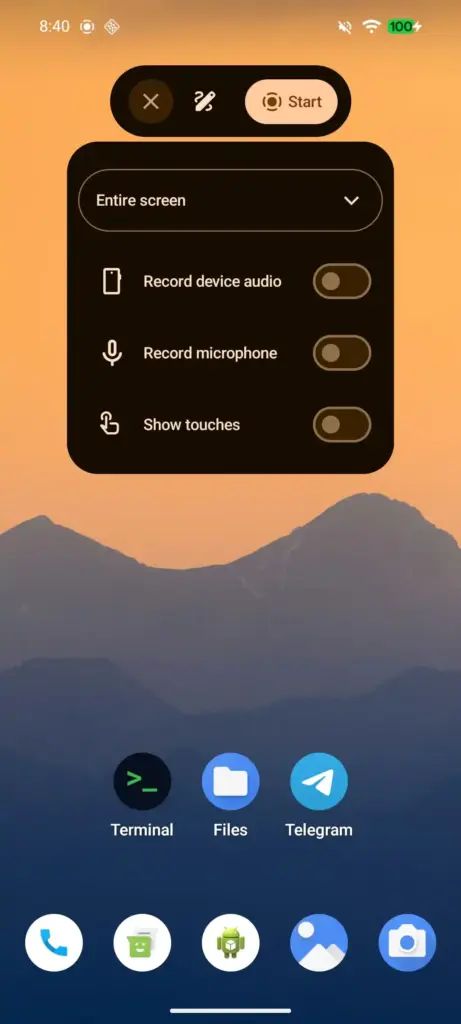
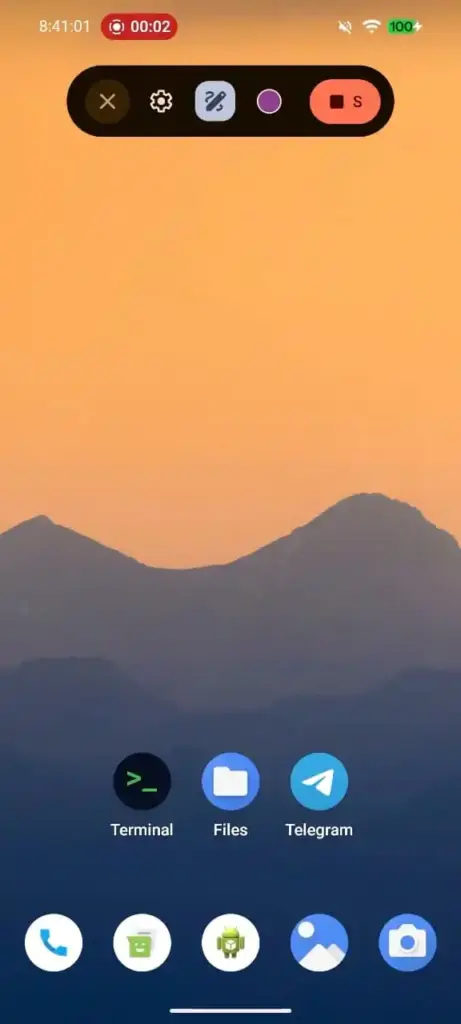
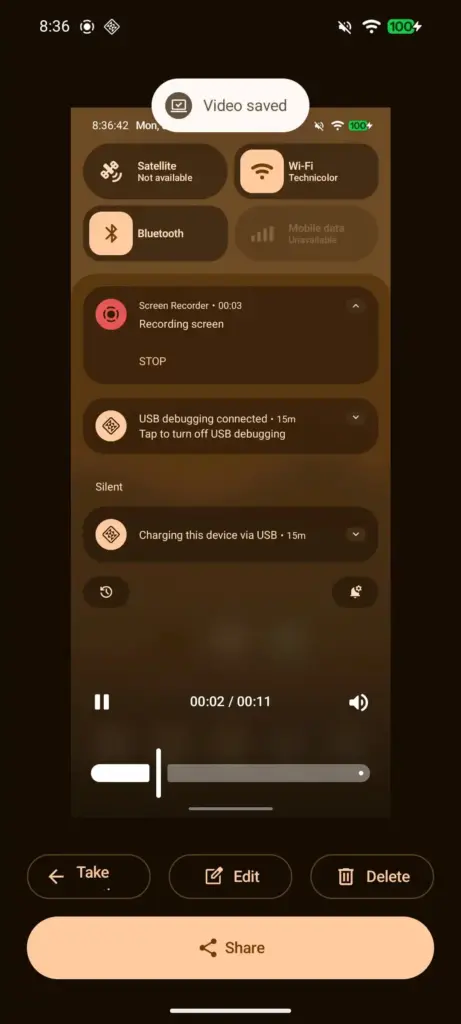
Android 17 also brings a redesigned screen recording interface. Instead of a heavy pop-up, users get a floating pill-style control with options to record device audio, microphone input, and touch interactions. Once recording begins, tapping the status bar brings back the control pill, which now includes tools for doodling on the screen and quick access to settings, followed by a preview screen for sharing or editing.
Elsewhere, long-pressing an app icon now reveals a “Lock app” option, hinting at deeper app-level privacy controls, though the feature isn’t fully functional yet. Another small but notable change suggests that bubbles may expand beyond messaging apps, potentially opening the feature up to more use cases.
Taken together, these developments highlight a familiar pattern in the Google Pixel ecosystem: ambitious features and fast updates, occasionally paired with rough edges. Between software bugs, third-party launcher instability, underwhelming hardware standards, and early Android 17 experimentation, Pixel users are once again navigating both the perks and pitfalls of being on Google’s bleeding edge.
As always, we’ll be keeping an eye on updates, especially fixes for the January patch issues, and will update as more information becomes available.

We stand out from the tech-media crowd because we break news stories; we mainly bring you stuff that you won’t find anywhere in the mainstream tech media. Our stories have been picked up by some of the world’s most popular websites and media outlets—more info is available here.

Hillary Keverenge
2723 Posts
Tech has been my playground for over a decade. While the Android journey began early, it truly took flight with the revolutionary Lollipop update. Since then, it's been a parade of Android devices (with a sprinkle of iOS), culminating in a mostly happy marriage with Google's smart home ecosystem. Expect insightful articles and explorations of the ever-evolving world of Android and Google products coupled with occasional rants on the Nest smart home ecosystem.
Next article View Article
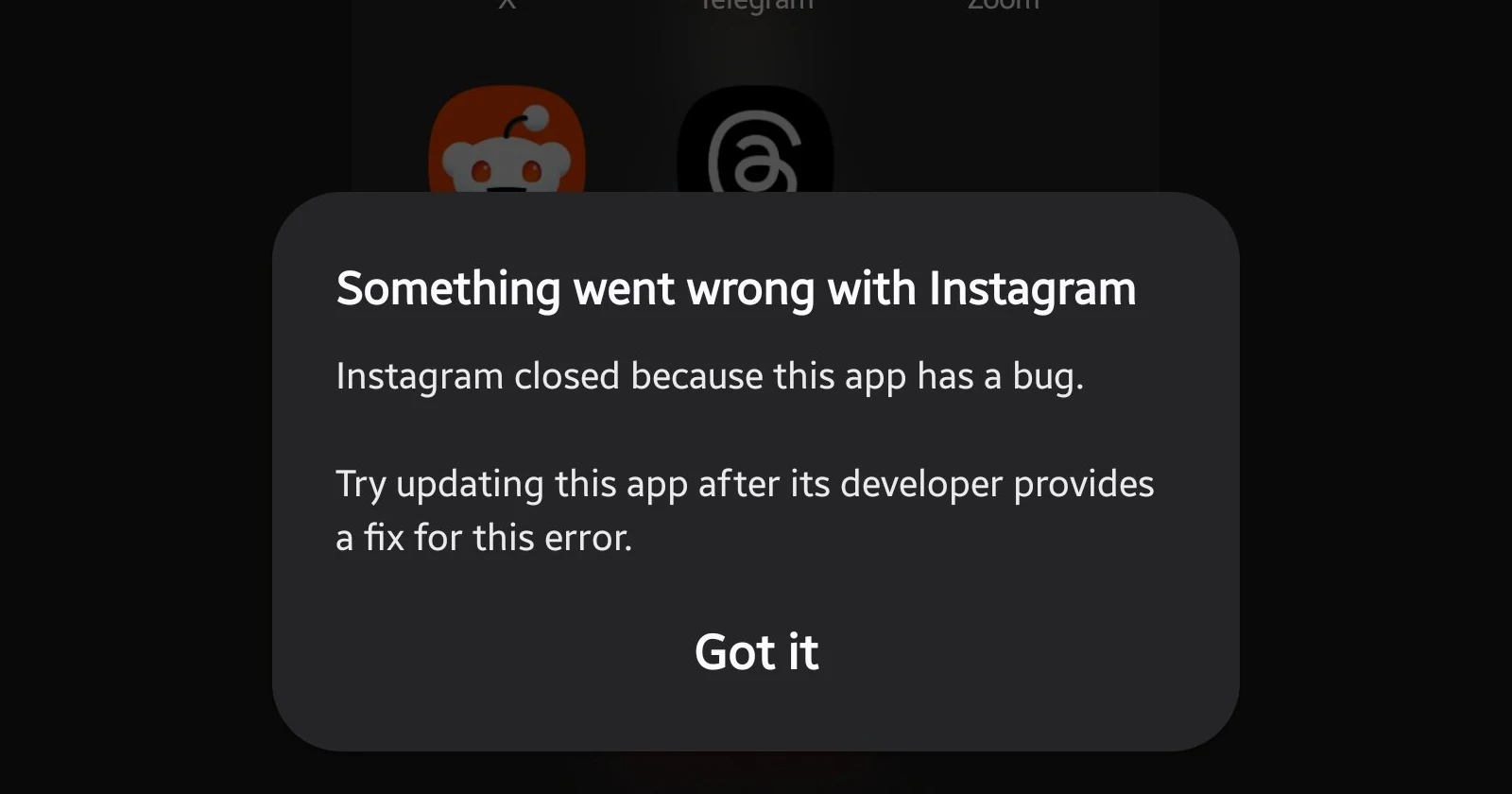
Instagram app crashing within seconds of opening on Android for many [U: Widespread again]
Update 12/02/26 - 02:17 pm (IST): Looks like Instagram's Android crashing problem is back with a vengeance. Reports started flooding in earlier today from users who can...
Feb 12, 2026 2 Min Read