
Google’s Tensor chips have been a key differentiator for its Pixel smartphones, allowing the company to tightly integrate custom hardware and software. However, Google has faced some limitations by partnering with Samsung for the manufacturing of previous Tensor chips. In particular, thermals and performance have been one of the biggest cons of Pixel phones powered by Tensor chips, compared to the competition. That seems set to change with the next-generation Tensor G5 processor slated for the Pixel 10 series in 2025.
A report from Android Authority, citing publicly available import/export documentation, has confirmed that the Tensor G5 system-on-chip will be manufactured by TSMC, rather than Samsung. This marks a significant shift for Google as it seeks to leverage TSMC’s superior chip manufacturing prowess.
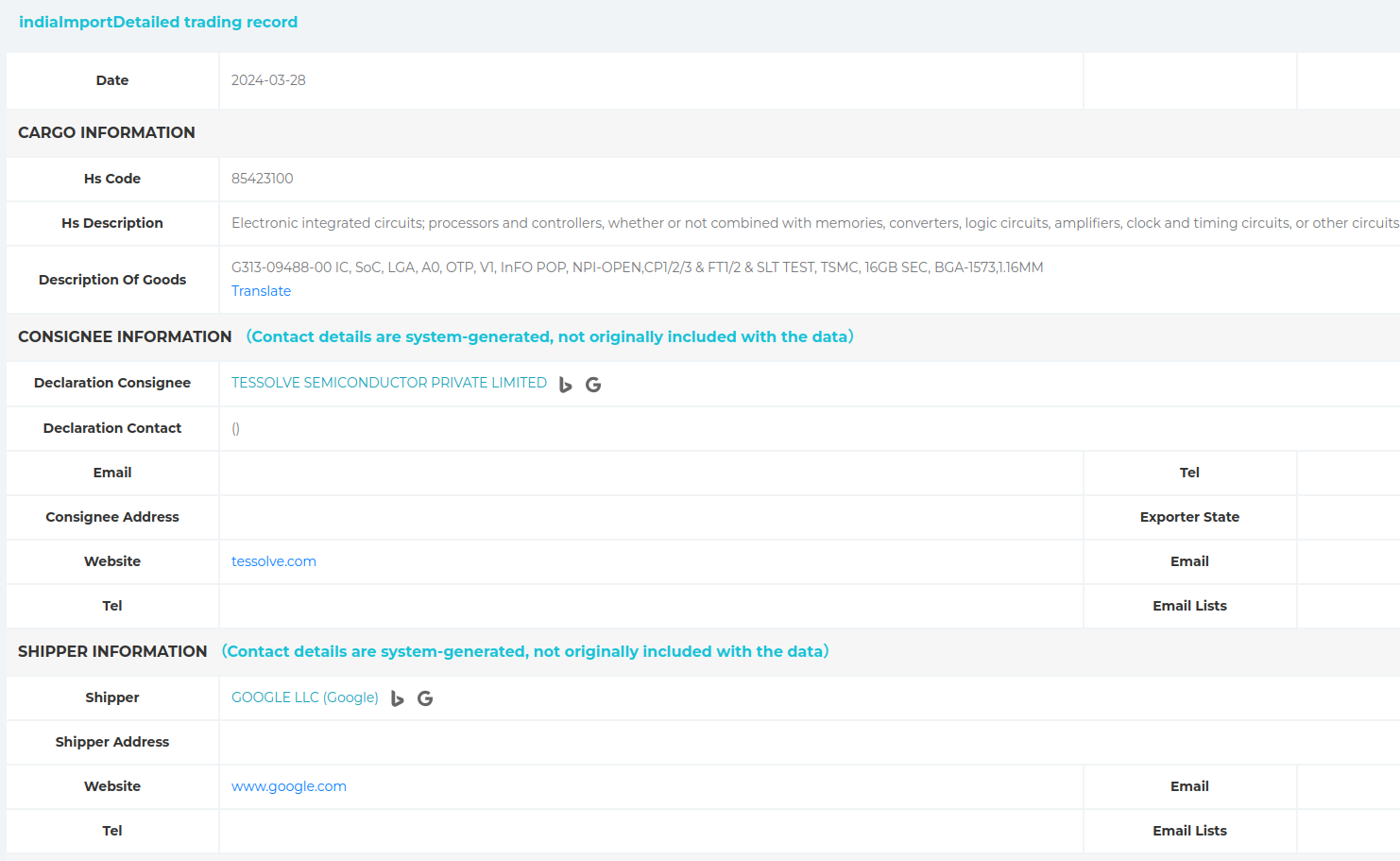
The import data shows an early “A0” revision of the “LGA” chip, which is the codename for the Tensor G5 (“Laguna Beach”). It lists TSMC’s InFO POP (Integrated Fan-Out Package on Package) packaging technology, confirming TSMC’s involvement. This 3D stacked chip packaging allows for higher performance and better thermals compared to conventional PoP solutions.
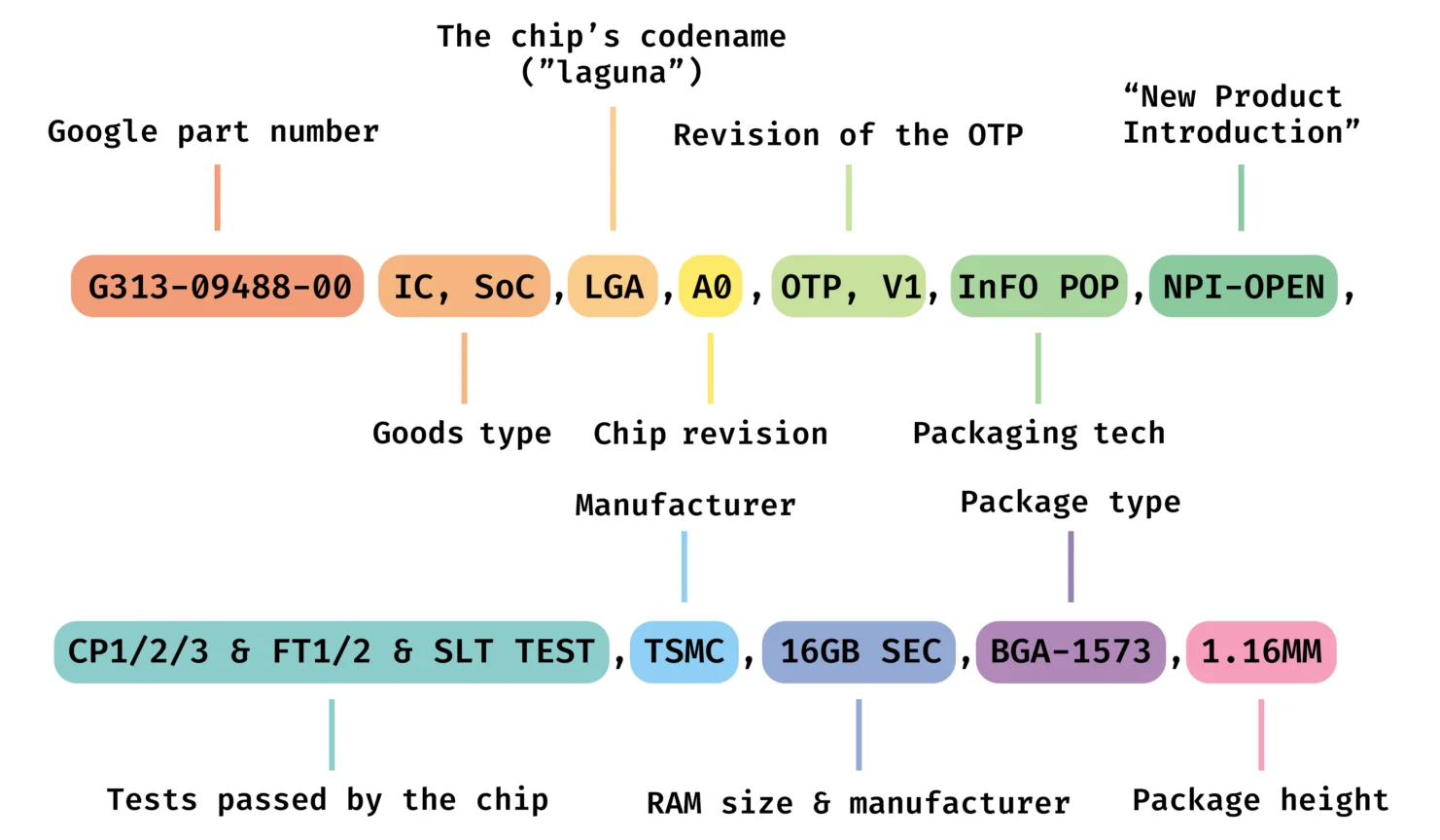
Interestingly, the early Tensor G5 sample has 16GB of RAM supplied by Samsung. This aligns with rumors that the Pixel 9 Pro will feature 16GB of RAM, potentially setting a new standard that the Pixel 10 series will follow.
The transition to TSMC’s manufacturing should provide Google with greater flexibility and the ability to push the performance and efficiency of its Tensor chips. Samsung’s foundries have struggled to match TSMC’s manufacturing prowess in recent years.
While the Pixel 9 series is still on the horizon, utilizing the Samsung-made Tensor G4, the confirmation of TSMC’s role with Tensor G5 has already sparked excitement for the Pixel 10. With a new chip manufacturer and Google’s continued chipset customizations, the Pixel 10 could represent a substantial generational leap over its predecessors.
As Google doubles down on AI and machine learning for its Tensor pipeline, tapping TSMC’s cutting-edge process nodes could pay significant dividends for the Pixel 10’s AI capabilities. The shift in manufacturers may have delayed Google’s internal chip plans, but it should ultimately drive a more compelling flagship experience in 2024.


Dwayne Cubbins
3128 Posts
I cover fast-moving stories across apps, online platforms, and everyday tech — phones, wearables, consoles, and whatever else people are fighting with this week. Bugs, rollouts, scams, policy enforcement, and the occasional internet-culture rabbit hole are all fair game. My goal is simple — make confusing tech news readable. When I'm not working, I'm working out or chilling with my dog. Got a tip? You can find me on X @dcubbins.
Next article View Article