



Apple is stepping up its tracking protections in Safari 27 by cutting off the hidden companies that follow your email address around the web, and the ad industry is already building a way around it.
According to a WebKit blog post, the browser on iOS, iPadOS, macOS, and visionOS 27 now blocks network access to what it calls identity resolution infrastructure.
Basically, whenever you type your email into a website login box or a newsletter signup form, invisible third parties sitting on that page grab it behind the scenes. They send your email back to their servers and turn it into a permanent tracking ID that follows you across different websites and devices, even if you log out later.
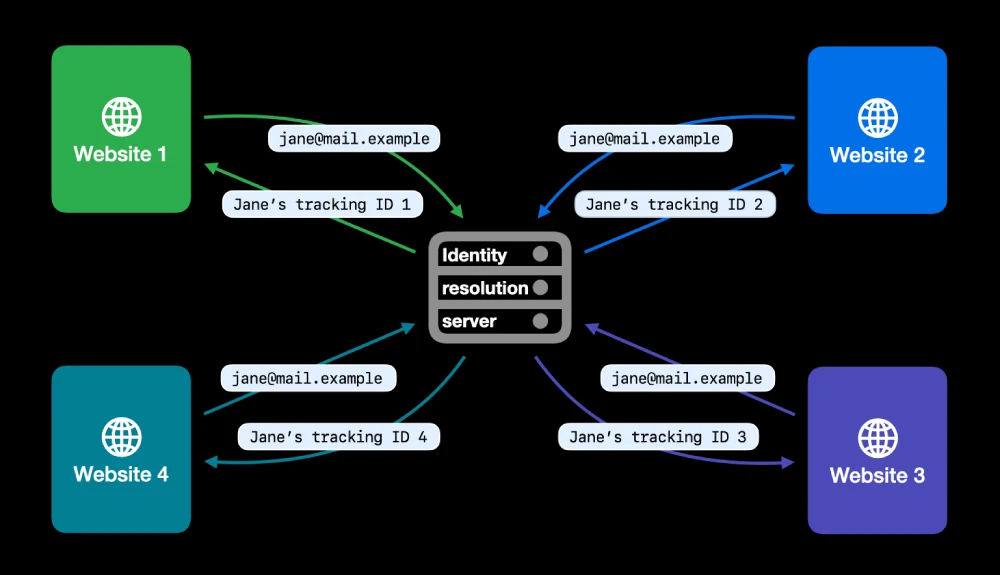
Safari is now blocking those companies at the domain level so they cannot just tweak their code to slip past the filter.
A recent breakdown by Seth Honda at 404 Privacy points to a public WebKit bug report that spilled the names of nine blocked domains bundled into Safari 27. That list includes major ad trackers like LiveRamp, ID5, Unified ID 2.0, Permutive, and Audigent.
Apple even accidentally blocked The Trade Desk’s core ad delivery domain before quietly fixing it in the iOS 27.2 beta while leaving the actual identity trackers blocked. While the company has been busy testing vertical tabs and a smarter dark mode in newer point releases, this background privacy change is what actually has advertisers sweating.
Since ad companies can no longer rely on the browser to let their scripts run, they are moving the whole operation to external servers.
The IAB Tech Lab is pushing an open-source tool called Trusted Server that runs ad auctions and identity matching directly on the website publisher’s own server instead of inside your browser.
ID5 CEO Mathieu Roche told Digiday that “going server-side is more resilient because you’re not on the device anymore, so there’s nothing the device can do to block you.”
When the website you visit handles the tracking handoff on its own backend, Safari sees only a normal connection to the site you intended to open. Your browser never encounters the third-party tracker, so it cannot block the request or even alert you that your data is being shared.


Dwayne Cubbins
3205 Posts
I cover fast-moving stories across apps, online platforms, and everyday tech — phones, wearables, consoles, and whatever else people are fighting with this week. Bugs, rollouts, scams, policy enforcement, and the occasional internet-culture rabbit hole are all fair game. My goal is simple — make confusing tech news readable. When I'm not working, I'm working out or chilling with my dog. Got a tip? You can find me on X @dcubbins.