


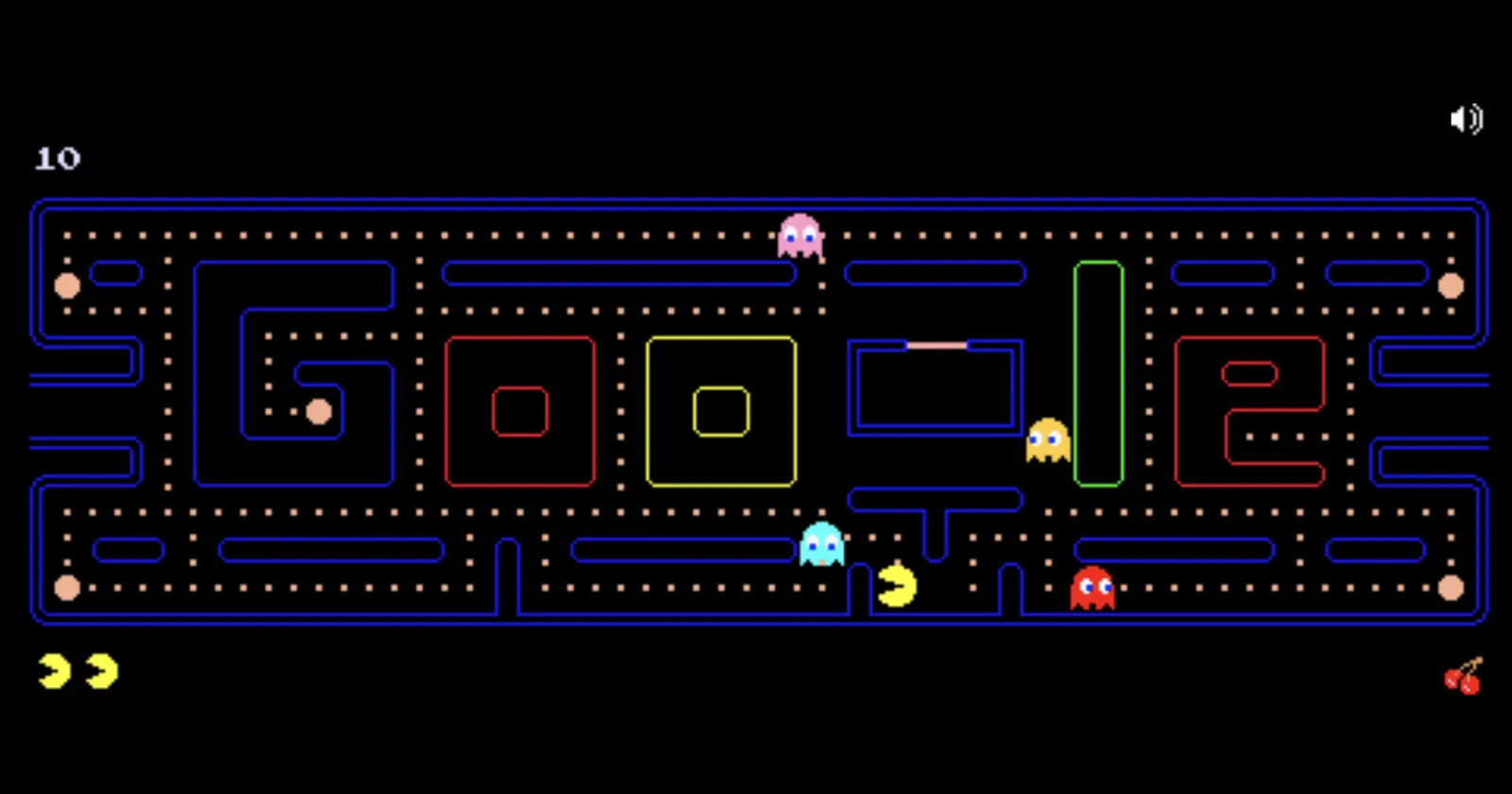
Former Google designer Marcin Wichary recently shared a hilarious story on his Unsung blog about how the iconic 2010 Pac-Man doodle accidentally convinced thousands of Firefox users that their computers were possessed.
Back in May 2010, Google celebrated the 30th anniversary of Pac-Man by swapping its regular homepage logo for a fully playable arcade maze. Wichary built the game mostly in HTML and CSS, relying on a tiny bit of Flash just to handle the famous arcade audio.
To make sure visitors noticed they could actually play the logo, Google leadership decided the game should start automatically after 10 seconds of inactivity on the homepage, complete with full sound effects. Nobody on the team thought that would be an issue since people rarely sit idle on a search page without typing anything.
Then the doodle went live, and some unexpected complaints started coming in about alarming noises playing through people’s speakers. When the team suggested closing the game tab, users often responded with confusion: “What Pac-Man?”
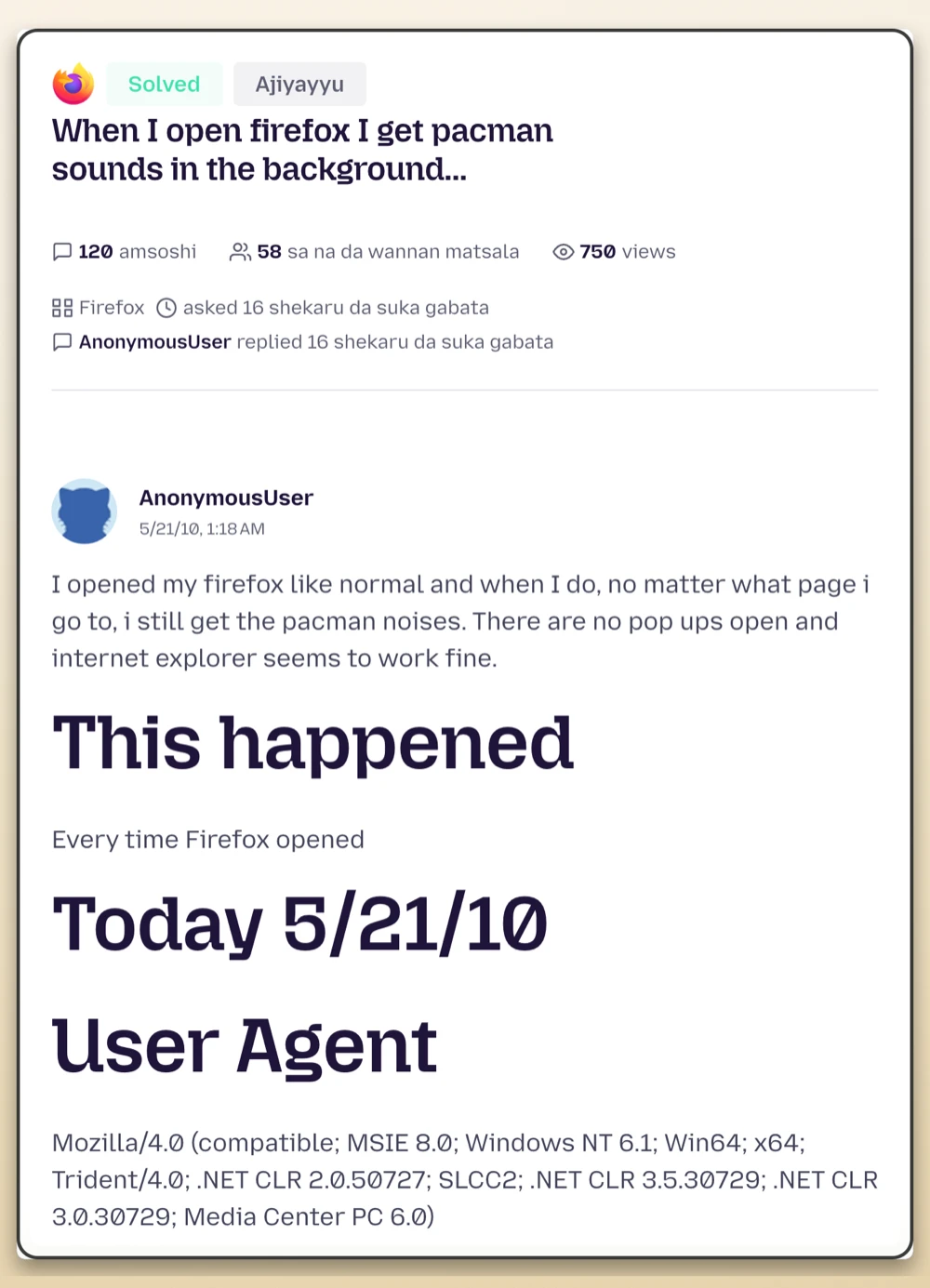
After a frantic few hours of digging, the team found the culprit inside Firefox. A popular add-on called CoolPreviews let users peek at links by hovering over them, and for some strange reason, it quietly loaded Google’s homepage in an invisible background window every time Firefox started up.
“If you used Firefox with CoolPreviews installed, the plugin would quietly open Google’s homepage in the background whenever you launched the browser,” Wichary explained. Just ten seconds after Firefox opened, an invisible Pac-Man game would start blaring its siren on an endless loop, even if the browser was minimized while someone played Solitaire.
Of course, extensions doing weird things in the background is still a massive headache today, though usually for much worse reasons like rogue Firefox extensions hijacking crypto keyrings and clipboard data behind the scenes.
To stop phantom arcade noises in 2010, Wichary pushed an emergency patch to Google’s homepage within hours. He added a mute button and made audio play only after a click or keypress — something CoolPreviews couldn’t do.


Dwayne Cubbins
3175 Posts
I cover fast-moving stories across apps, online platforms, and everyday tech — phones, wearables, consoles, and whatever else people are fighting with this week. Bugs, rollouts, scams, policy enforcement, and the occasional internet-culture rabbit hole are all fair game. My goal is simple — make confusing tech news readable. When I'm not working, I'm working out or chilling with my dog. Got a tip? You can find me on X @dcubbins.