






It looks like Mozilla is ready to take on Google and Microsoft in the corporate browser market. The company just announced Firefox Enterprise, aimed at businesses that are tired of relying on Chromium.
Instead of asking IT teams to trust yet another cloud dashboard, Mozilla built a console that companies can host on their own servers. This gives sysadmins direct control over browser policies, internal data traffic, and employees’ access to third-party AI tools. All of this happens without sending diagnostic data back to Big Tech.
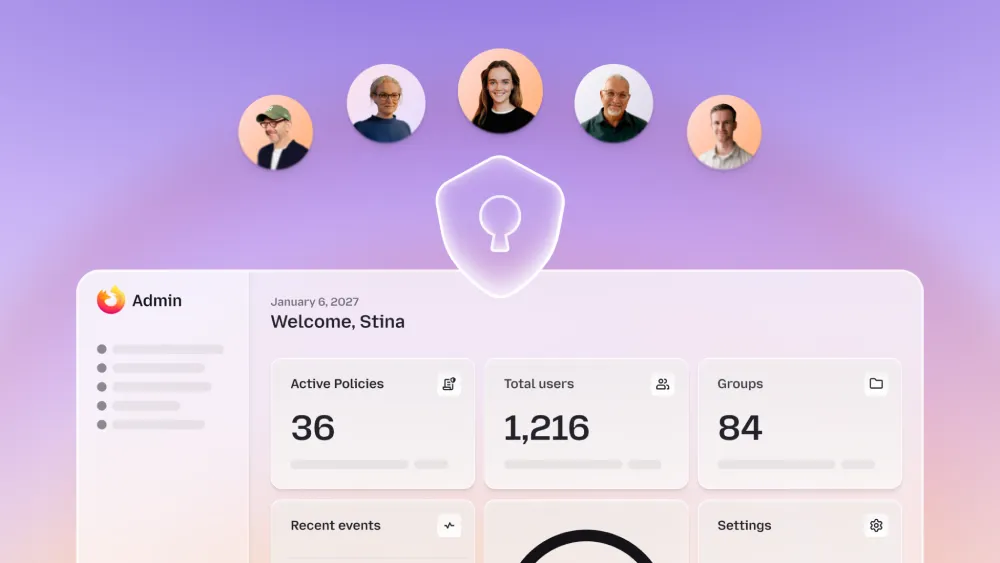
The launch comes as corporate IT and European governments reevaluate software dependencies. Plus, recent desktop market share numbers show Chrome and Edge still hold almost the entire field. That is precisely what Mozilla wants to target.
The announcement also highlights Mozilla CEO Anthony Enzor-DeMeo’s statement, where he said, “If all your options are built with the same technology underneath, ‘choice’ is a lie. So is control.” For context, both Chrome and Edge are built on Chromium. Firefox, by contrast, runs on the Gecko engine, the only major browser engine outside Google and Apple’s control. So it makes sense why Mozilla is now targeting enterprises with a dedicated browser.
The company also made big changes to its overall business strategy this year by reorganizing under a new nonprofit. The aim is to balance revenue with privacy tools, and Firefox Enterprise looks like it’s one part of the plan to do just that.
Mozilla is even working on a Thunderbird Enterprise version to handle communications down the road.
The initial rollout will focus on Europe, starting with France, Germany, Austria, and Switzerland, where strict digital sovereignty rules make self-hosted software a natural fit. It also works with companies’ existing tech stacks, integrating with their identity providers, MDMs, and SIEM logging tools without requiring teams to replace what they already use.
It is also hard to separate this release from Mozilla’s ongoing frustration with Microsoft. Just days after escalating its antitrust fight over Windows pushing Edge, Mozilla is now offering enterprise administrators a clean way to pull workers away from both Edge and Chrome altogether.


Dwayne Cubbins
3106 Posts
I cover fast-moving stories across apps, online platforms, and everyday tech — phones, wearables, consoles, and whatever else people are fighting with this week. Bugs, rollouts, scams, policy enforcement, and the occasional internet-culture rabbit hole are all fair game. My goal is simple — make confusing tech news readable. When I'm not working, I'm working out or chilling with my dog. Got a tip? You can find me on X @dcubbins.