


Midori has been pretty quiet on the desktop front lately. The browser hasn’t picked up any new features or improvements, and it’s nowhere near the forefront of Chromium updates. In fact, the last noteworthy update arrived back in July, when the browser picked up new themes and got a performance boost.
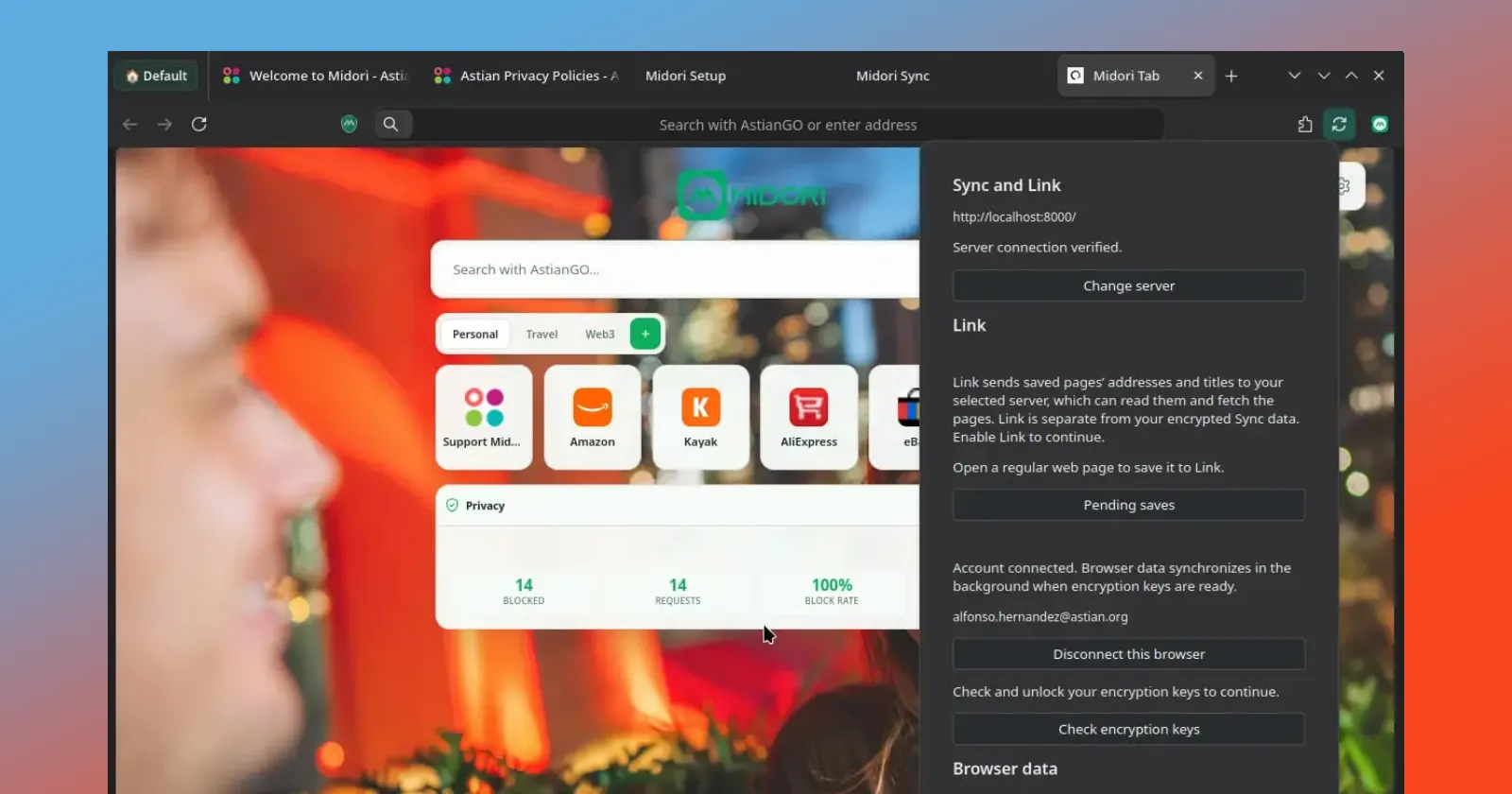
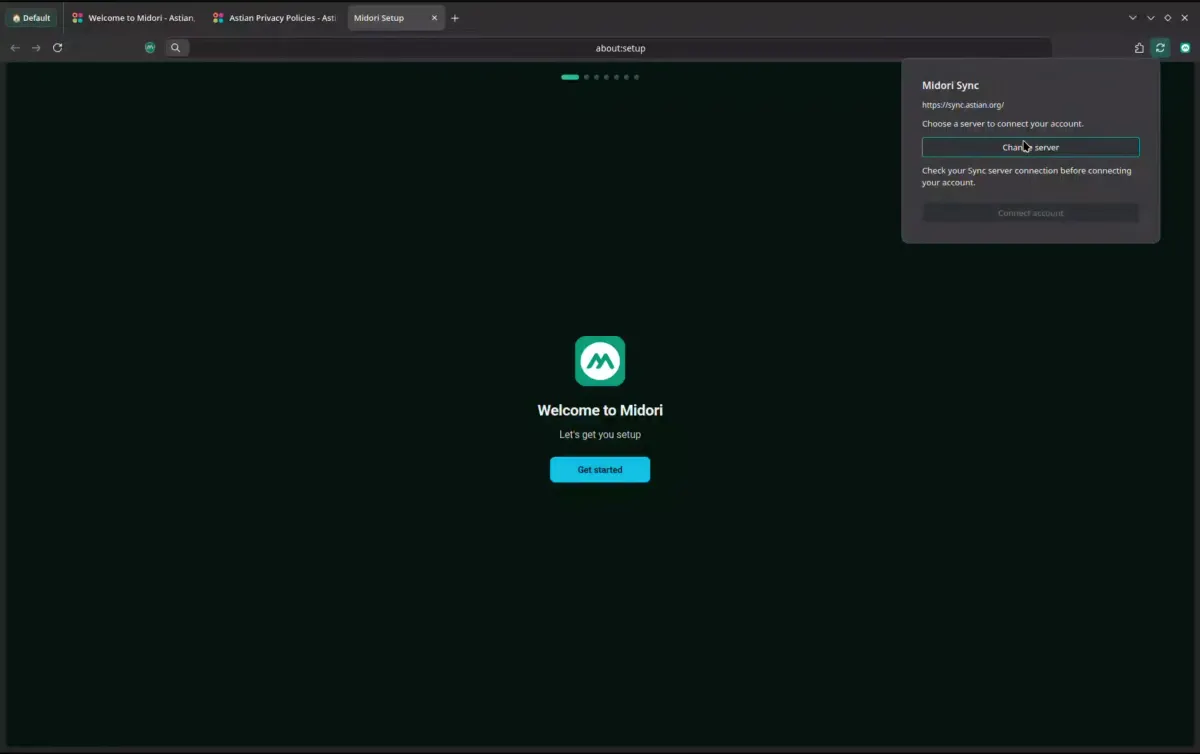
Luckily, the update hiatus won’t last long. The team has confirmed that they’re working on a big under-the-hood change for the browser. In an official blog post, Astian confirmed that Midori will drop Firefox Sync and replace it with its own cross-platform tool, Midori Sync.
The change isn’t surprising if you’ve been following Midori’s development. Just last month, we highlighted the company’s plans to unify the services they offer, like their VPN and cloud storage, with dedicated Astian accounts. So it makes sense that they’d also want users to be able to sync their browser data by means of the same service.
Ditching Firefox Sync was not a snap decision. According to Astian, trying to self-host Mozilla’s sync service was frustrating and relied heavily on Google services behind the scenes.
The real breaking point came when they monitored traffic with DNS blockers. Even with telemetry turned off in Midori, Mozilla’s sync components were still quietly phoning home with background data.
This is the main reason why Astian decided to make the change. In the post, they wrote, “that is when we understood why LibreWolf came with Sync disabled.”
So rather than fighting Mozilla’s code, they asked themselves, “Why not create our own Sync service, featuring tab syncing across devices and other capabilities?”
The new tool covers all the everyday basics you would expect. It lets you sync passwords, bookmarks, open tabs, and history across devices.
Plus, the best part is that it’ll be super easy to self-host. Astian built the backend with PHP and Laravel, meaning anyone can run their own sync server on cheap shared web hosting without touching complex cloud platforms. The team even shared a neat YouTube video showing it in action. Of course, we may see a few more changes or additional polish before the pubic release, but it should function more or less as advertised.
The project is fully open-source, and Astian even plans to release an extension so people on other Firefox or Chromium browsers can use Midori Sync too.


Dwayne Cubbins
3083 Posts
I cover fast-moving stories across apps, online platforms, and everyday tech — phones, wearables, consoles, and whatever else people are fighting with this week. Bugs, rollouts, scams, policy enforcement, and the occasional internet-culture rabbit hole are all fair game. My goal is simple — make confusing tech news readable. When I'm not working, I'm working out or chilling with my dog. Got a tip? You can find me on X @dcubbins.