






After Atlassian bought The Browser Company, people have wondered what’s next for Dia. We finally got some honest answers from Atlassian CEO Mike Cannon-Brookes in his recent interview on The Verge’s Decoder podcast.
At about the 0:56:58 mark, he explained that they aren’t making a browser for everyday users. Instead, Atlassian wants Dia to become an operating system for work. Mike said that for people who spend eight or nine hours a day at their computers, passive browsing is a thing of the past.
His argument is actually pretty compelling considering most of us spend the majority of our workday inside a web browser.
While I would normally call that time spent on the web, most of us are rarely just reading. Instead, we find ourselves working inside web apps like Google Docs, Slack, Figma, Jira, etc.
Dia is leaning into this shift by introducing some interesting new features, like live tab groups, to support working inside web apps.
The browser can automatically open and close tabs based on what’s happening during your workday.
If a colleague shares a Google Doc with you or mentions you in a pull request, their browser will open up right next to you. Once you’re done working on their shared project, the tab disappears to ensure you don’t get sucked into sixty inactive tabs at once.
Another new feature, Morning Brief, is becoming popular with power users. It scans your open work apps and calendars to highlight what needs your attention right away.
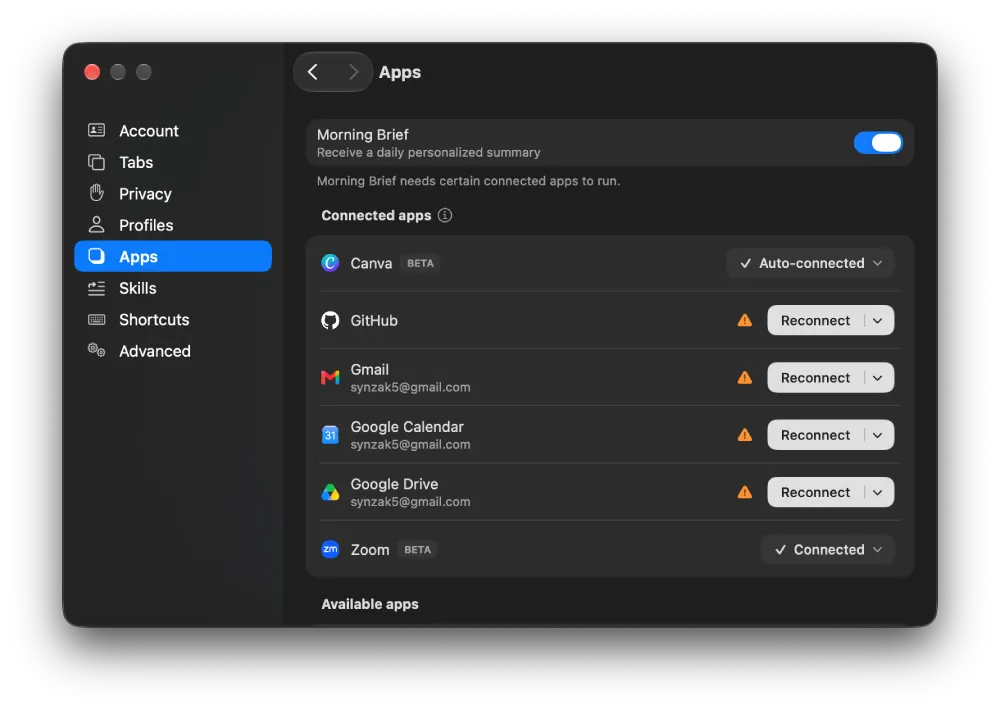
Morning Brief even manages to use your local machine to build out some micro apps using your task history for the week.
It’s impressive, but it might make you miss the days when you could just play Minesweeper during a break. Mike admits that turning your weekly task list into a productivity game is more of a goal than something most people will actually do.
I’ve used Dia as my main browser for months, and it quickly became one of my favorite apps. Still, I often find myself opening Chrome.
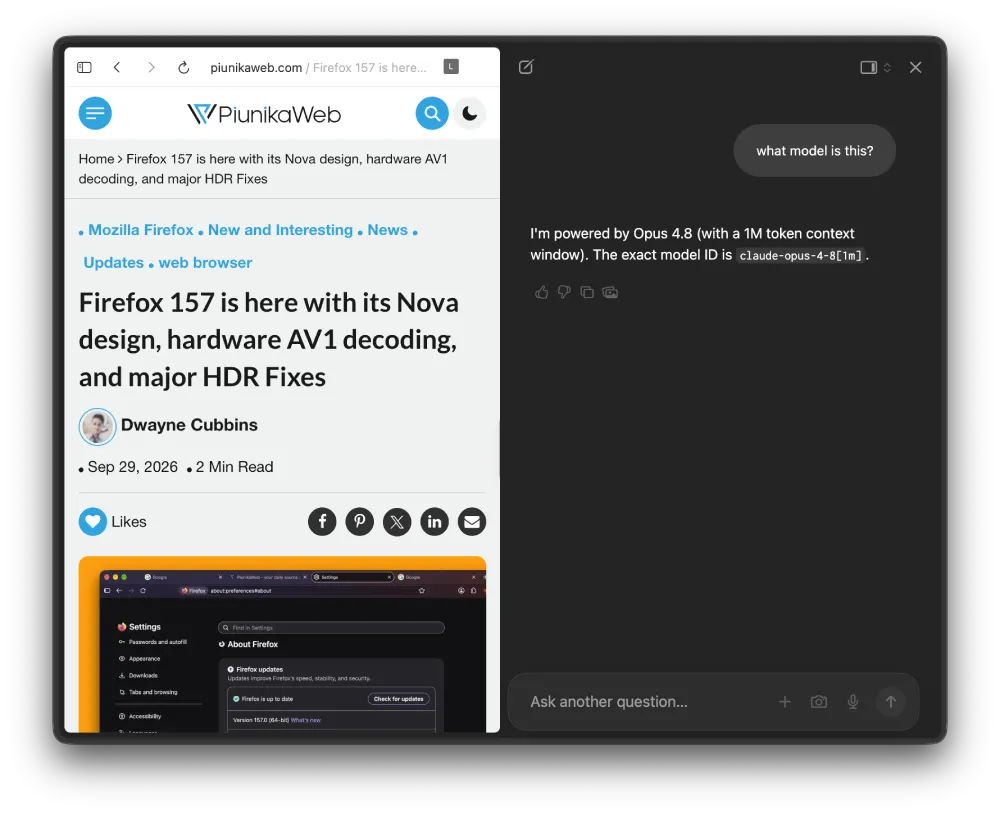
Gemini 3.8 Flash is just faster for multi-tab research. Dia still uses Claude Opus 4.8 for its chatbot, which feels too heavy and slow for the simple questions I usually ask.
I hope they update the model soon, especially now that Anthropic has released Claude Sonnet 5.5. Switching to a lighter model might be the best move for Dia right now.
That said, it’s not just about the speed. The bigger revelation is who this browser is actually for.
When The Browser Company announced that agentic browsing was coming to Dia this fall, it was inevitable that many of those use cases would be too compute-heavy for casual browsing.
They didn’t wait long before announcing expensive monthly subscription tiers going up to one hundred dollars.
While I (and other longtime users) haven’t been pushed to pay yet, the free forever pricing isn’t going to last.
Google might be able to subsidize Gemini’s performance in Chrome, but Atlassian can’t be expected to fund large-scale adoption of a bleeding-edge large language model for casual use.
Even with superficial improvements like hand-painted profile icons, Dia needs to pivot towards businesses that can expense the subscription.
Mike revealed that ninety-seven percent of Atlassian already uses Dia internally, and with Windows General Availability quickly approaching, this doer philosophy is about to get its first true enterprise test.


Dwayne Cubbins
3062 Posts
I cover fast-moving stories across apps, online platforms, and everyday tech — phones, wearables, consoles, and whatever else people are fighting with this week. Bugs, rollouts, scams, policy enforcement, and the occasional internet-culture rabbit hole are all fair game. My goal is simple — make confusing tech news readable. When I'm not working, I'm working out or chilling with my dog. Got a tip? You can find me on X @dcubbins.