






If you run Linux on your everyday desktop, getting Google Chrome up and running typically means grabbing a DEB or RPM package from Google’s own website. Under the hood, though, developers are just now getting their hands on something Linux fans have been wanting for years: an official Flatpak build.
It’s a welcome sight, especially taking into account the attention the platform has gotten recently; we’ve seen Google Chrome roll out to ARM64 Linux devices like the Raspberry Pi, and bringing a first-party Flatpak into the mix would only be the next logical step for desktop users.
As it currently stands, if you were to download Chrome from Flathub, you’re essentially using a package maintained by community volunteers. Of course, it does the job fine, but it requires some pretty clever workarounds to get Chrome’s internal security sandbox to play nice with Flatpak’s own sandbox.
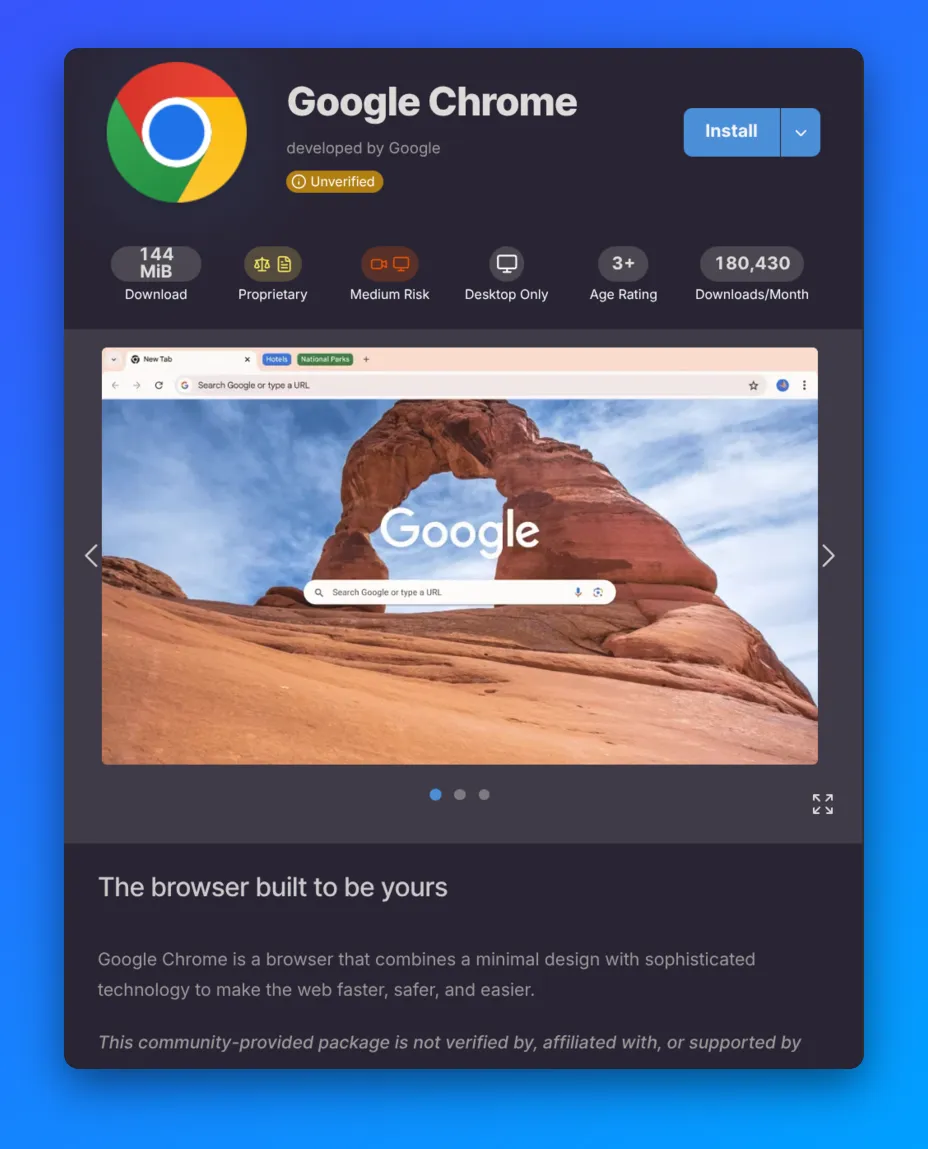
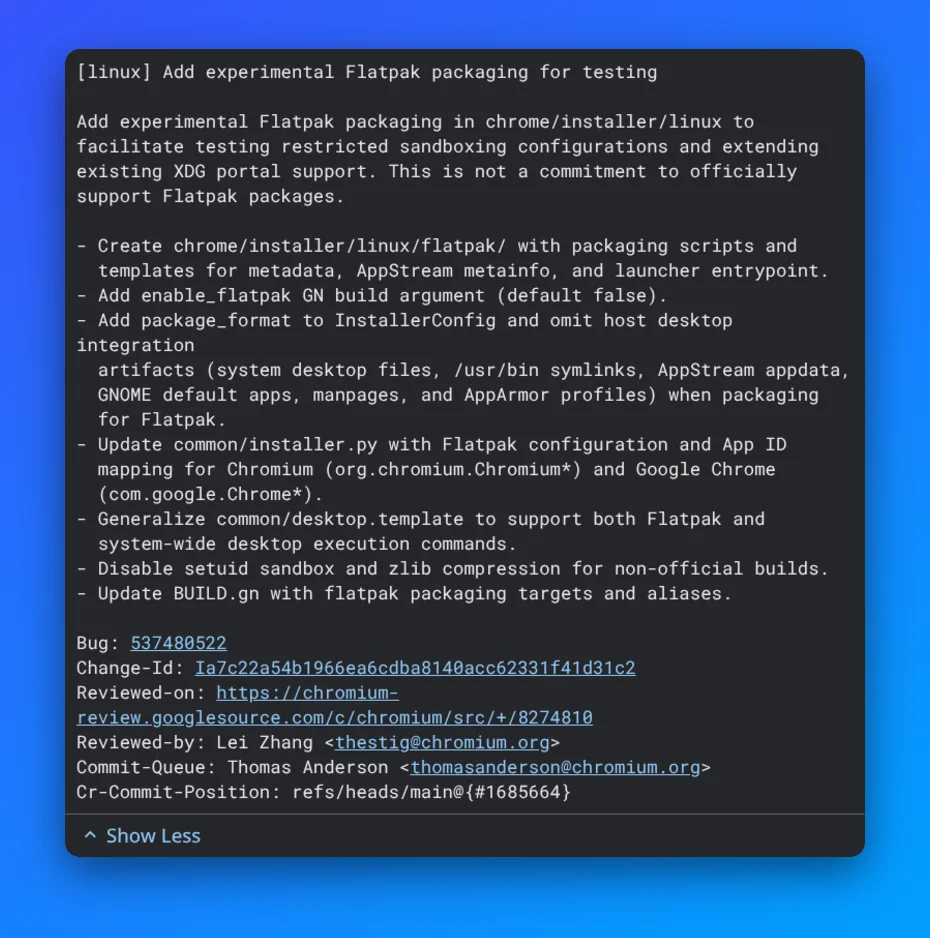
That situation might just change in the future though, with Chromium developer Tom Anderson recently submitting code (spotted by Neowin) to add experimental Flatpak packaging scripts directly into the main Chrome source tree.
But before you get too excited about this, it’s worth noting that Google isn’t exactly promising a wide release anytime soon. In the code submission, Anderson specifically added a comment clarifying that “this is not a commitment to officially support Flatpak packages.”
He focused on “testing restricted sandboxing configurations and extending existing XDG portal support,” essentially laying out the groundwork for getting Chrome to communicate safely with Linux desktop components without compromising its own built-in protections.
Other Chromium browsers have had this exact issue in the past, with Firefox offering a great native Flatpak, but browsers like Brave on Linux have to point users to native packages, as running one sandboxed application inside another is a quick recipe for disaster.
That said, Google isn’t the only one focusing on making things better on Linux. Mozilla also stepped up and pushed a graphics upgrade in Firefox on the platform. And Brave also made some recent changes to video playback on Linux.
Even if it takes some time before a public release on Flathub is officially released, having Google engineers building the foundation right into Chromium means getting clean, official sandbox support is looking to be in the cards.


Dwayne Cubbins
2971 Posts
I cover fast-moving stories across apps, online platforms, and everyday tech — phones, wearables, consoles, and whatever else people are fighting with this week. Bugs, rollouts, scams, policy enforcement, and the occasional internet-culture rabbit hole are all fair game. My goal is simple — make confusing tech news readable. When I'm not working, I'm working out or chilling with my dog. Got a tip? You can find me on X @dcubbins.