Google has officially lost its last chance to overturn one of the biggest antitrust penalties ever handed down in Europe.
The European Court of Justice has dismissed the company’s final appeal against a €4.1 billion (around $4.67 billion) fine over the way it bundled Chrome and Google Search with Android. Since this is the EU’s highest court, the legal battle is now over.
The case dates back more than a decade. The European Commission opened its investigation in 2015 and, three years later, fined Google a record €4.34 billion. Regulators said the company abused Android’s market position by requiring phone makers to pre-install Google Search and Chrome as part of its licensing agreements. According to the Commission, that made it much harder for rival browsers and search engines to compete.
Google challenged the decision, but only managed to get the amount reduced slightly. In 2022, the General Court lowered the fine to €4.1 billion while agreeing with most of the Commission’s findings. Google then took the case to the European Court of Justice, hoping for a different outcome. That didn’t happen.
Throughout the case, Google has argued that Android gives users plenty of freedom. The company says people can change their default browser or search engine whenever they want. In a statement shared with CNBC, a Google spokesperson said the ruling “fails to recognize” the company’s efforts to keep Android open and free. The company also noted that it updated its agreements in 2018 after the Commission’s original decision.
That said, Mozilla recently made a similar point during a US antitrust case involving Google’s search business. It argued that Firefox users had no trouble moving away from Yahoo after it became the browser’s default search engine in 2014, showing that people do switch when they prefer something else.
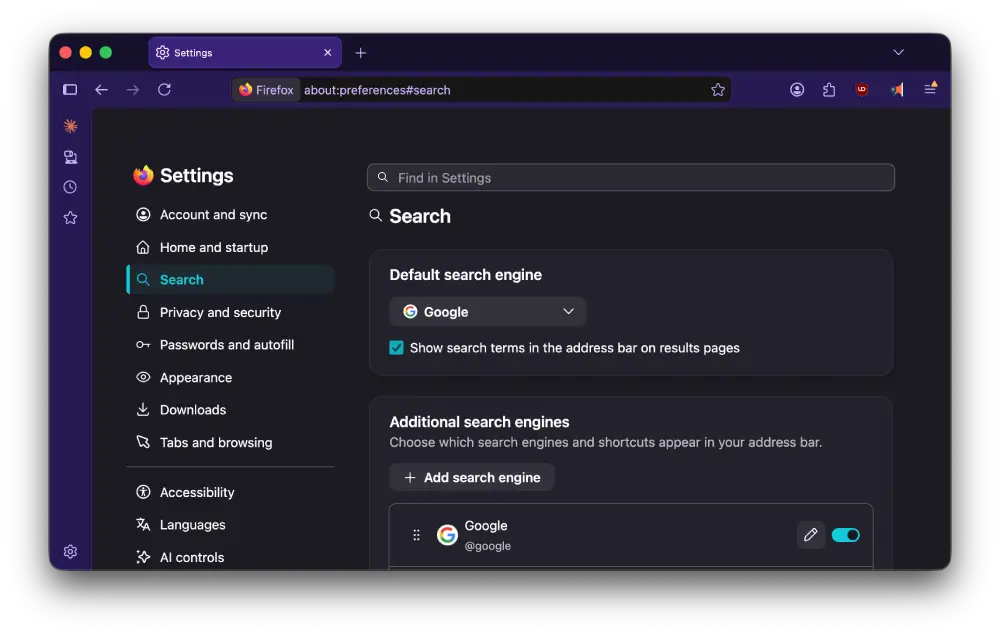
The situations aren’t exactly the same, though. Mozilla was defending its ability to choose a search partner. At the same time, European regulators concluded that Google used its control over Android to give Chrome and Google Search an unfair advantage over competing apps.
The ruling also marks the end of one of the EU’s biggest competition cases against Google. European regulators are now relying more on newer laws such as the Digital Markets Act and the Digital Services Act to oversee large technology companies, including Apple and Meta.
At the same time, tensions between the US and Europe over tech regulation continue to grow. President Trump has threatened steep tariffs on countries that impose digital taxes on American technology firms, while the US ambassador to the EU recently warned that Europe risks hurting its AI ambitions if regulation becomes too heavy.
For Google, though, this chapter is closed. The company’s final appeal has failed, and the €4.1 billion fine will stand.


Dwayne Cubbins
2927 Posts
I cover fast-moving stories across apps, online platforms, and everyday tech — phones, wearables, consoles, and whatever else people are fighting with this week. Bugs, rollouts, scams, policy enforcement, and the occasional internet-culture rabbit hole are all fair game. My goal is simple — make confusing tech news readable. When I'm not working, I'm working out or chilling with my dog. Got a tip? You can find me on X @dcubbins.
Next article View Article