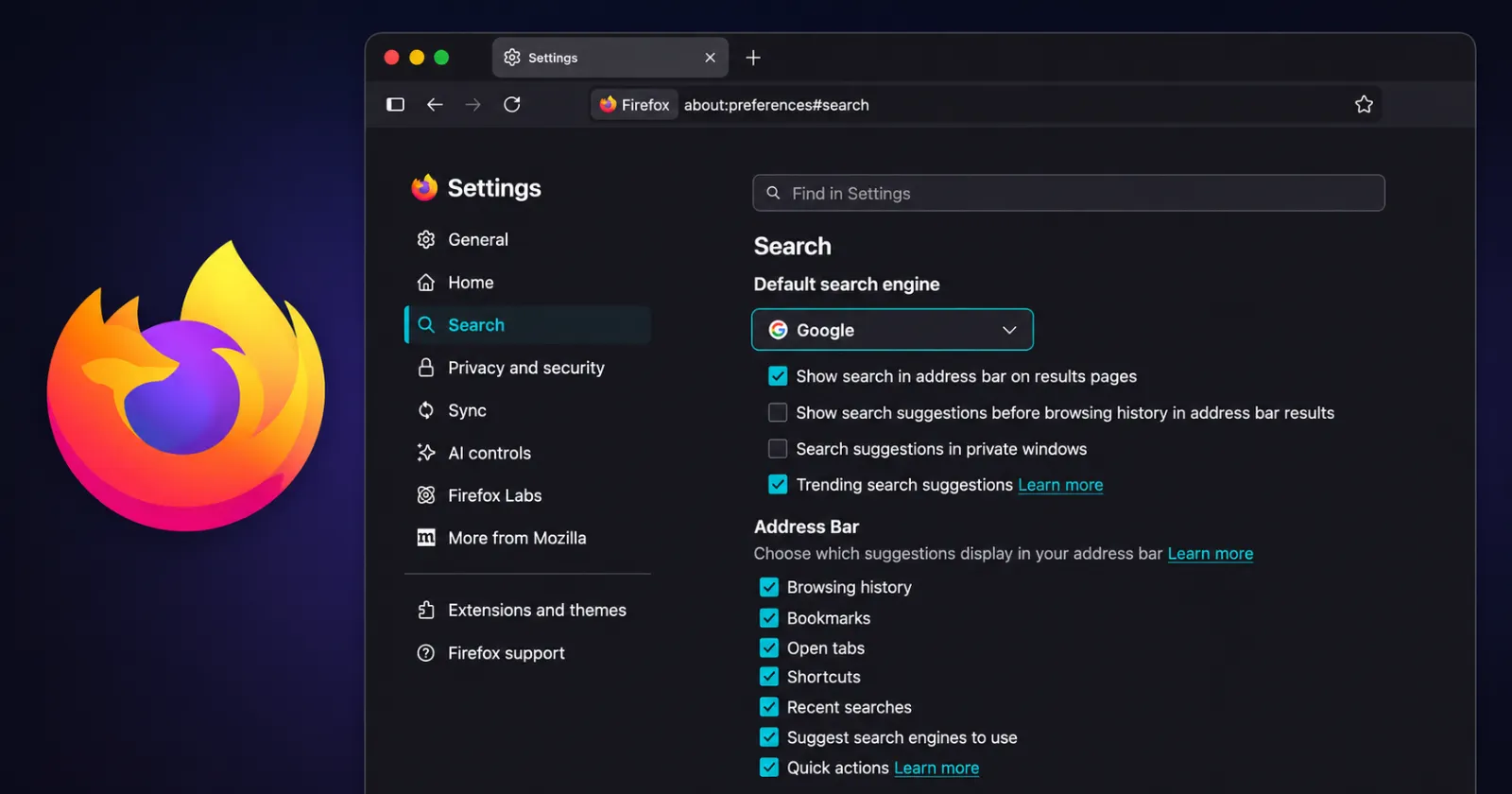
Mozilla has told a federal appeals court that its Google Search deal for Firefox was not “exclusive,” pushing back on one part of the ruling in Google’s search antitrust case. As first reported by MLex, the company said in a friend-of-the-court brief that the agreement contained no express or implied exclusivity requirement.
This is important because Firefox is one of the few major browsers outside the Chromium camp, and Google’s default search payments have long been a major part of Mozilla’s revenue.
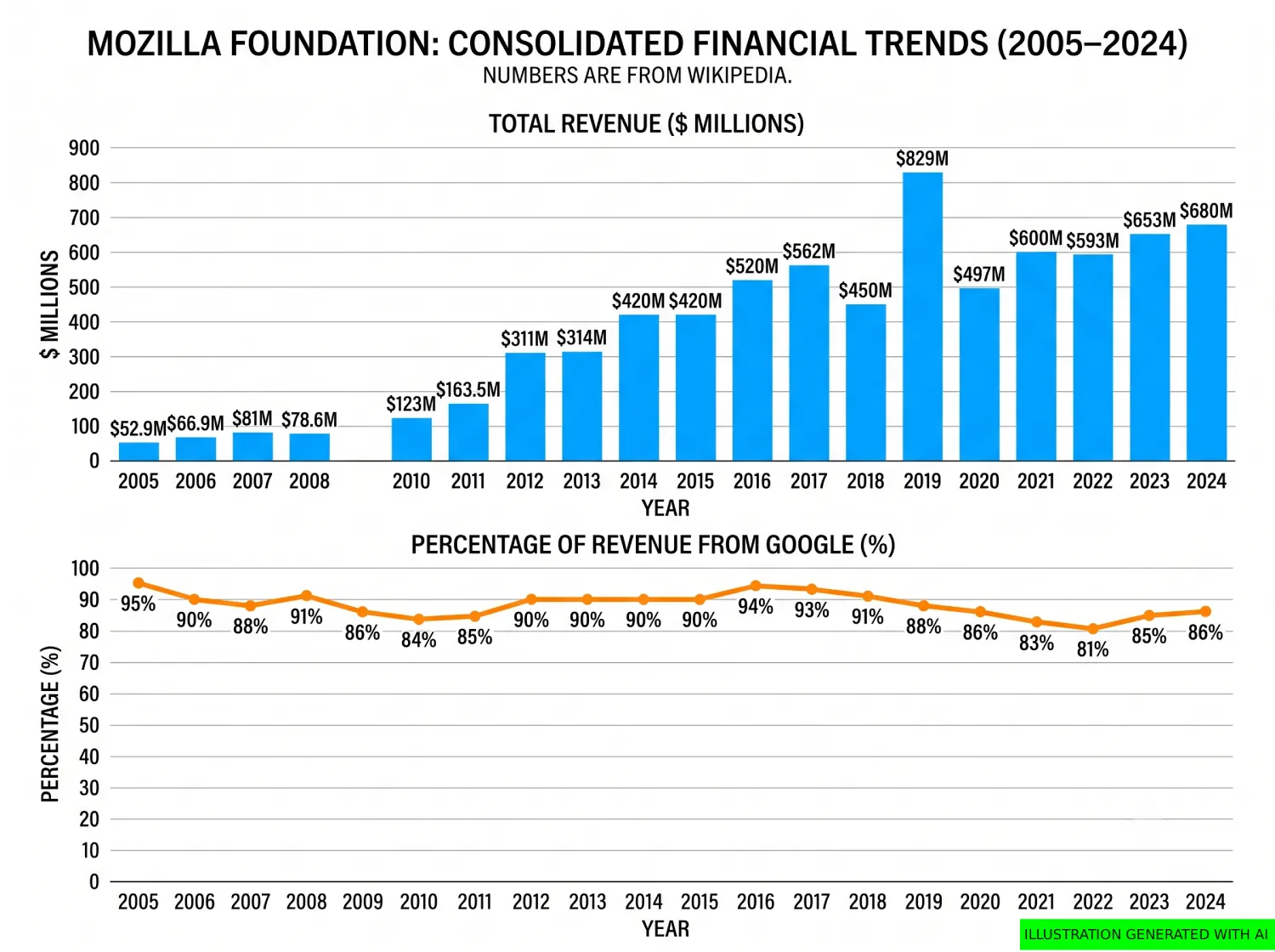
Mozilla has been warning for months that cutting off those payments could hurt its ability to keep developing Gecko, the browser engine behind Firefox. In an official post last year, the company said banning search revenue payments to independent browsers could put that work at risk.
This fresh argument from Mozilla leans on the fact that users still have a choice in Firefox. The company also pointed to its old Yahoo default deal from 2014 to 2017 as proof that default placement did not lock the market down.
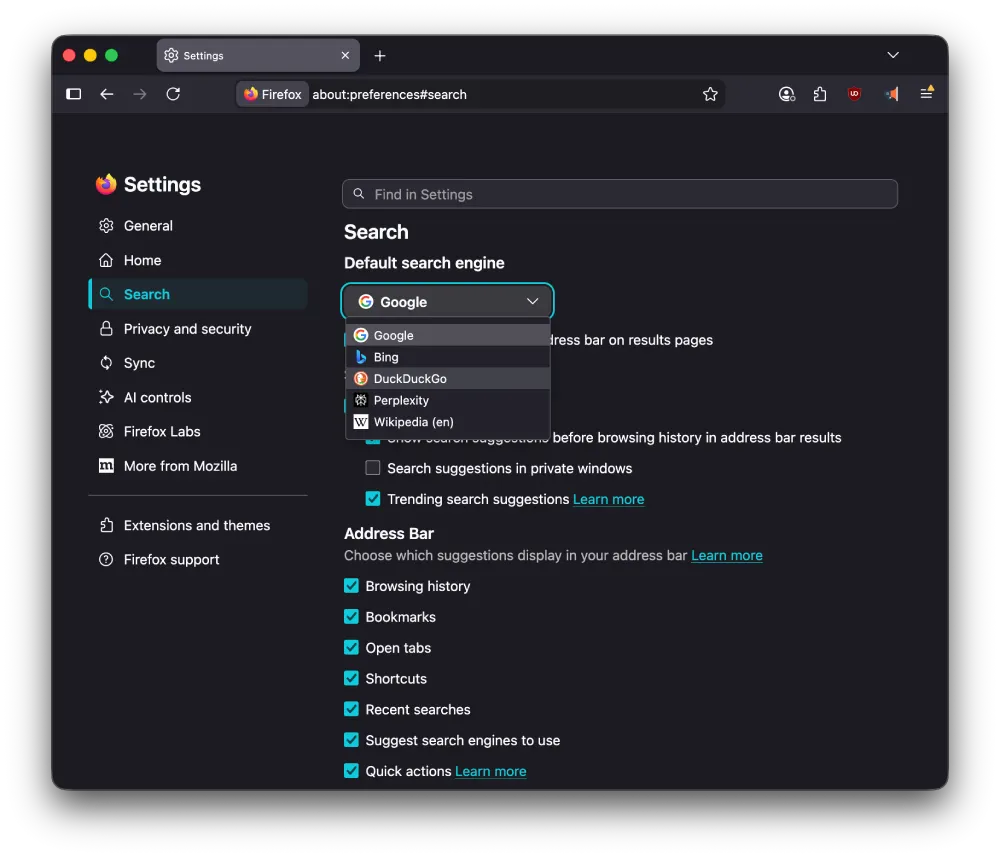
MediaPost reported that Mozilla also cited testimony from its finance chief, who said users were unhappy with Yahoo Search and moved away from it.
That is really the point Mozilla seems to be making here. Getting the default slot in Firefox is valuable, but it is not the same thing as shutting rivals out if users can change the setting and actually do.
Mozilla has been saying something similar in its own public posts. In a blog post last year, it argued that courts should avoid harming browser competition while trying to fix search competition, and said independent browsers still need revenue-sharing deals to survive.
So while this is a court filing, it is also a Firefox story. It goes straight to how Mozilla funds the browser, how much power a default search position really gives Google, and how regulators might change that without making life harder for one of Chrome’s biggest remaining rivals.
Elsewhere, Firefox is also heading into a few user-facing changes. We recently reported that Firefox 153 will force a major sidebar downgrade on everyone next month, while adaptive URL autofill is finally rolling out on the browser too, though not for everyone yet.


Dwayne Cubbins
3068 Posts
I cover fast-moving stories across apps, online platforms, and everyday tech — phones, wearables, consoles, and whatever else people are fighting with this week. Bugs, rollouts, scams, policy enforcement, and the occasional internet-culture rabbit hole are all fair game. My goal is simple — make confusing tech news readable. When I'm not working, I'm working out or chilling with my dog. Got a tip? You can find me on X @dcubbins.
Next article View Article