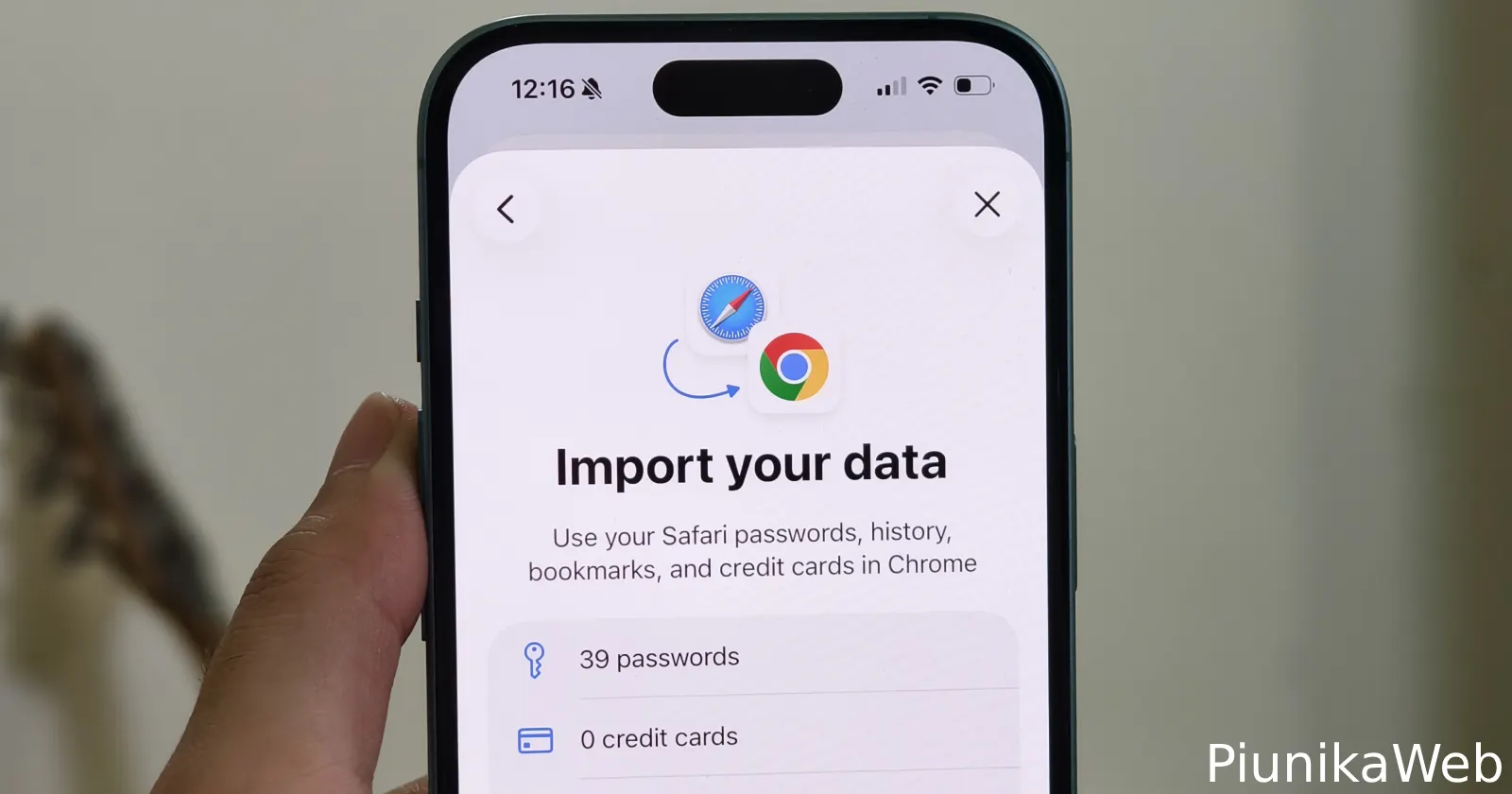
Apple seems to be running a global advertising campaign for Safari. The company wants everyone to know the browser blocks data trackers. They even released a new short film called “Clingers” to kick things off.
The video shows physical manifestations of web trackers following users around. It relies on humor to explain a technical privacy issue. Apple is pushing this message across multiple platforms simultaneously.
That said, Apple is doing more than just videos to promote Safari. Just a few days ago, an X user in India (@sauravv_x) also shared a picture of Safari billboards in the capital city, Delhi.

The digital ads mimic the feeling of trackers watching you online. Safari includes built-in features to block this kind of surveillance. Intelligent Tracking Prevention uses on-device machine learning to stop cross-site tracking. This tool works without breaking website functionality.
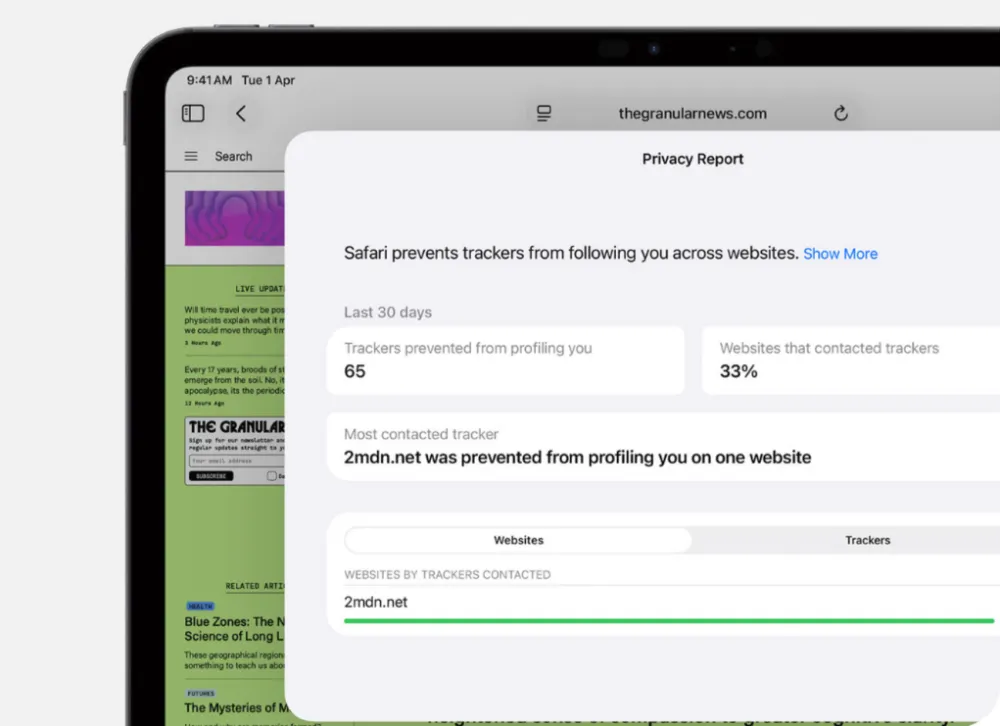
Users can view a Privacy Report directly from the Safari toolbar. This report lists every blocked cross-site tracker. You can also access it from the Safari start page.
The browser also fights device fingerprinting. Advertisers often use device configurations and installed fonts to identify users.
Safari presents a simplified system profile to make devices look identical to trackers. This protection runs by default. You don’t need to turn it on manually.
Apple built extra controls for browser extensions. Extensions can sometimes monitor browsing habits and keystrokes. They take note of what you type and what you browse. Safari lets you grant extension access for a single day. You can also restrict access to specific websites only.
Apple upgraded Private Browsing mode recently. Link Tracking Protection removes tracking parameters from the ends of URLs. You can also lock private tabs behind Face ID or Touch ID authentication.
What’s ironic about this is that at the very same time, Google just failed to kill a massive Chrome privacy lawsuit. So Apple’s push to promote Safari around the world couldn’t have come at a better time.
A federal judge ordered Google to answer for tracking users who thought their browsing was invisible. Users sued Google for grabbing data even when they didn’t sync Chrome with a personal account.
Chrome holds the vast majority of the global market share, while Safari controls about fifteen percent. Apple wants to change those numbers by hammering on privacy.
The new video portrays data brokers as creepy individuals reading over a user’s shoulder. They follow people into taxis and coffee shops. The browser eventually swarms the trackers and deletes them. Apple ends the video by calling Safari a browser that’s actually private.
The physical billboards act as the main real-world anchor for the campaign. Apple aims to blanket cities with the anti-tracking message, as reported by some media outlets.
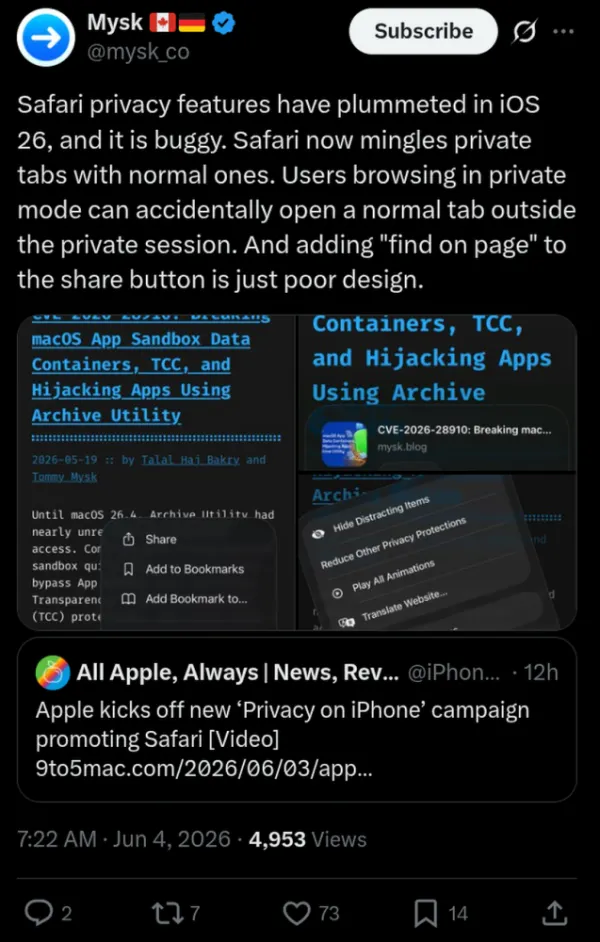
However, despite Apple’s massive marketing push highlighting Safari’s security, prominent security researchers are pointing out that the actual user experience in recent updates tells a distinctly different story. Mysk recently noted on X that Safari’s privacy features have actually plummeted in the iOS 26 update due to newly introduced bugs that confusingly mingle private tabs with normal ones. According to their findings, users browsing in private mode can now accidentally open a normal tab outside of their secure session, which significantly undermines the exact protections Apple is currently advertising.
So the browser’s current functionality might be lagging behind its ambitious privacy campaign.
P.S. If you spot Safari billboards in the wild, feel free to tag us on X (@PiunikaWeb), and we’ll feature them here.


Dwayne Cubbins
3104 Posts
I cover fast-moving stories across apps, online platforms, and everyday tech — phones, wearables, consoles, and whatever else people are fighting with this week. Bugs, rollouts, scams, policy enforcement, and the occasional internet-culture rabbit hole are all fair game. My goal is simple — make confusing tech news readable. When I'm not working, I'm working out or chilling with my dog. Got a tip? You can find me on X @dcubbins.
Next article View Article