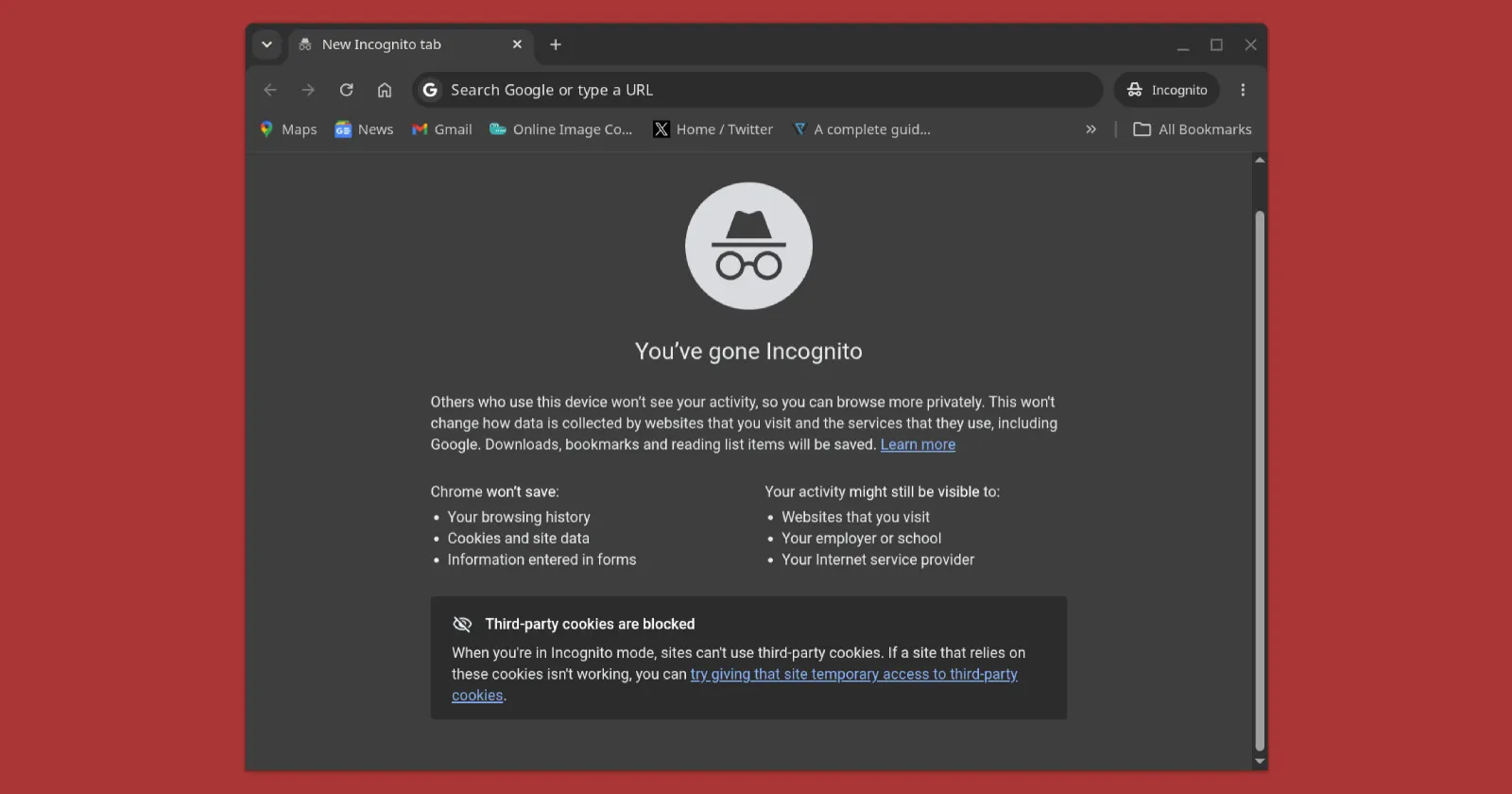
Google must face a massive privacy lawsuit after a federal judge rejected the company’s attempt to kill the case. Courthouse News Service reported the decision. US District Judge Yvonne Gonzalez Rogers ruled that Google has to answer for tracking users who thought their browsing was invisible.
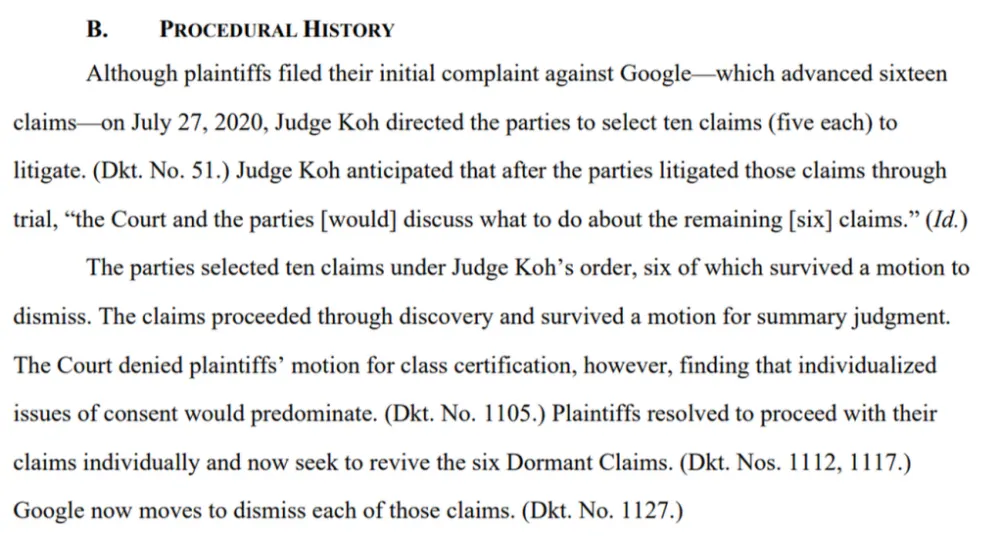
Users filed the class-action lawsuit back in 2020. Plaintiffs say Google tracked their internet activity even when they chose not to sync Chrome with a personal account.
Google promised users that Chrome would not send personal data to its servers without sync turned on. The browser secretly sent location details, tracking cookies, and full browsing histories anyway. This tracking triggered even if a user did not own a Google account.
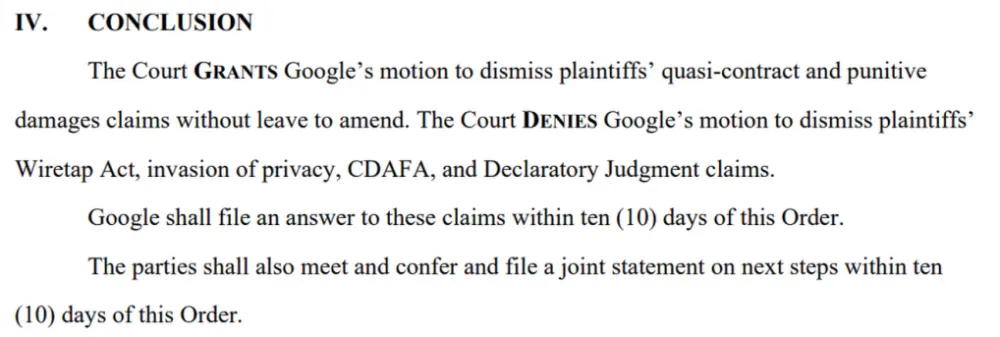
The official court order keeps four major legal claims alive. Google still faces heavy charges for illegal wiretapping and invading user privacy under California computer laws. The company cannot shake these core accusations.
That said, the judge dropped two minor parts of the lawsuit. She threw out a claim about unfair contracts and blocked a request for immediate punitive damages.
Google argued that website owners allowed this tracking by voluntarily putting Google code on their sites to use advertising services. Judge Gonzalez Rogers completely rejected that defense. Google provided no proof that website owners knew the company was grabbing data from users who disabled tracking features.
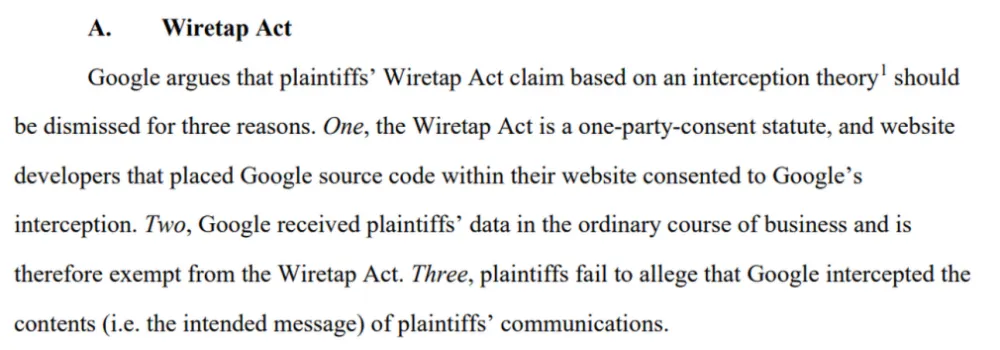
The search giant also claimed it collected this data during normal business operations. The court disagreed with that stance, even though Google said it only took basic computer logs and not any personal messages.
The judge decided that complete website addresses count as protected communication content. Exact web links show your personal interests, search queries, and medical or financial habits.
Judge Gonzalez Rogers explicitly called this kind of secret tracking highly offensive. Users have every right to expect privacy when a company promises it.
Google must file a formal answer to these remaining charges within ten days. Both legal teams have that same ten-day window to submit a joint statement on next steps.
We’ll keep track of the situation and will share additional details accordingly.


Dwayne Cubbins
3101 Posts
I cover fast-moving stories across apps, online platforms, and everyday tech — phones, wearables, consoles, and whatever else people are fighting with this week. Bugs, rollouts, scams, policy enforcement, and the occasional internet-culture rabbit hole are all fair game. My goal is simple — make confusing tech news readable. When I'm not working, I'm working out or chilling with my dog. Got a tip? You can find me on X @dcubbins.
Next article View Article