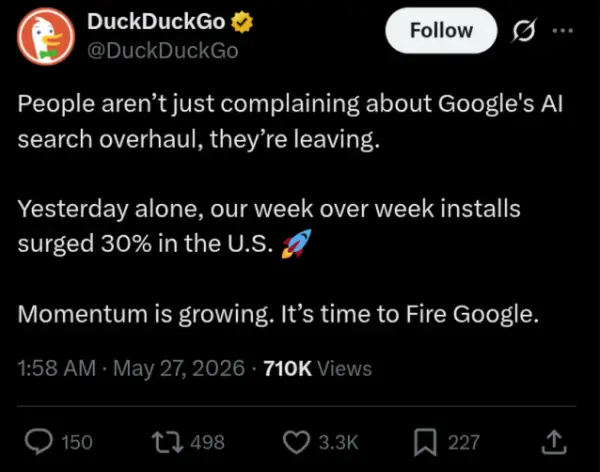
DuckDuckGo posted on X a couple of days ago that its app installs jumped 30 percent in a single day in the US. The company blamed Google’s AI overhaul in Search. People are not just complaining anymore, DuckDuckGo said. They are leaving.
The numbers back up at least part of that claim. Installs rose an average 18.1 percent week over week from May 20 to May 25, peaking at 30.5 percent on the 25th. iOS growth ran higher still. App analytics firm Apptopia saw roughly 29 percent more daily US downloads over the same stretch, while growth outside the US stayed much smaller. Visits to DuckDuckGo’s no-AI results page (https://noai.duckduckgo.com/) climbed too.
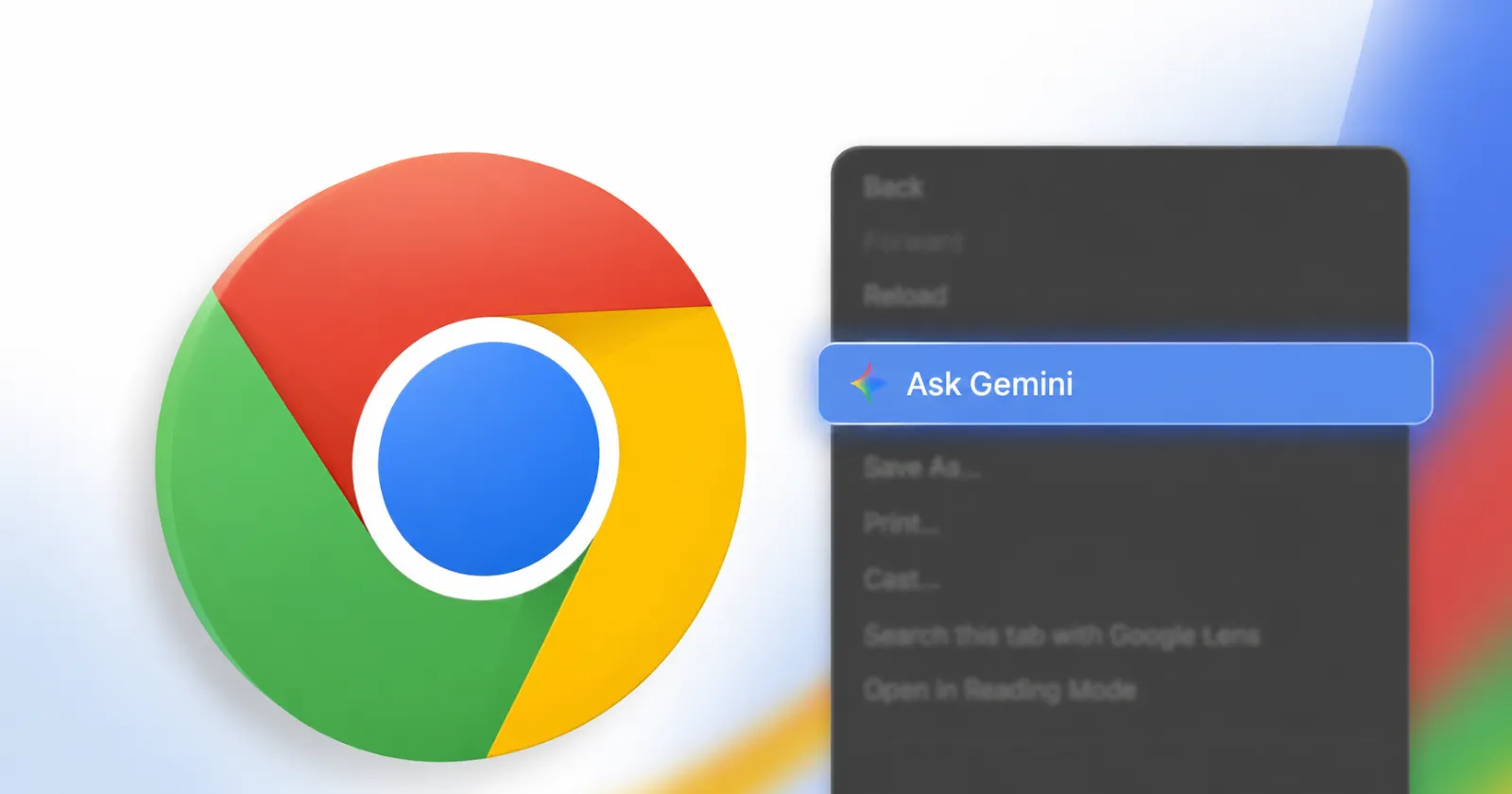
This win for DuckDuckGo came shortly after Google announced massive changes to its Search experience. The company pushed AI Overviews and a conversational AI Mode deeper into the main search experience. The redesigned search box now leans into longer queries and follow-ups that stay inside AI-generated answers rather than sending people straight to web links. Google has highlighted strong uptake, with AI Mode reaching more than a billion monthly users.
DuckDuckGo CEO Gabriel Weinberg called it force-feeding. He said Google gives users no clean way to turn the AI layer off and that search quality has suffered as a result. His company, he argued, lets people decide how much AI they actually want while keeping everything private and out of any training data.
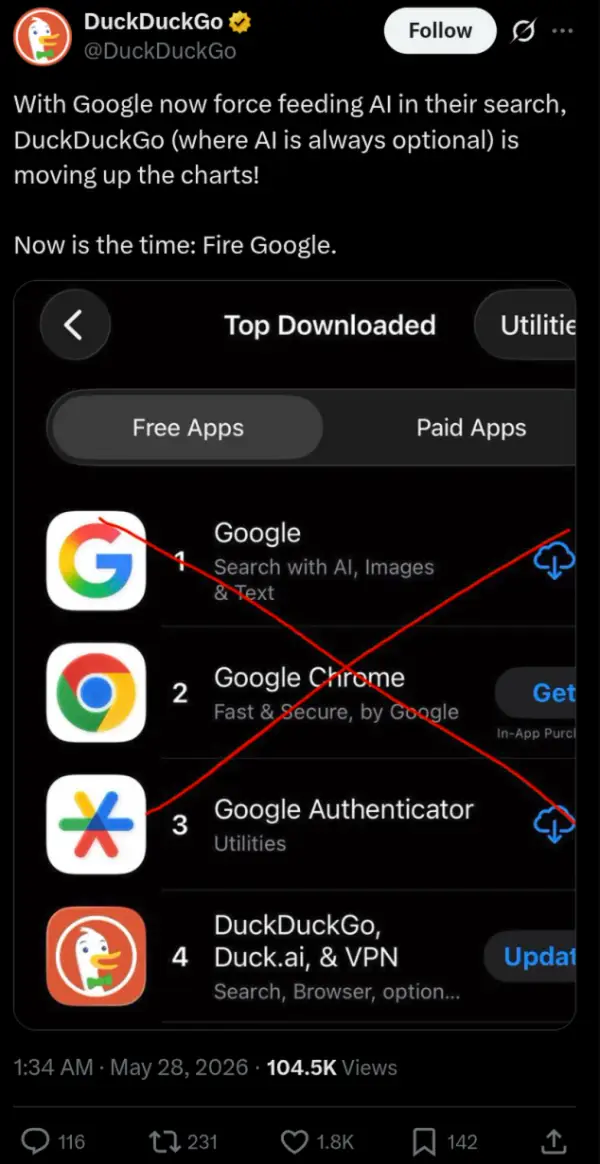
DuckDuckGo already lets users toggle AI features off in settings. The “No AI” subdomain exists for anyone who wants classic results by default. The traffic bump there suggests some people are actively seeking that option.
That said, it’s not all sunshine and roses for the Google Search alternative. If you look at comments under DuckDuckGo’s post boasting about their recent success, you’ll find commentary split along familiar lines.
Some users said they downloaded the app or switched because they are tired of AI summaries that bury direct links or spit out answers that feel off. Others questioned whether DuckDuckGo itself is as private or reliable as it claims, pointing to its use of Bing results or older moderation disputes. DuckDuckGo has addressed those older points on its own help pages.

The company also followed up with another post that kept the contrast simple. Google is betting that search should be all AI. DuckDuckGo is betting that users still want the choice to skip it.
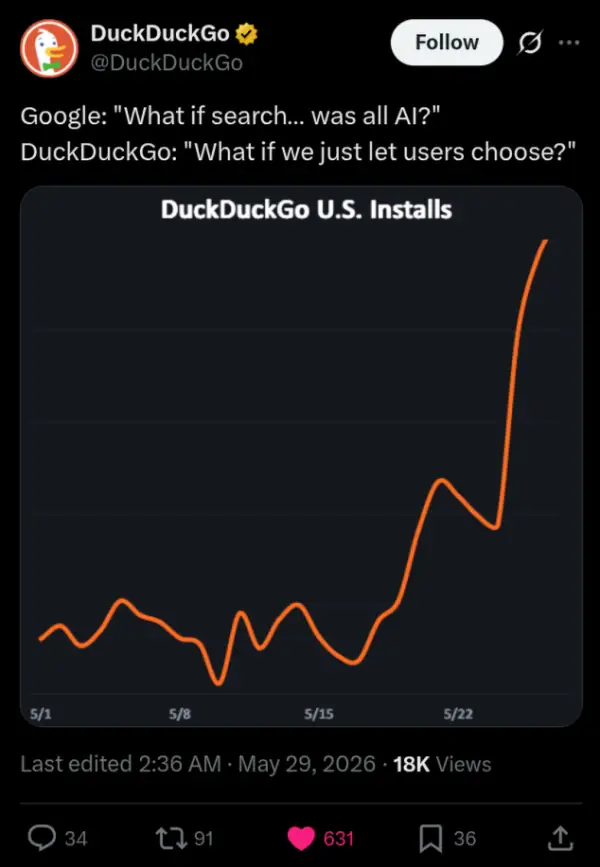
DuckDuckGo holds about 1.8 percent of the US search market. The percentage gains came from a small base, and one strong week does not prove the new users will stick around. Several people in the replies made the same point. Initial downloads are easy to count. What happens after people try the alternative is harder to predict.
Let’s take my own usage, for example. I’ve tried countless times to switch over to DuckDuckGo and Brave Search; however, I always end up back on Google Search for one reason or another. But, with Google burying niche sites and blogs, I do wonder if I’m missing important and useful information each time I run a search on Google. Maybe these changes combined will help push users like me and many others towards alternative platforms eventually.
But for now, Google is still at the top of the search engine food chain and is also fighting to remain there.


Dwayne Cubbins
3078 Posts
I cover fast-moving stories across apps, online platforms, and everyday tech — phones, wearables, consoles, and whatever else people are fighting with this week. Bugs, rollouts, scams, policy enforcement, and the occasional internet-culture rabbit hole are all fair game. My goal is simple — make confusing tech news readable. When I'm not working, I'm working out or chilling with my dog. Got a tip? You can find me on X @dcubbins.
Next article View Article