


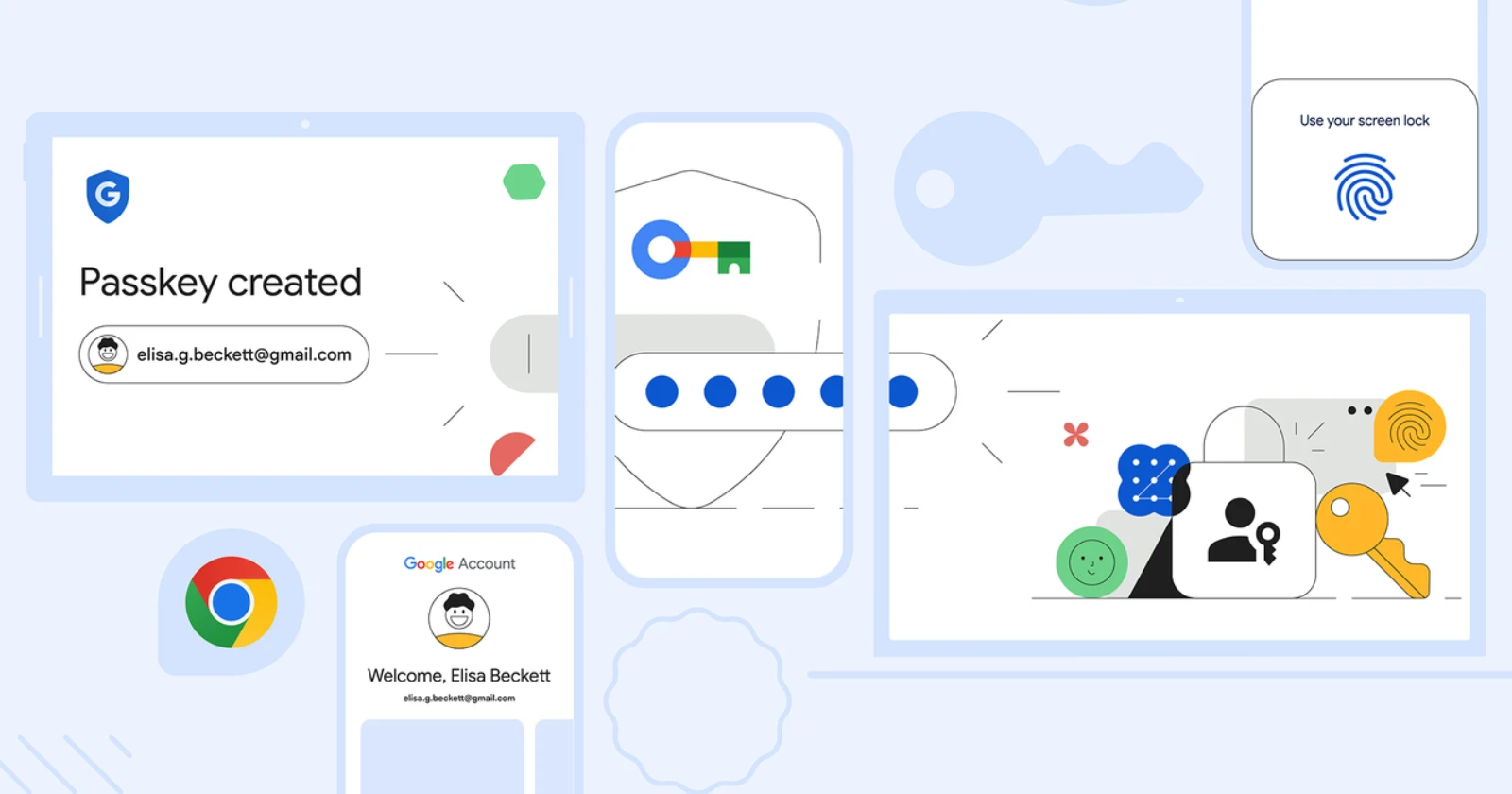
Logging into a website only to be asked for your credentials again on its sister site can be a bit frustrating! It’s easy to feel like your browser doesn’t remember you, especially when you know both sites belong to the same company. Wouldn’t it be great if we could just log in once and enjoy seamless access across all related sites?
This problem stems from the fact that web browsers strictly isolate different domains to protect your privacy and stop phishing attacks. Even though Google recently made moving your browser logins to a new manager ridiculously easy on Android, a passkey created on one website is still locked to that specific web address by default.
According to Google’s developer blog post, Czech tech giant Seznam ran right into this wall while trying to unify logins across its massive network of websites. While users see mapy.com, sport.cz, and seznam.cz as one connected service, the browser notes that “these are three unrelated sites, and each one keeps its own cookies, saved passwords, and passkeys.”
In the past, companies bypassed this headache by leaning on third-party cookies to quietly track your session in the background. With modern browsers blocking third-party cookies left and right, that old trick is basically dead.
To get around this, Chrome now supports a WebAuthn feature called Related Origin Requests. It lets a company publish a special verification file on their main website that essentially tells the browser which sister domains are safe to trust.
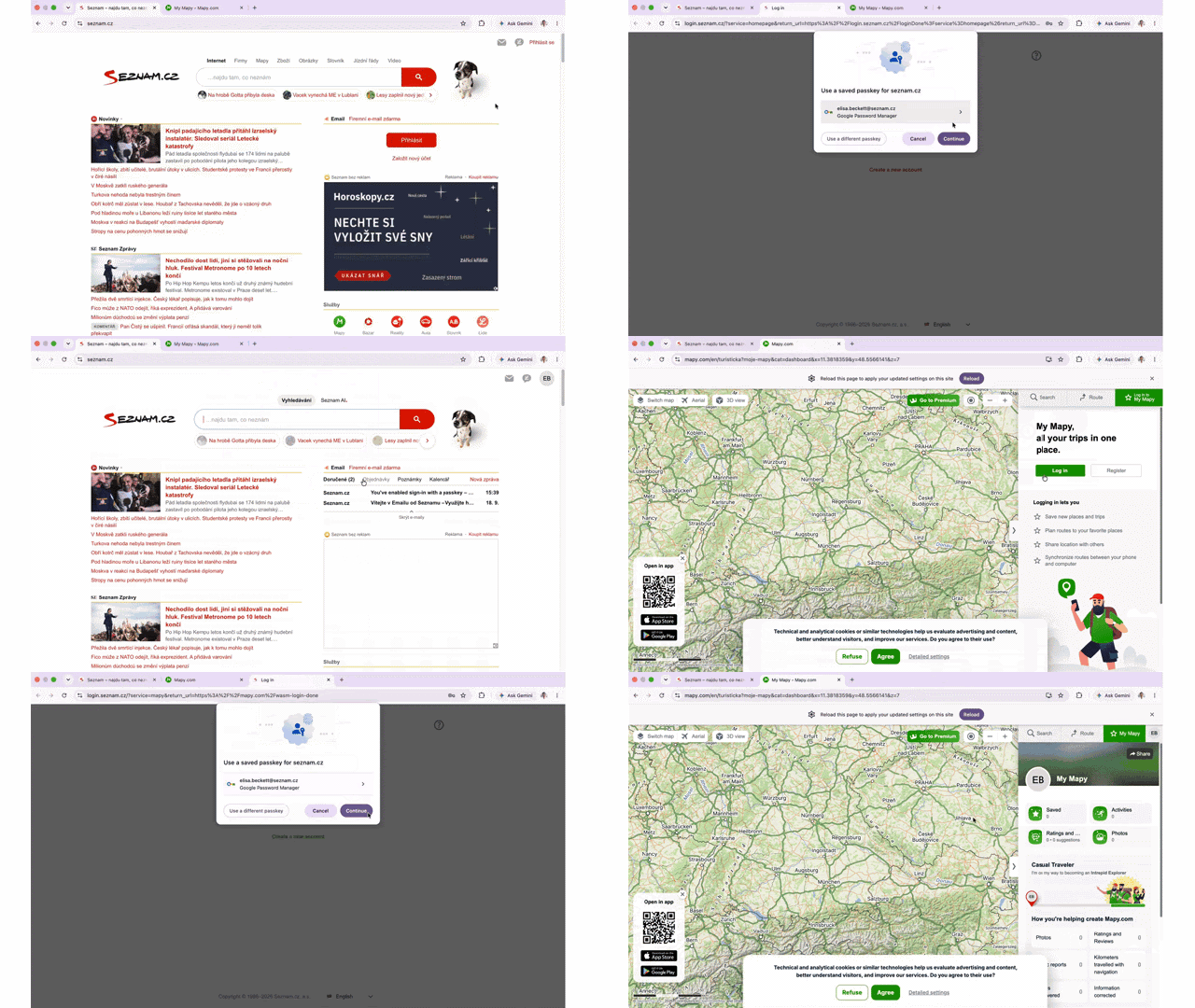
When you try to sign in on one of those connected sites, the browser checks that list, sees that the domains are officially related, and lets your existing passkey unlock the account. Google caps this list at five domains so big tech conglomerates cannot abuse it to link dozens of random properties together.
Because non-Chromium browsers like Safari and Firefox do not all support this API yet, Seznam also built a clever fallback using a tiny key button loaded from their main login page, alongside first-party redirects that hand off sessions without third-party cookies. After rolling out these changes, sign-in completion rates on non-Chromium browsers jumped from 53% to 69%.


Dwayne Cubbins
3214 Posts
I cover fast-moving stories across apps, online platforms, and everyday tech — phones, wearables, consoles, and whatever else people are fighting with this week. Bugs, rollouts, scams, policy enforcement, and the occasional internet-culture rabbit hole are all fair game. My goal is simple — make confusing tech news readable. When I'm not working, I'm working out or chilling with my dog. Got a tip? You can find me on X @dcubbins.