






If you browse the web without an ad blocker, you’ve probably noticed that when you open some websites, the content you came there for is buried under an avalanche of auto-playing videos, sticky banners, or some other kind of advertising clutter. All this tanks the browsing experience and even makes it hard to separate the content from the ads.
Now, Google wants to analyze how these ads affect the experience on websites by putting some cold numbers on them.
In a recent blog post, Google announced that it has rolled out a new set of experimental ad metrics inside the Chrome User Experience Report (CrUX).
Rather than guessing whether a site feels too crowded, the new tools are designed to measure what real visitors actually see on their screens.
This is possible because Google will track four main areas. One metric measures the average number of ads visible on your screen at any given moment. Another looks at the total slice of the display area that those ads take up.
The other two metrics look at the raw weight of those ads, specifically how much network data they download and how many milliseconds of processor power they chew through while you try to read.
In a thread on Bluesky, a Chrome engineer named Barry Pollard explained that these measurements “could enhance how they [ad ecosystem stakeholders] value ad opportunities and make ad product decisions.”

They also shared a link to a discussion group for additional feedback about the project.
In the blog post, Google also said that everyone knows an overwhelming ad layout when they see one, but putting actual numbers behind that annoyance has always been tricky.
With this, Chrome will now sample the screen about once every second to see what shows up, while tallying up data and processing load across the entire visit.
Meanwhile, you can already check out how certain domains perform by plugging them into the Google CrUX Vis tool. This may or may not work for you, considering that the data is still being populated.
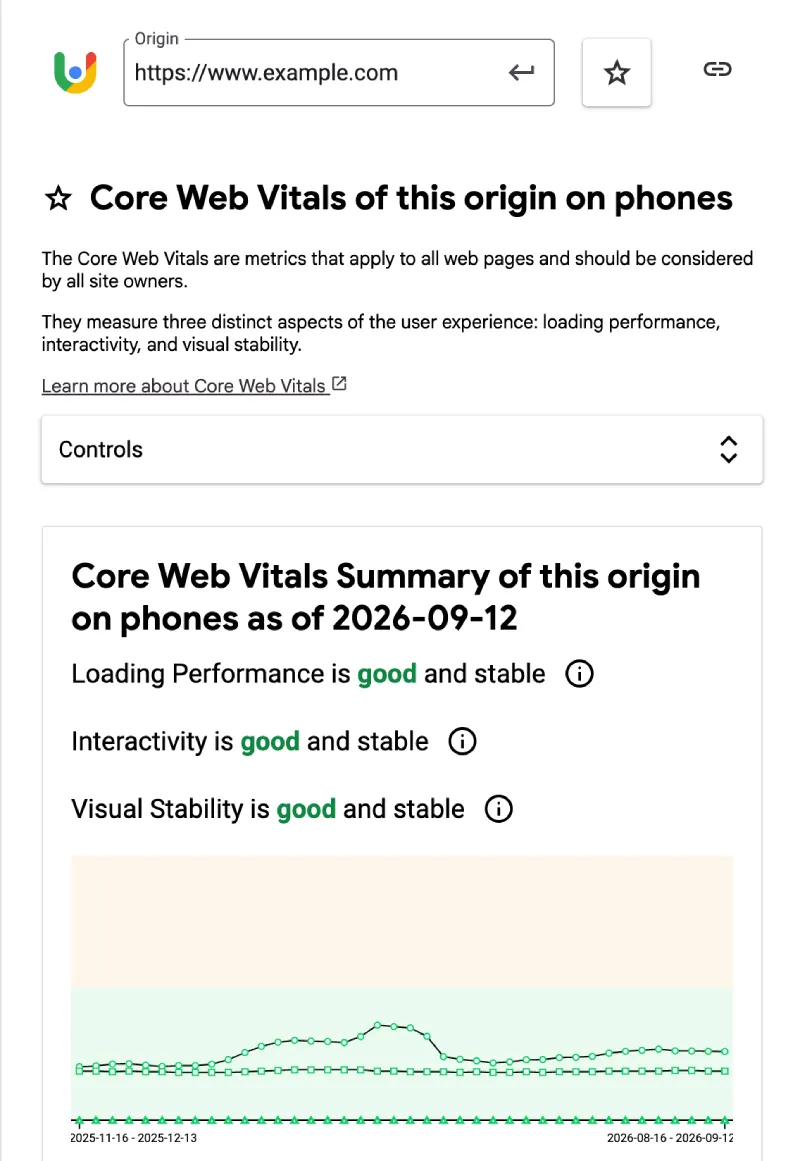
One important thing to note is that Google is treating these metrics as experimental. They are not tied to search rankings or Core Web Vitals. Google, however, hopes that websites will tidy up their ad-heavy sites by having this data in the eyes of the public.


Dwayne Cubbins
3025 Posts
I cover fast-moving stories across apps, online platforms, and everyday tech — phones, wearables, consoles, and whatever else people are fighting with this week. Bugs, rollouts, scams, policy enforcement, and the occasional internet-culture rabbit hole are all fair game. My goal is simple — make confusing tech news readable. When I'm not working, I'm working out or chilling with my dog. Got a tip? You can find me on X @dcubbins.