





If you use an iPhone, there’s a good chance that you still use Safari on your device, even if you prefer other browsers like Brave or Firefox. The main reason for this is that Safari supports extensions like content blockers and page tweakers.
Apple officially released WebKit extension hooks with iOS 18.4. At the time, many users assumed the same add-ons support pipeline would trickle down to other third-party browsers. Unfortunately, that didn’t happen, and it’s still not happening, at least not any time soon.
Still, that hasn’t stopped users from trying to figure out what’s going on. In a recent post, Zcash founder Zooko Wilcox said that he had to leave Brave for Safari to run extensions like Control Panel for Twitter (X).

Brave’s CEO Brendan Eich added his two cents, noting Apple’s tight grip on the platform. Then, a senior staff engineer at Brave, Kyle Hickinson, jumped in to explain what’s going on.
According to Kyle, having access to Apple’s newer web extension tools does not actually translate to running your favorite Safari extensions inside another browser.

For starters, Apple flat-out does not expose any of your installed Safari extensions to third-party browsers.
Beyond that barrier, most popular Safari add-ons rely on native companion apps to configure settings or sync preferences, and alternative browsers cannot communicate with those apps at all.

And that’s not all. There are limits to what extensions can do even when paired with Safari. For example, they cannot run background scripts, which can be a dealbreaker for some users.
“If we support the API as is we could allow you to install basic standalone manifest 3 extensions,” Kyle explained, while adding that there is still no marketplace outside the official App Store to easily find or install them.

That leaves manual sideloading in developer mode as the only hypothetical workaround, something virtually no everyday user is going to mess with.
It is an unfortunate bottleneck, especially since Brave has gone out of its way to preserve extension freedom on desktop, which we highlighted earlier.
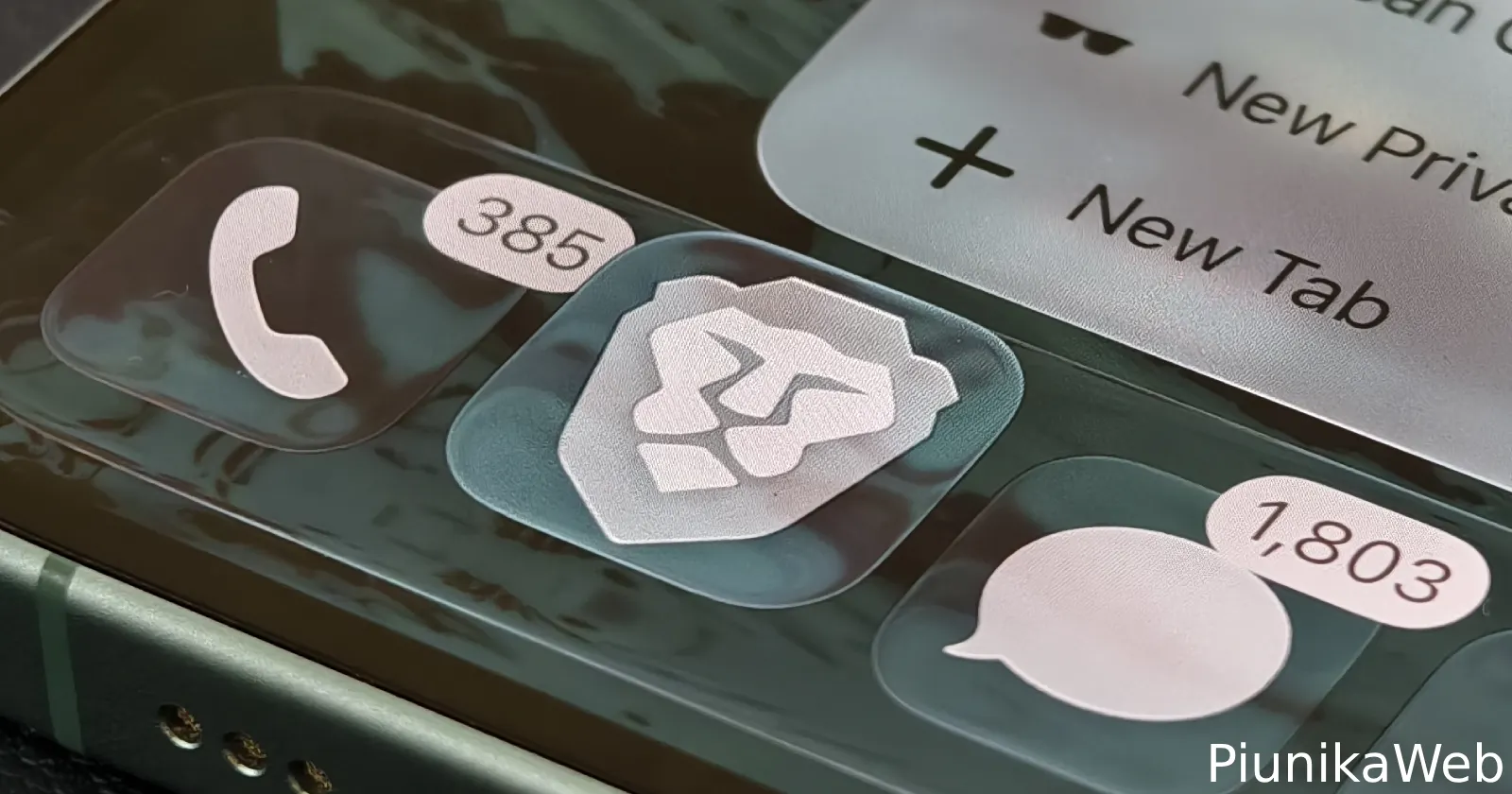
That said, while Brave can’t match extension support in Safari, it’s slowly catching up to Safari with its Liquid Glass UI revamp. We showcased some of the new Liquid Glass elements last month. You can check those details out here.


Dwayne Cubbins
3014 Posts
I cover fast-moving stories across apps, online platforms, and everyday tech — phones, wearables, consoles, and whatever else people are fighting with this week. Bugs, rollouts, scams, policy enforcement, and the occasional internet-culture rabbit hole are all fair game. My goal is simple — make confusing tech news readable. When I'm not working, I'm working out or chilling with my dog. Got a tip? You can find me on X @dcubbins.