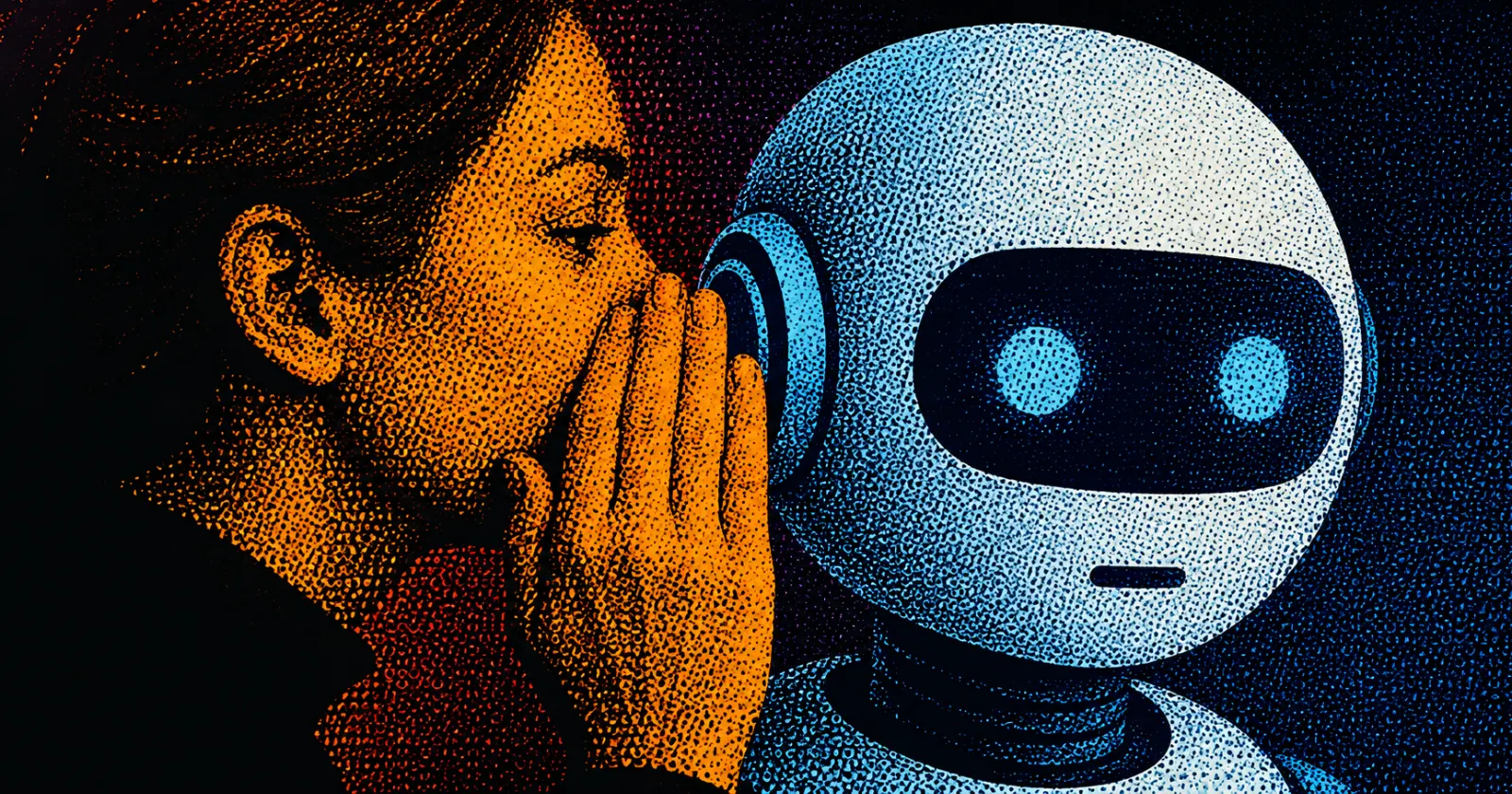
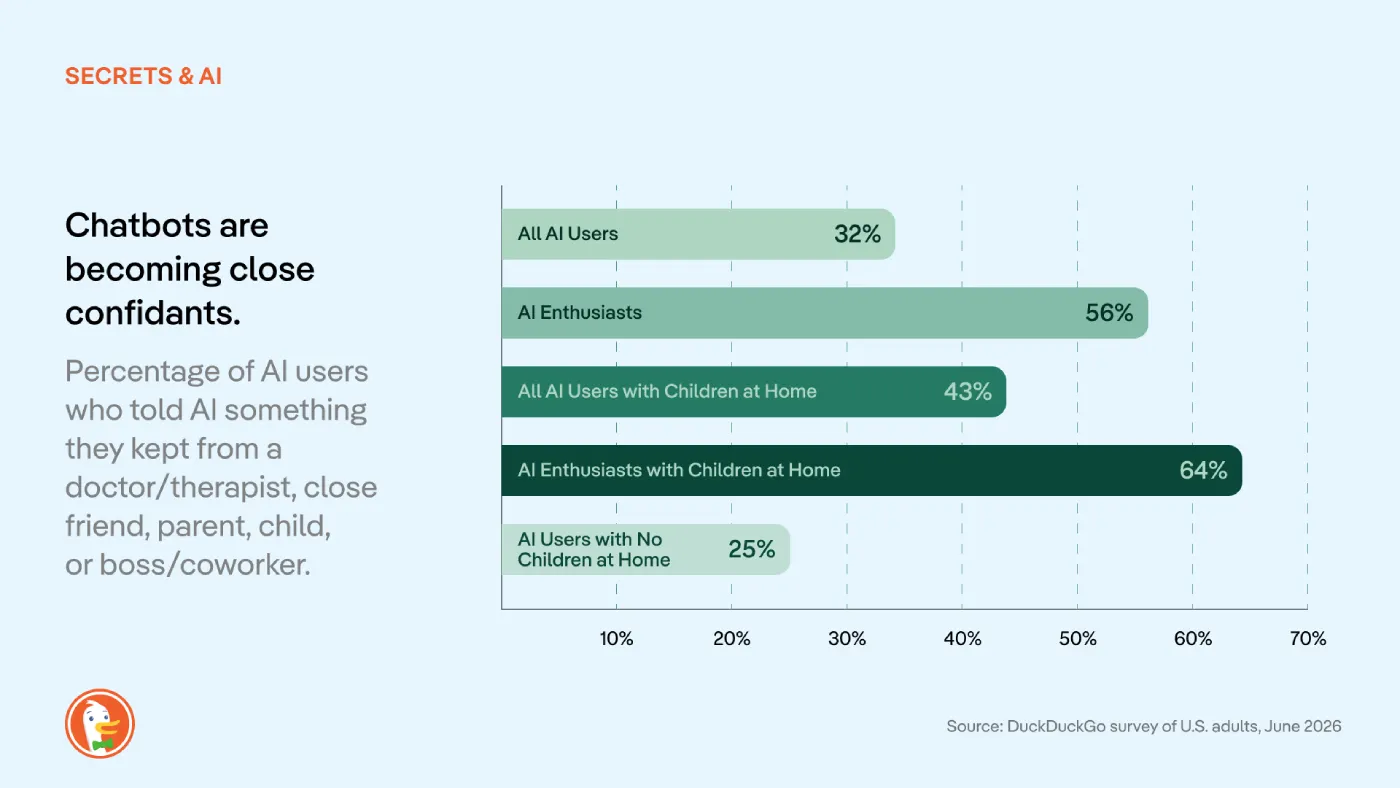
It seems many people are using AI chatbots as a confessional booth for the sins of the everyday person. According to a DuckDuckGo survey, 1/3 of respondents said they admitted secrets to an AI chatbot that they never told their best friend, parents, or doctors. Meanwhile, 56% of regular AI users said they confide in chatbots about personal issues.
All this is also happening at a time when just about every major browser is rolling out quick access to AI-powered answers, like Chrome’s AI Mode, which just expanded to folks in the UK and Mozilla’s new quick answers feature in Firefox. So it won’t be surprising if this trend becomes the new norm instead of being shocking.
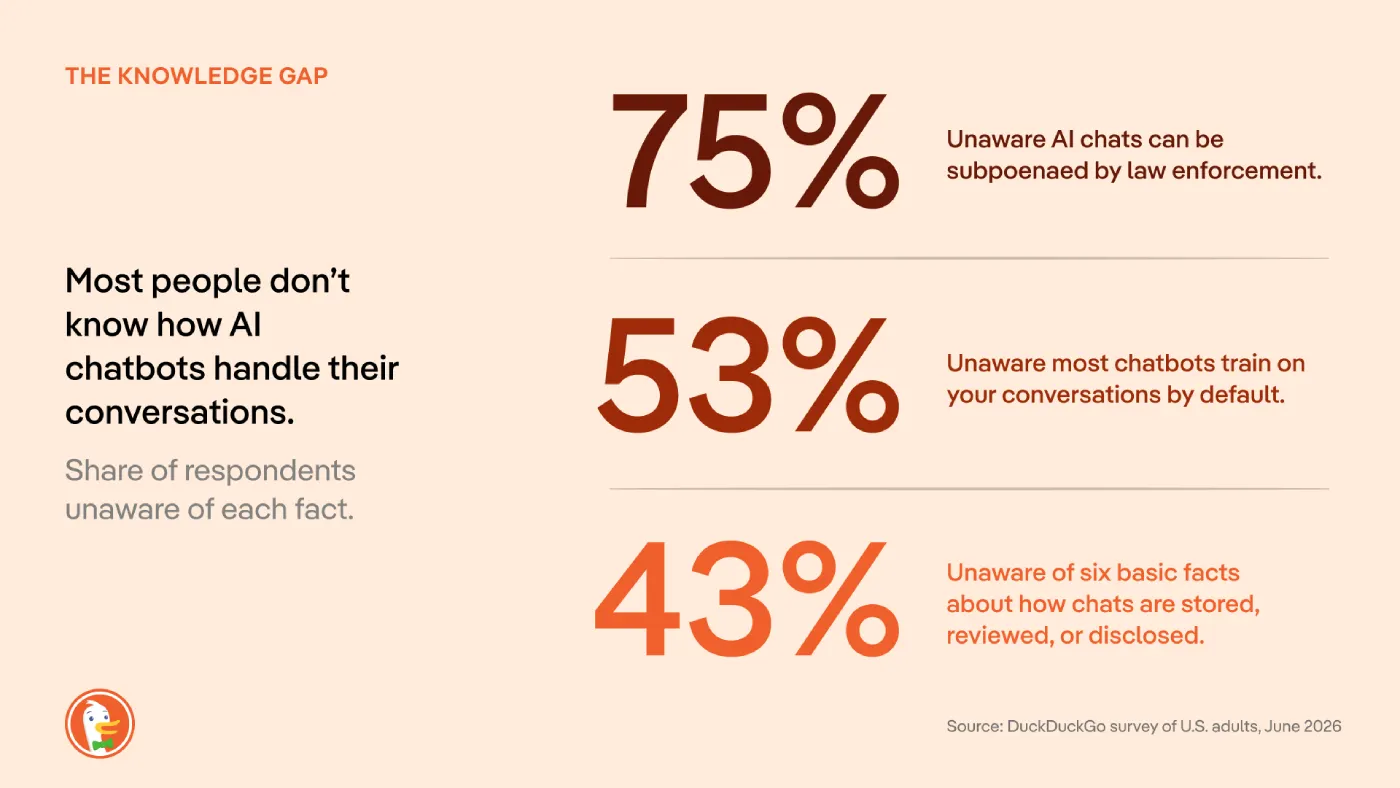
The survey said that DuckDuckGo learned that “for many people, AI chatbots serve as a judgement-free place to confide in, confessing things they would never tell another human being.” Unlike a therapist’s office or a doctor’s office, most AI chatbots keep a record of what goes on during the session. It is also notable that 53% of respondents were not aware that their chats were used to train AI models.
Parents seem to be the most likely to confess to an AI chatbot since 43% said they shared something with an AI chatbot that they kept secret from everyone, including their spouses. This is significantly higher than non-parents. Between the stresses of home life and work life, it seems like parents are more likely to turn to an AI chatbot for advice.
People would rather deal with problems themselves than discuss them with someone.
The survey also asked what percentage of people knew their chats could be reviewed by human moderators and the results were surprising. Only 25% of respondents knew that court orders or subpoenas could compel companies to turn over chat records, according to DuckDuckGo.
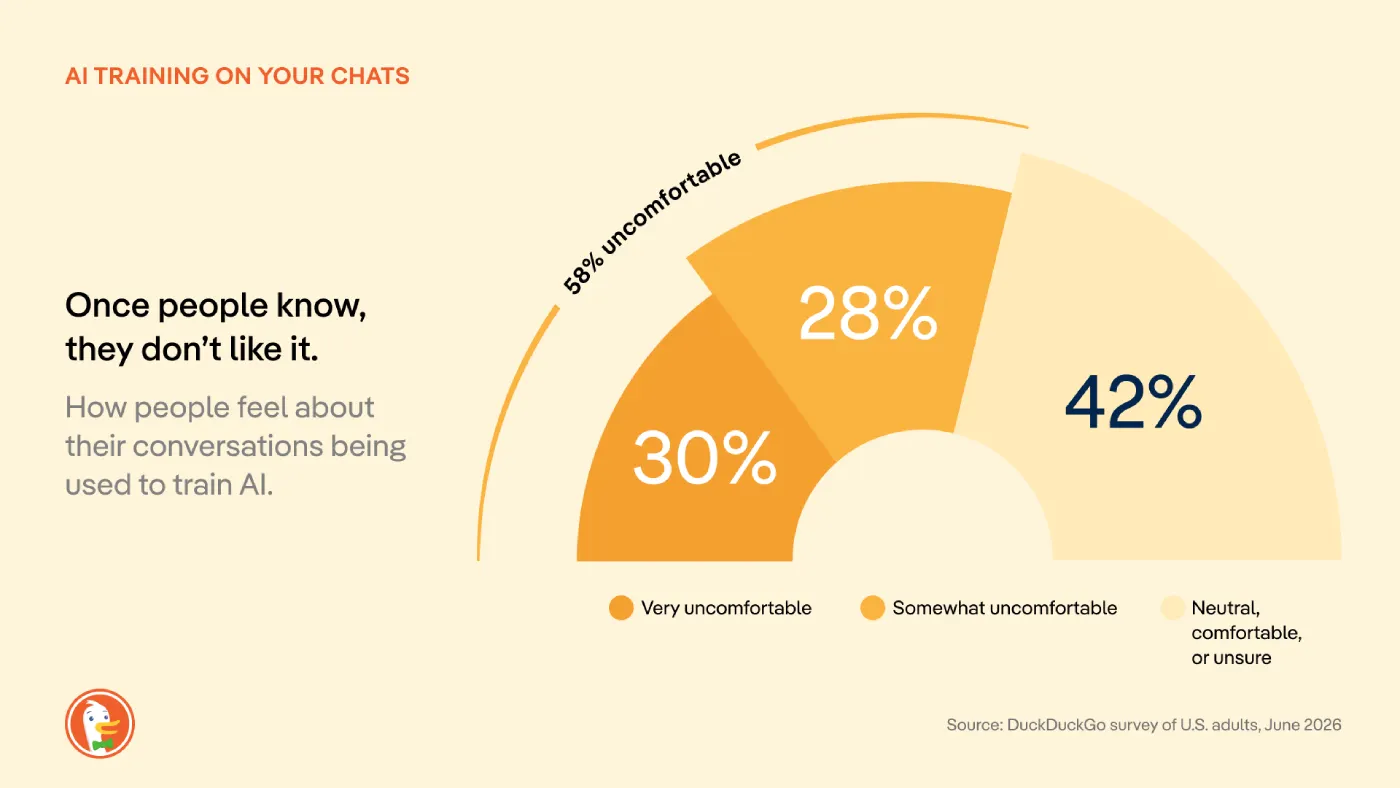
After respondents realized that their chats were being shared with others, the number of people who felt uncomfortable discussing their chats rose to 58%. No one wants their secrets to be exposed either by word of mouth or data leaks.
Of course, this doesn’t mean people have no privacy-friendly options. DuckDuckGo’s own AI dubbed Duck.ai is a good example of a chatbot that is designed to be private. Matter of fact, the company even added GPT 5.6 Luna to its list of available models. So users can have access to the latest AI models without worrying about their data being sent off to a third-party or being used to train AI models without their consent.
Still, if you wouldn’t want anyone to read your personal journal, a chatbot is not the right place to discuss personal matters.


Dwayne Cubbins
3054 Posts
I cover fast-moving stories across apps, online platforms, and everyday tech — phones, wearables, consoles, and whatever else people are fighting with this week. Bugs, rollouts, scams, policy enforcement, and the occasional internet-culture rabbit hole are all fair game. My goal is simple — make confusing tech news readable. When I'm not working, I'm working out or chilling with my dog. Got a tip? You can find me on X @dcubbins.
Next article View Article