An upcoming technical update to Microsoft Edge will change how the browser detects a computer’s local IP address when it is connected to certain company networks. This shift is aimed at businesses/enterprise managers, so everyday users browsing at home won’t have any changes.
Many times, large organizations force employee internet traffic through special proxy servers for security and control. To manage this automatically, PAC scripts are used.
A PAC script is a file that tells a browser whether to send traffic through a proxy or send it directly. These scripts sometimes need to know the device’s private IP address so they apply the correct rules.
At the moment, Edge figures out the local address using its own internal methods. Microsoft has decided to change the method so that it matches the exact approach followed by Chromium.
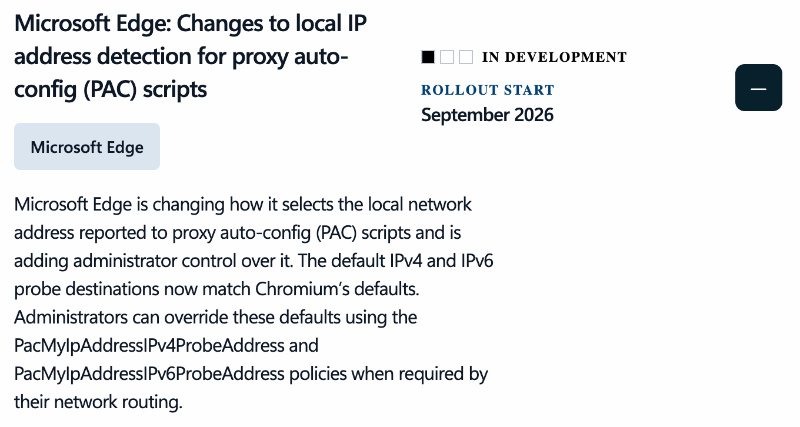
In more practical terms, Edge will now test connectivity to the same standard IPv4 and IPv6 addresses that Chromium uses when trying to identify the local IP. The goal of this change is simple: Consistency. Companies that support both Chrome and Edge will no longer run into small differences in how the two browsers handle this.
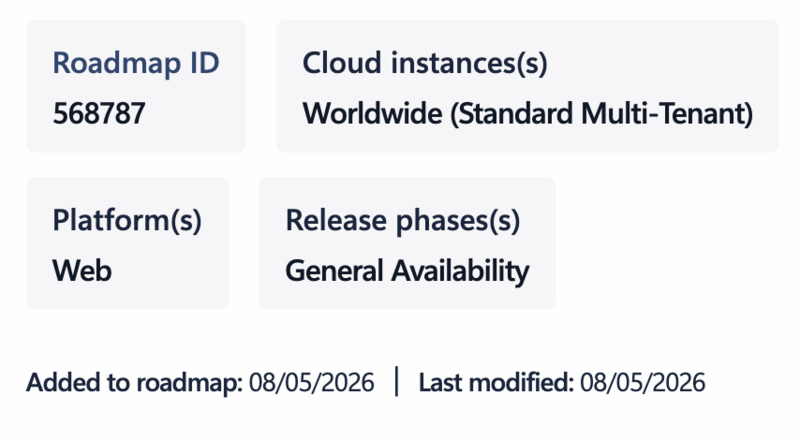
This change was initially reported by the folks at Windows Report, though Microsoft confirmed this change through its official roadmap under Feature ID 568787. The update is scheduled to begin rolling out on Edge in September 2026.
This behind-the-scenes networking tweak largely matters only to system administrators managing company devices. It’s a simple technical inconsistency clean-up that makes maintenance easier.
In other Edge news, the browser is following Chrome and dropping MV2 extensions soon. Thankfully, users retain other options such as Brave and Firefox for MV2 extensions. More on that here.


Sudhanshu K
321 Posts
I have been a consumer technology enthusiast for over 5 years. Thanks to my experience in software beta testing and product reviews, I've understood and learnt a lot about what bugs and issues bother people, and I spend time trying to simplify their solutions. I cover smartphones, software, social media, apps, AI, and most consumer tech gadgets. Actively pursuing a Computer Science bachelor’s degree. I'm mostly active on Twitter/X (@TechWhirlUlt), drop a DM or tag me if you want to share info or connect!
Next article View Article