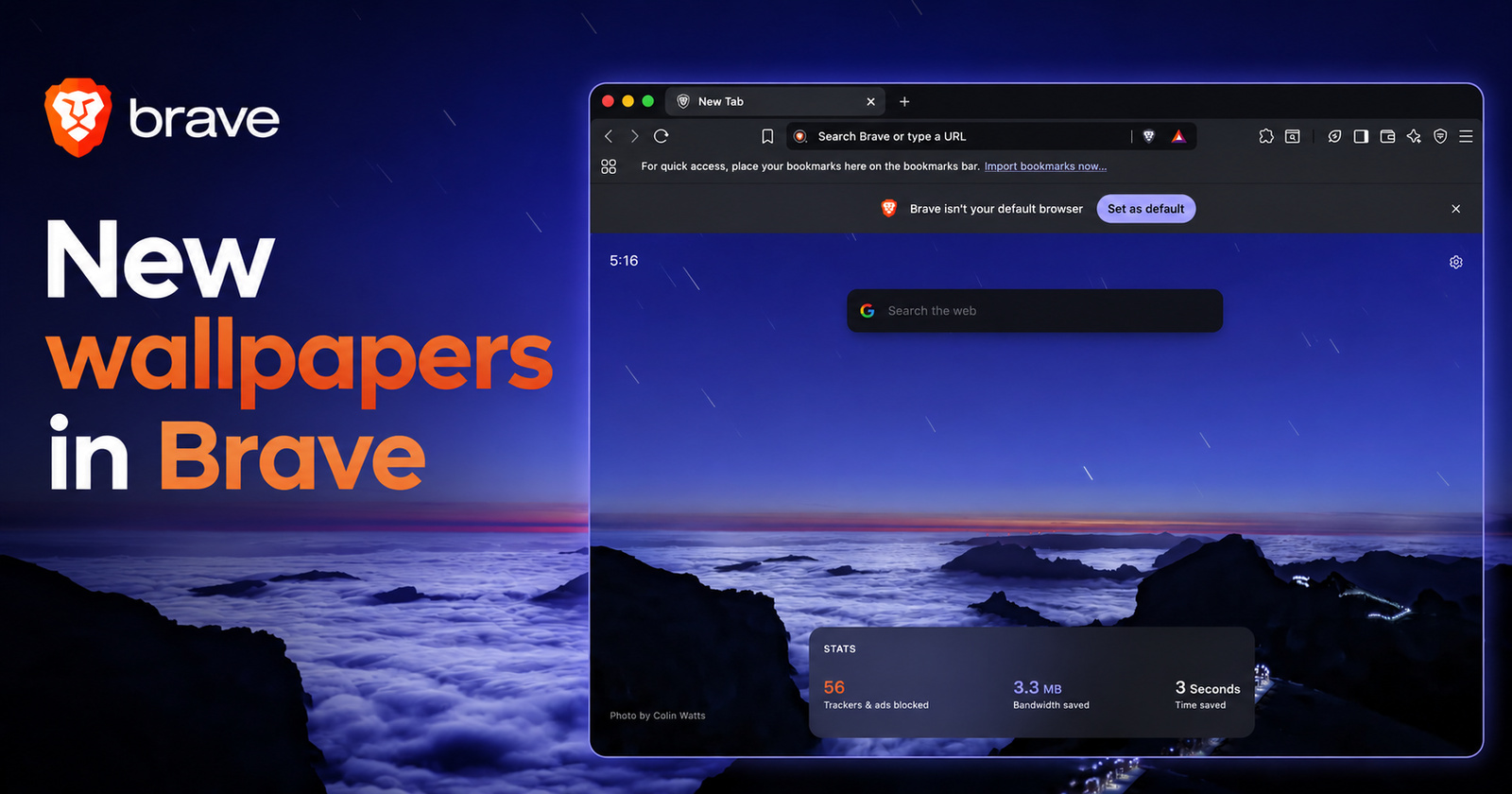
Brave has unveiled BAT Roadmap 4.0, and while the announcement includes a redesigned Wallet, a new Rewards Card, and several payment upgrades, one proposal stands out from the rest. The privacy-focused browser maker wants to build a system that compensates creators whenever AI products use their content, a growing concern as AI tools increasingly summarize and generate answers from websites without sending readers back or paying publishers.
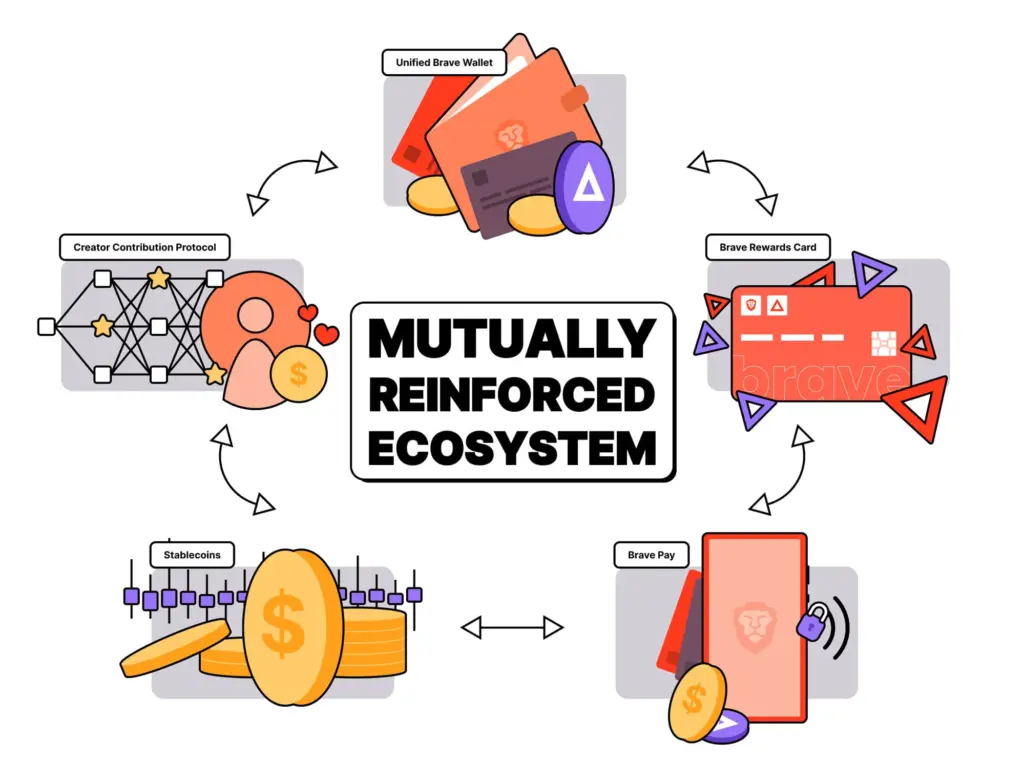
The initiative, called the Creator Contribution Protocol, aims to create a verifiable way for AI products, publishers, and creators to interact. Under Brave’s vision, verified creators would receive micro-payments whenever participating AI systems use their content in qualifying ways. The company believes creators deserve a share of the value AI generates from their work instead of watching traffic and revenue disappear as AI-generated summaries become more common.
The timing is particularly notable. Meta is under fire after rolling out its new Muse AI feature on Instagram, which can generate AI images based on people’s public Instagram photos. Users with public accounts are automatically opted in, sparking criticism over consent and creator rights. Against that backdrop, Brave’s proposal to compensate creators when AI systems use their work offers a sharply different vision for how AI and creative content could coexist.
It’s an ambitious idea, but Brave may have a head start. The company already has millions of verified creators and websites enrolled in its Brave Creators program, giving it an existing ecosystem that could eventually plug into this new AI compensation model. Brave says it’ll share more technical details later this year as development progresses.
Of course, BAT Roadmap 4.0 isn’t only about AI. Brave is also planning one of the biggest overhauls its browser ecosystem has seen since Brave Rewards launched.
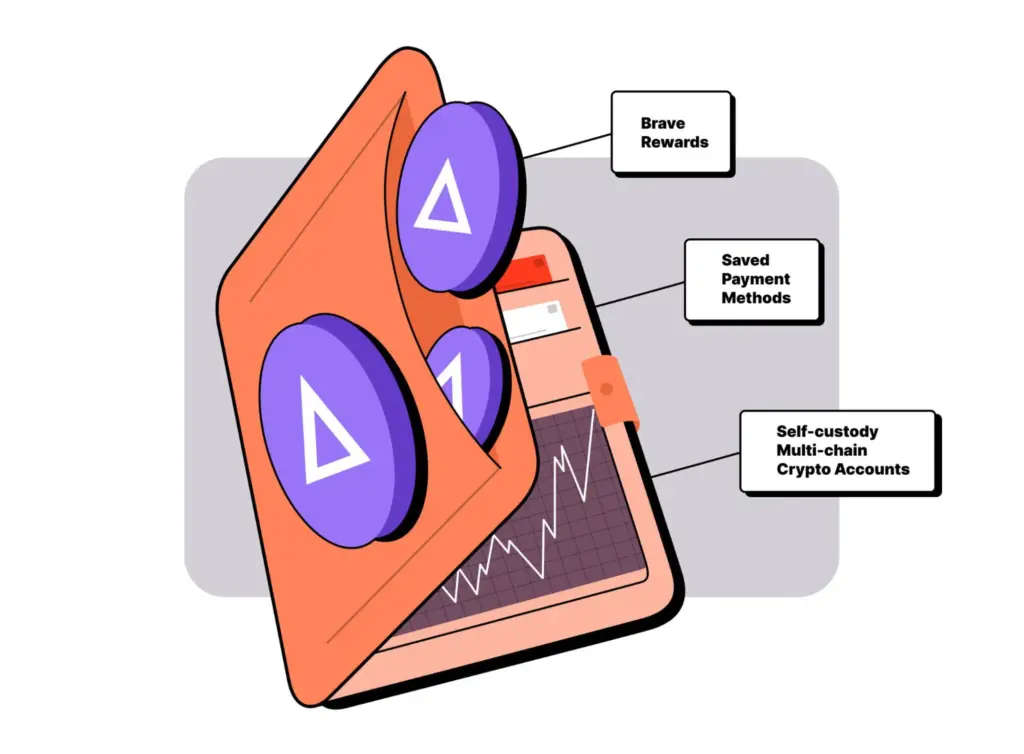
The browser-native Brave Wallet is getting a complete redesign that combines traditional payment methods, self-custody crypto accounts, and Brave Rewards into a single interface. Instead of juggling separate tools, users will be able to manage debit and credit cards alongside their crypto holdings and BAT rewards in one place. Rewards earned from purchases and wallet activity will also appear directly inside the wallet.
Brave is also preparing to launch the Brave Rewards Card, available as both a virtual and physical payment card in eligible countries. The idea is simple: use the card for everyday purchases and earn BAT in return. I think this is an interesting shift because it extends Brave Rewards beyond browsing, making BAT useful during routine shopping whether you’re buying online or paying in-store. Brave hasn’t yet revealed supported countries or reward rates, but those details are expected in a future announcement.
Powering much of this is BravePay, a new privacy-focused payment layer built around stablecoins. Brave says it will support easy onboarding, self-custody, simple brave payment addresses, and private transactions that aren’t tracked by major payment networks. The company also plans to open the platform to developers through SDKs, allowing more apps and merchants to integrate Brave’s payment ecosystem.

Meanwhile, Brave Rewards itself is evolving. The familiar notification ads that currently reward users with BAT will gradually begin winding down toward the end of 2026. In their place, Brave plans to emphasize personalized offers, shopping rewards, loyalty tiers, and wallet activity, making the program feel more like a modern rewards platform than an ad-viewing system.
Taken together, BAT Roadmap 4.0 signals a much broader ambition for Brave. The browser company isn’t just trying to make web browsing more private anymore. It’s attempting to build an ecosystem where browsing, shopping, payments, and even AI-powered content consumption all generate value for users and creators alike. Whether Brave can pull it off remains to be seen, but if there’s one feature to keep an eye on, it’s undoubtedly the company’s push to ensure creators finally get paid when AI benefits from their work.


Hillary Keverenge
2723 Posts
Tech has been my playground for over a decade. While the Android journey began early, it truly took flight with the revolutionary Lollipop update. Since then, it's been a parade of Android devices (with a sprinkle of iOS), culminating in a mostly happy marriage with Google's smart home ecosystem. Expect insightful articles and explorations of the ever-evolving world of Android and Google products coupled with occasional rants on the Nest smart home ecosystem.
Next article View Article