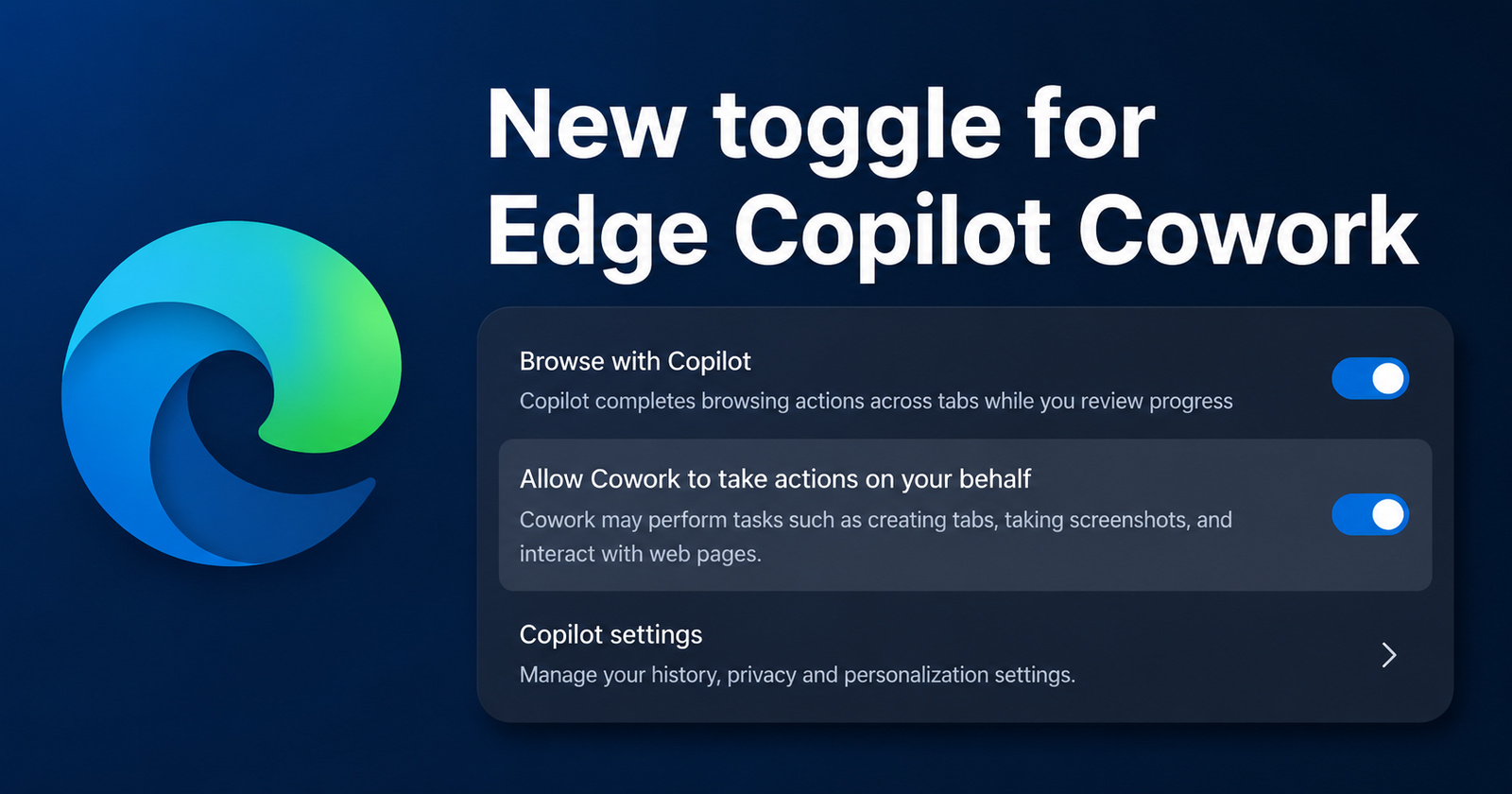
A leaked video has revealed one of Microsoft’s more unusual internal projects. Instead of treating Edge as just another browser, the company experimented with making it the center of the entire operating system.
The project, known as Aion, appears to date back to 2024. It wasn’t a regular version of Windows. The whole experience revolved around Microsoft Edge, with Copilot built into the system from the start.
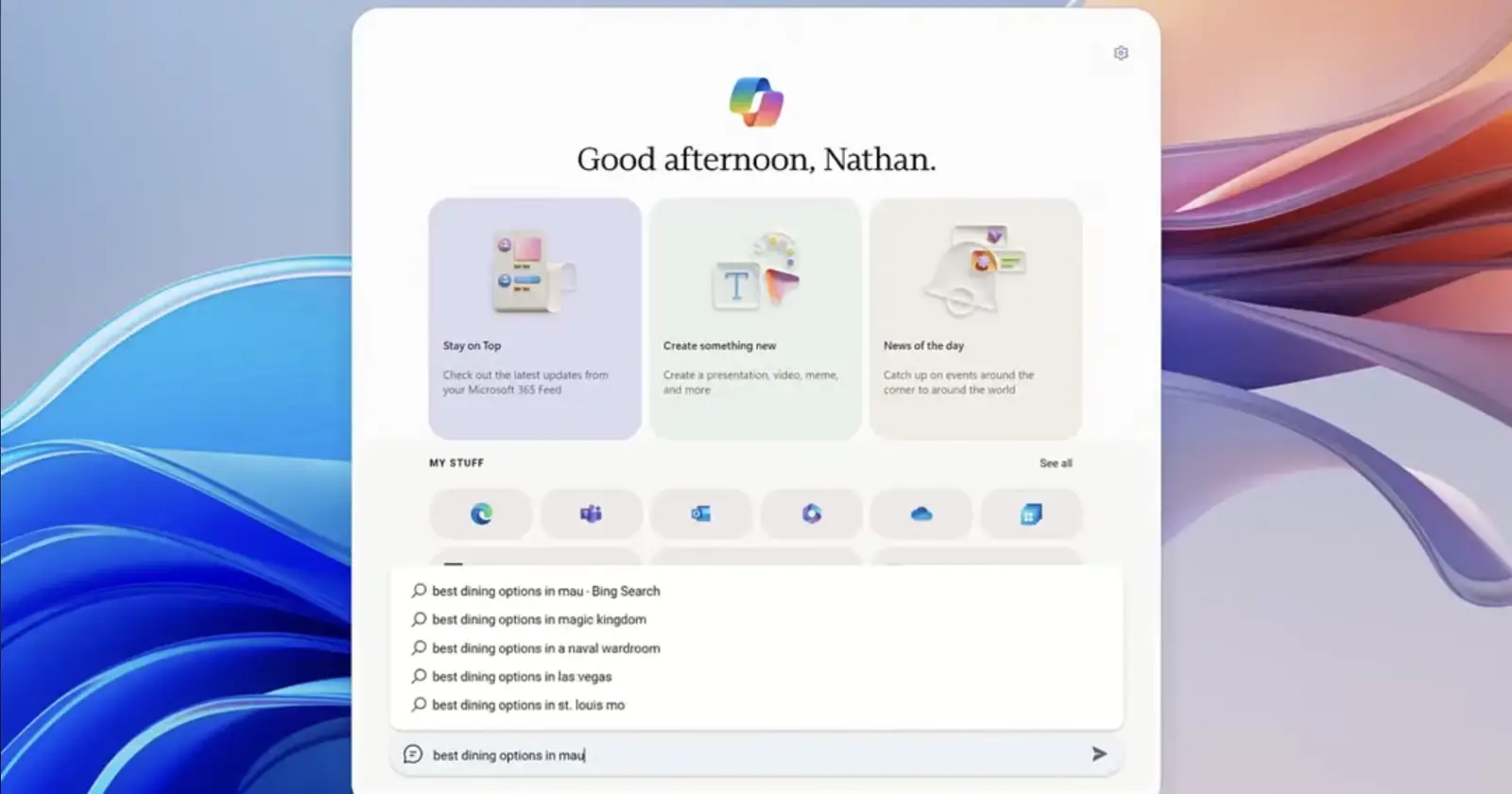
One of the biggest changes was the way you interacted with the PC. Instead of clicking the traditional Start button, there was a dedicated Copilot key. Pressing it brought up a single search interface that could help you open apps, find files, or search the web.
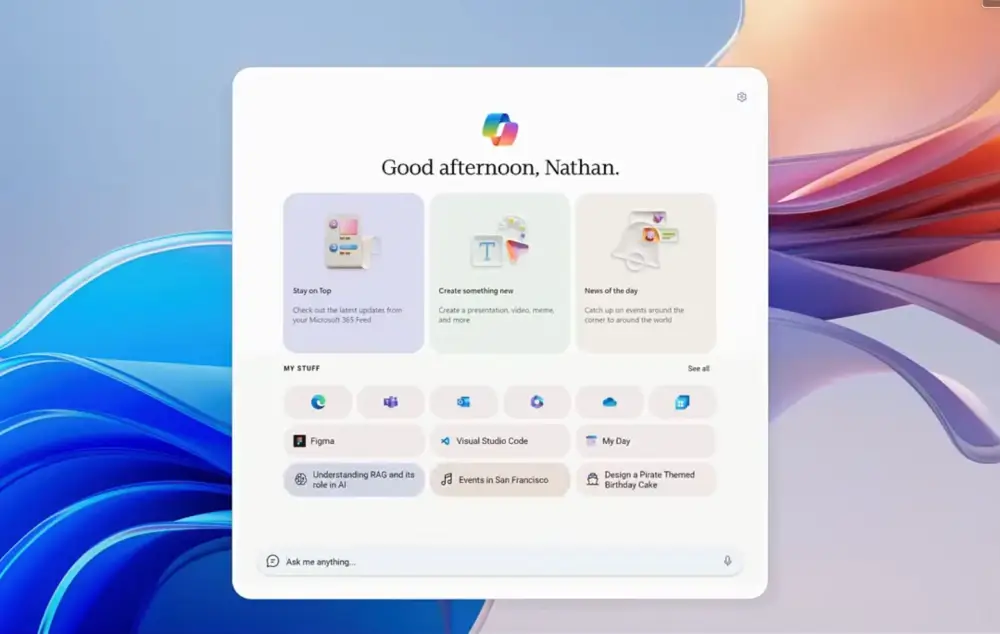
The biggest surprise, though, is what the system couldn’t do.
Aion reportedly had no support for traditional Windows desktop apps. Classic Win32 software was left out completely. The operating system was designed to run web apps and websites instead. If someone needed a full desktop application like Microsoft Word, it would be streamed through Windows 365 rather than running locally on the device.
Microsoft reportedly built the project on a lightweight version of Windows internally known as Win3. Dropping legacy app support would have made the system easier to maintain while also bringing benefits like quicker updates, better security, and improved battery life.
The idea naturally draws comparisons to ChromeOS, except Microsoft’s browser sat at the center instead of Chrome. Windows Central’s Zac Bowden even jokingly referred to it as an “Edgebook.”
Even with all these changes, the desktop still looked familiar. It included a taskbar and a Start-like menu, so existing Windows users wouldn’t have had to learn an entirely new interface.
One feature shown in the leaked video was called Spaces. It grouped related apps and websites together so you could reopen an entire workspace with a single click instead of launching everything one by one.
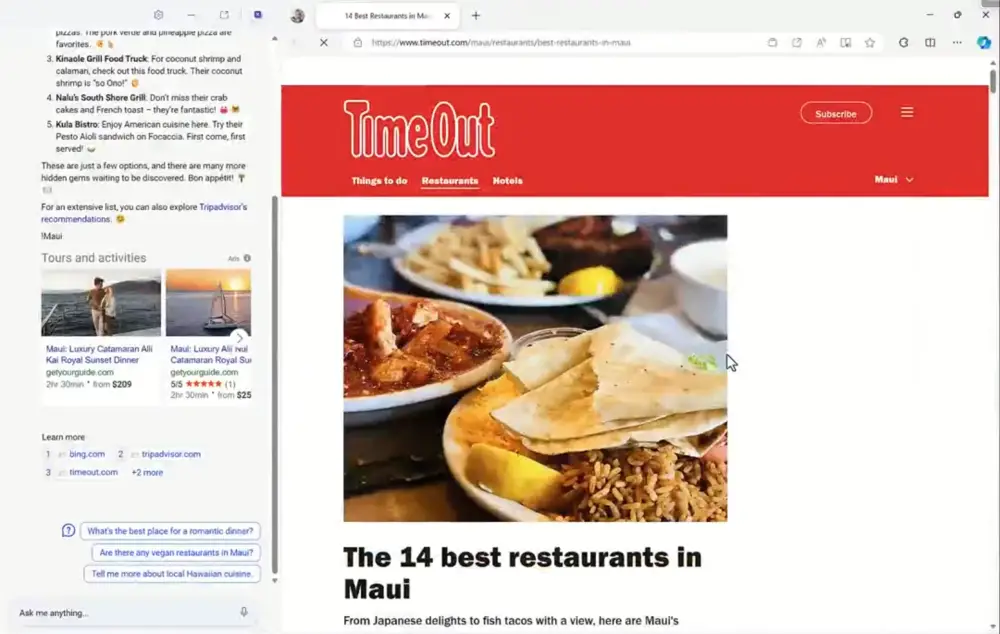
Before anyone gets too excited, there’s no sign this version of Windows is headed for release. The person who uncovered the project believes it was most likely an internal experiment, possibly created during a hackathon or as a concept to explore what an AI-first desktop might look like. Microsoft declined to comment when asked about it.
Even if Aion never becomes a real product, it offers an interesting glimpse into how Microsoft has been thinking about the future of Windows. Rather than simply adding AI features to the operating system, the company explored what Windows might look like if the browser became the operating system itself.


Dwayne Cubbins
3068 Posts
I cover fast-moving stories across apps, online platforms, and everyday tech — phones, wearables, consoles, and whatever else people are fighting with this week. Bugs, rollouts, scams, policy enforcement, and the occasional internet-culture rabbit hole are all fair game. My goal is simple — make confusing tech news readable. When I'm not working, I'm working out or chilling with my dog. Got a tip? You can find me on X @dcubbins.
Next article View Article