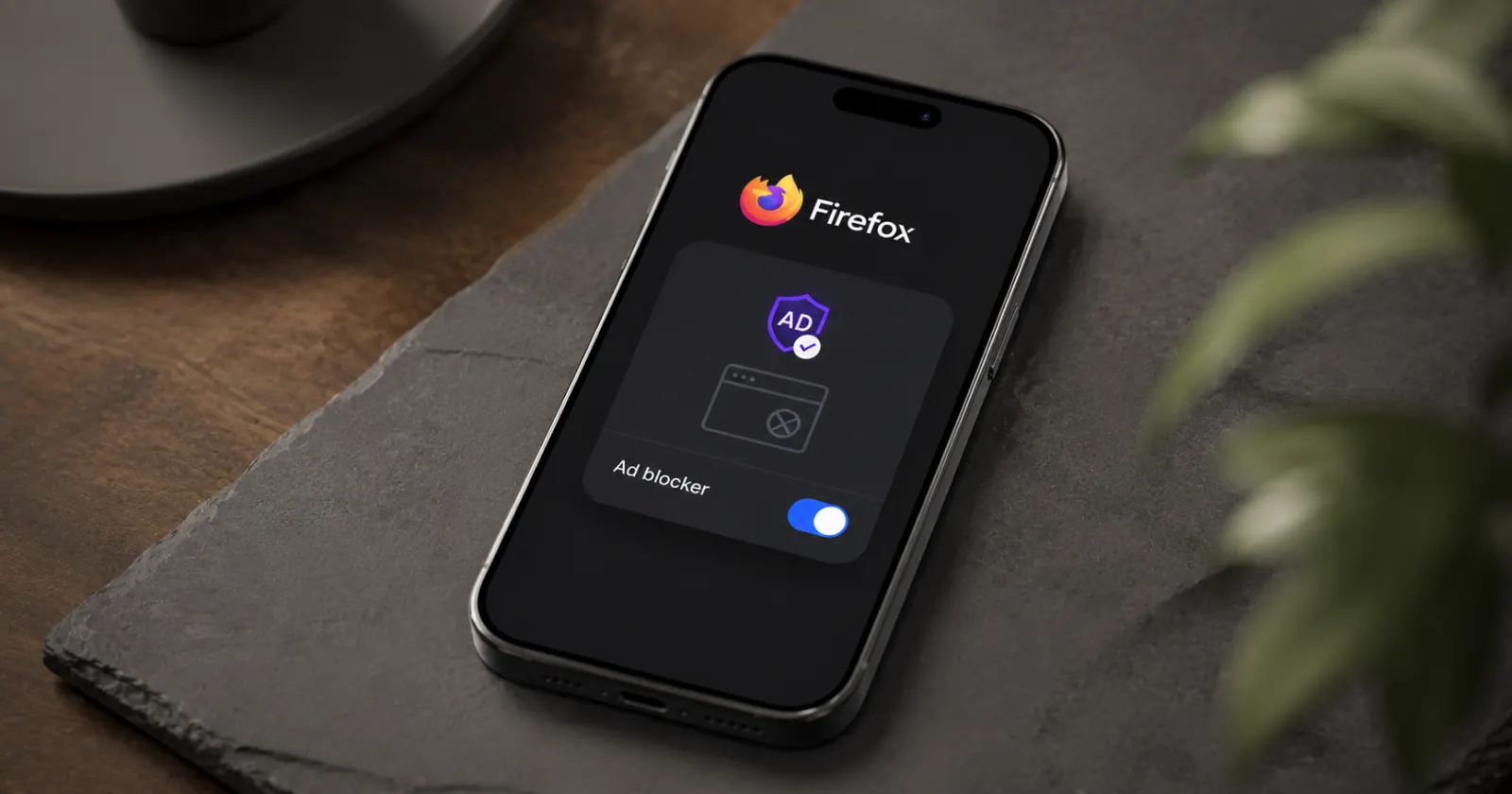
Apple’s ecosystem makes building a third-party browser uniquely frustrating. Every browser on an iPhone is basically just Safari wearing a different hat, bound by the exact same WebKit engine restrictions. That makes porting desktop features an absolute nightmare.
But it looks like Mozilla is not one for taking the easy way out.
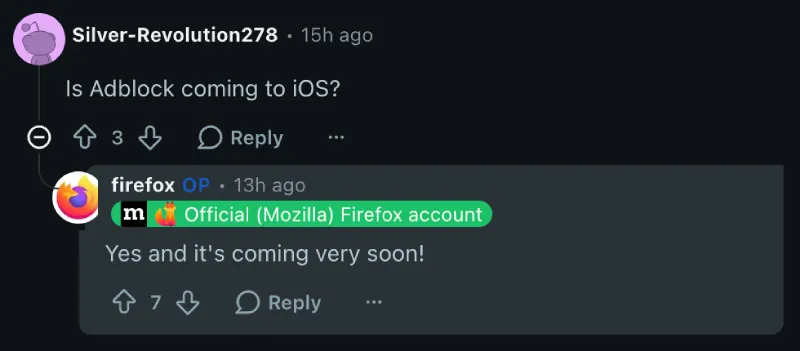
During a massive Reddit AMA covering their new product roadmap, the official Firefox account quietly dropped a massive confirmation. A user simply asked if an ad blocker was making its way to iOS. The team didn’t beat around the bush, and instead replied, “Yes and it’s coming very soon!”
We already knew Mozilla was building an out-of-the-box ad blocker for Firefox. Firefox head Ajit Varma confirmed a few weeks ago that they were running tests using EasyList to bypass the need for third-party extensions entirely. The goal there was to speed up page loads and save casual users the hassle of digging through the add-on store.
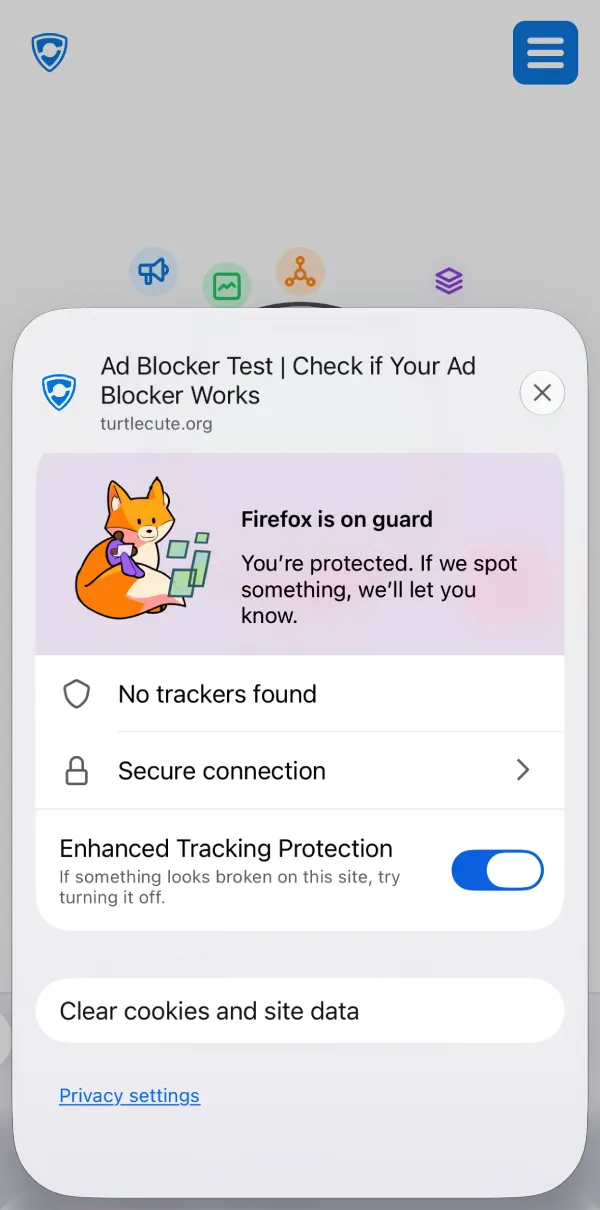
Right now, if you want to block ads on an iPhone, you generally use Safari with a third-party content blocker. Or you switch to Brave. Firefox on iOS currently relies on Enhanced Tracking Protection, which, to be fair, catches a lot of trackers and some intrusive ads if you crank the settings to “Strict,” but it isn’t a dedicated ad blocker. It leaves behind awkward blank spaces and lets plenty of banners slip through the cracks.
A true native ad blocker puts the iOS app in a completely different weight class.
This fits into a weirdly aggressive streak from Mozilla lately. The foundation just reorganized under a new nonprofit structure to manage its AI rollout, complete with hard opt-out switches for users who want nothing to do with it. Over on the desktop side, they just merged native Vulkan Video decoding for Linux users into the Firefox 153 codebase to finally kill the awful driver workarounds NVIDIA owners had to use.
They are clearly trying to give people concrete reasons to stay in the ecosystem. Giving iPhone users a reason to actually set Firefox as their default browser is a smart play, especially at a time when users are increasingly looking for privacy-focused alternatives for apps and services.
The team didn’t specify an exact release date for the iOS blocker beyond “very soon.” We also don’t know if the mobile version will allow custom filter subscriptions or if you’re stuck with whatever Mozilla curates.
The AMA actually spilled quite a bit more about what Mozilla is actively coding right now. The engineers answered questions about the upcoming Nova UI refresh, HDR image support, and Android tab groups. We’re still digging through the rest of the thread and will have more coverage on those roadmap details up shortly.


Dwayne Cubbins
3091 Posts
I cover fast-moving stories across apps, online platforms, and everyday tech — phones, wearables, consoles, and whatever else people are fighting with this week. Bugs, rollouts, scams, policy enforcement, and the occasional internet-culture rabbit hole are all fair game. My goal is simple — make confusing tech news readable. When I'm not working, I'm working out or chilling with my dog. Got a tip? You can find me on X @dcubbins.
Next article View Article