Tesla has started remotely disabling Full Self-Driving on cars fitted with third-party CAN bus hacks in countries where the software is not yet approved.
This crackdown began after the hacks started spreading widely last month. One of the people who made this possible, Michał Gapiński, also shared videos (which were later on taken off for some reason) showing off FSD working in Europe.
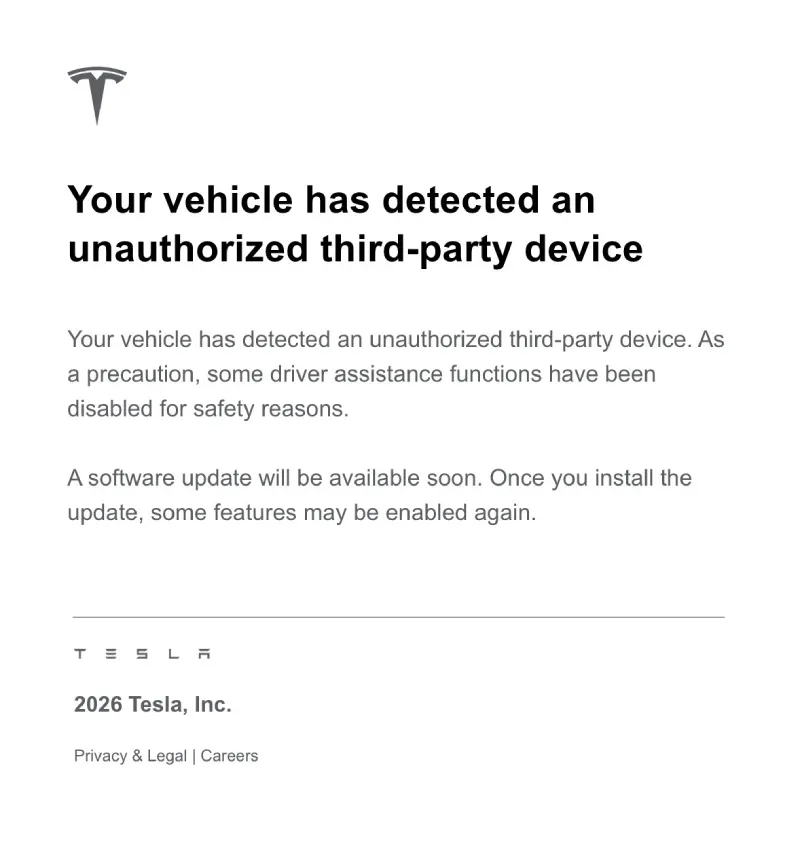
Needless to say, Tesla hasn’t been turning a blind eye to all this. Screenshots that have been posted on X show the exact message that drivers are now seeing. One email that was sent to a customer says, “Your vehicle has detected an unauthorized third-party device.”
It explains that some driver assistance functions have been turned off for safety reasons and that a software update will be available soon.
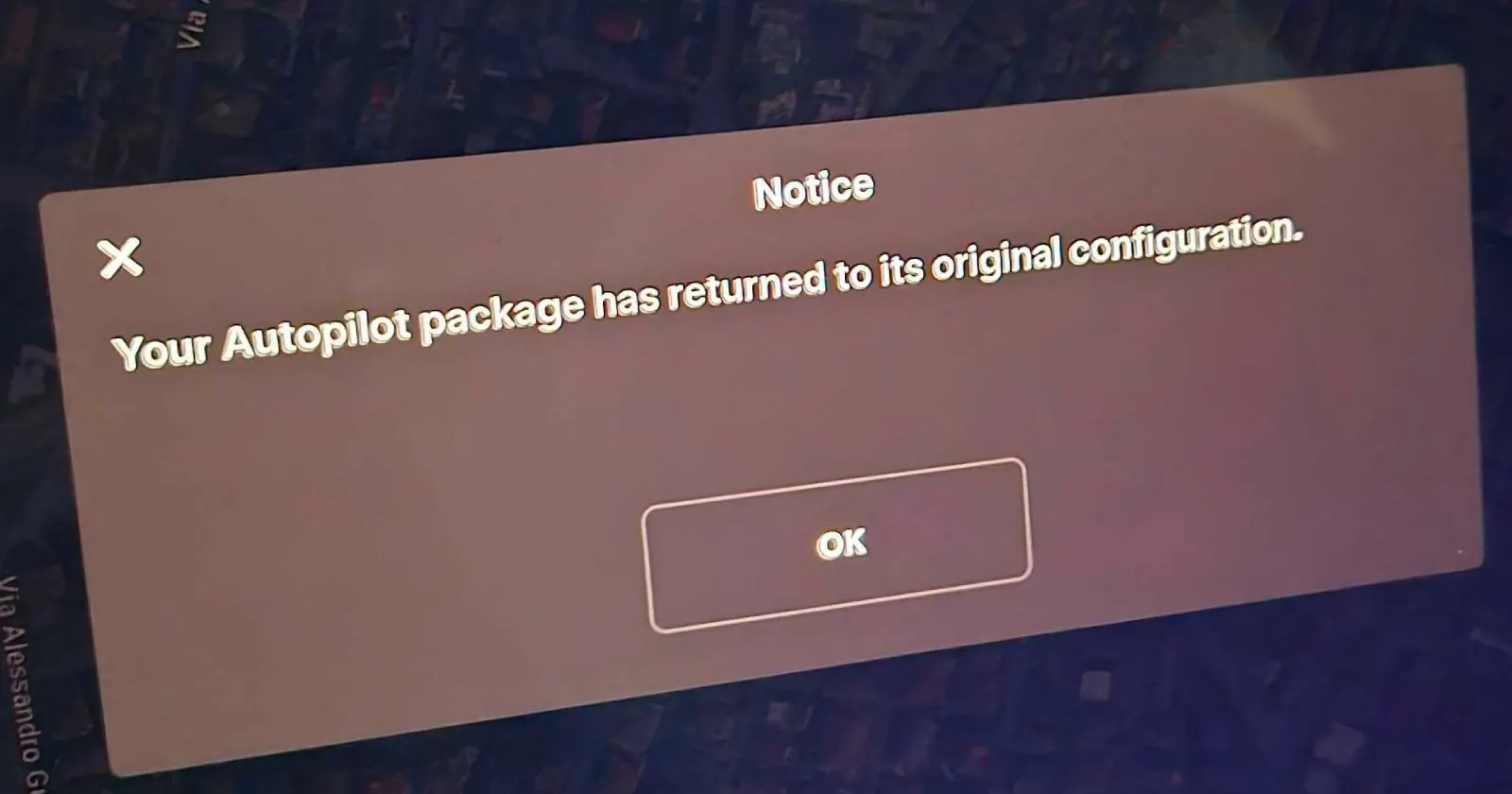
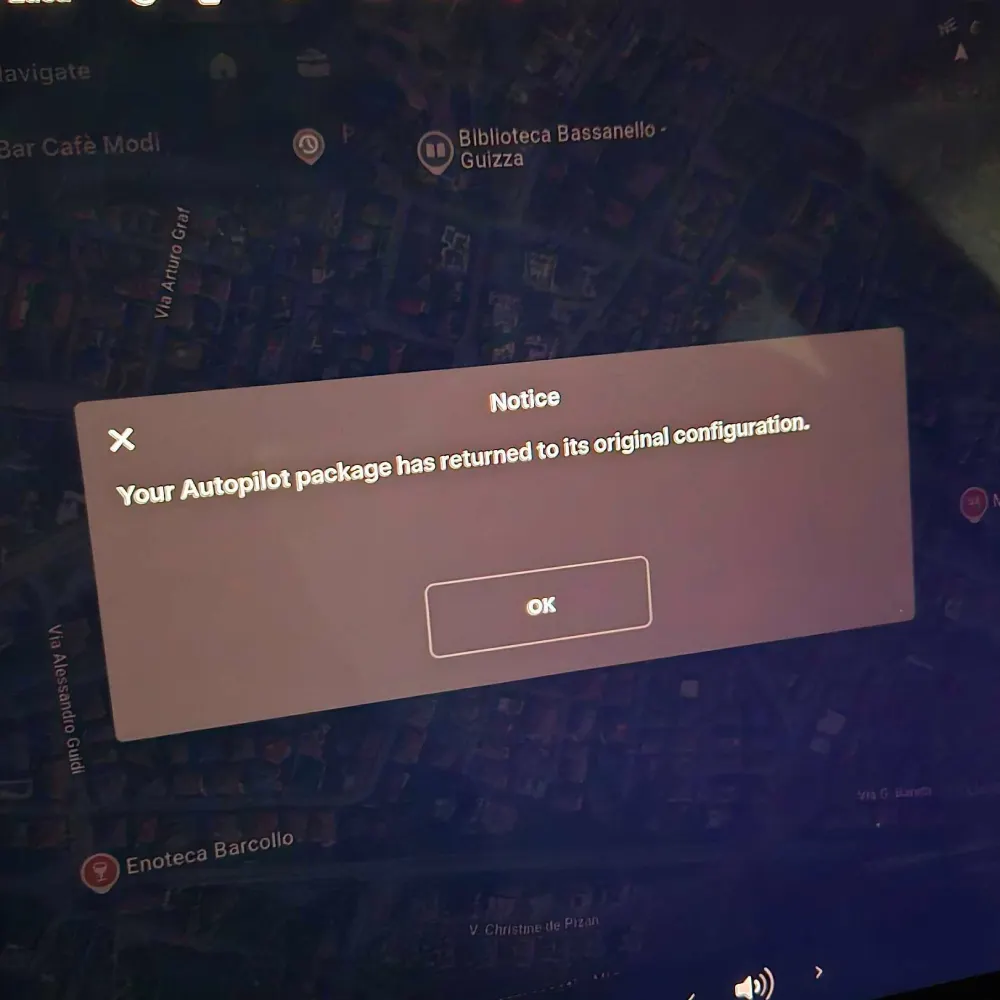
Another picture shows the in-car notice, which says, “Your Autopilot package has returned to its original configuration.”
From what owners are reporting, the company has been quietly monitoring vehicle logs for abnormal activity. Once it spots one of these inexpensive dongles plugged into the car’s internal network, Tesla wakes the vehicle remotely through its built-in connection and kills the FSD access server-side.
The bit that has a lot of people riled up is that all this happens without any approval from the owner. Most can’t simply turn off connectivity because of the eSIM.
The hacks let people use paid FSD features in places like Australia and parts of Europe where official rollout is still stuck in regulatory limbo. The devices trick the car into thinking everything is legit.
Apart from the posts on X, in the Tesla Owners Australia Facebook group, moderator Jason Munro posted that he had seen multiple reports confirming the remote patches.
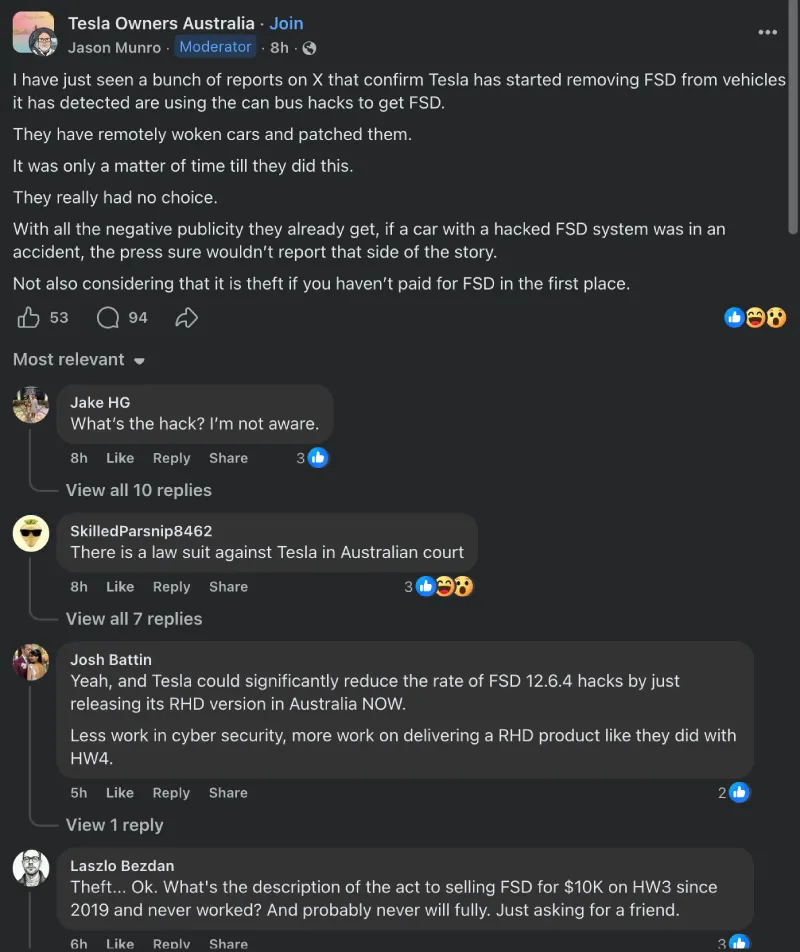
Comments there were all over the map. Some owners said Tesla had no real choice. “If a car with a hacked FSD system was in an accident,” one wrote, “the press sure wouldn’t report that side of the story.”
Others were angry, pointing out that many affected owners had already paid for FSD but were blocked by regional restrictions.
Tesla has also warned owners in emails that using these unauthorized devices could void their warranty. In China, some drivers have now been permanently banned from FSD even though they paid for it. In South Korea, the government has threatened up to two years in prison for the same thing on certain imported models, as reported by Autoevolution.
Tesla has not issued any public comment. The email mentions a software update coming soon, but it remains unclear whether features will come back or if the hacks are now permanently blocked.
Right now, the cars still drive normally. They have simply lost the expensive self-driving capabilities their owners believed they had unlocked.


Dwayne Cubbins
3036 Posts
I cover fast-moving stories across apps, online platforms, and everyday tech — phones, wearables, consoles, and whatever else people are fighting with this week. Bugs, rollouts, scams, policy enforcement, and the occasional internet-culture rabbit hole are all fair game. My goal is simple — make confusing tech news readable. When I'm not working, I'm working out or chilling with my dog. Got a tip? You can find me on X @dcubbins.
Next article View Article