





A subscription shouldn’t be a trap.
— Anthony Albanese (@AlboMP) April 7, 2026
That’s why we’re banning subscriptions that lock you in because they’re too hard to cancel. pic.twitter.com/dn7AirZpiq
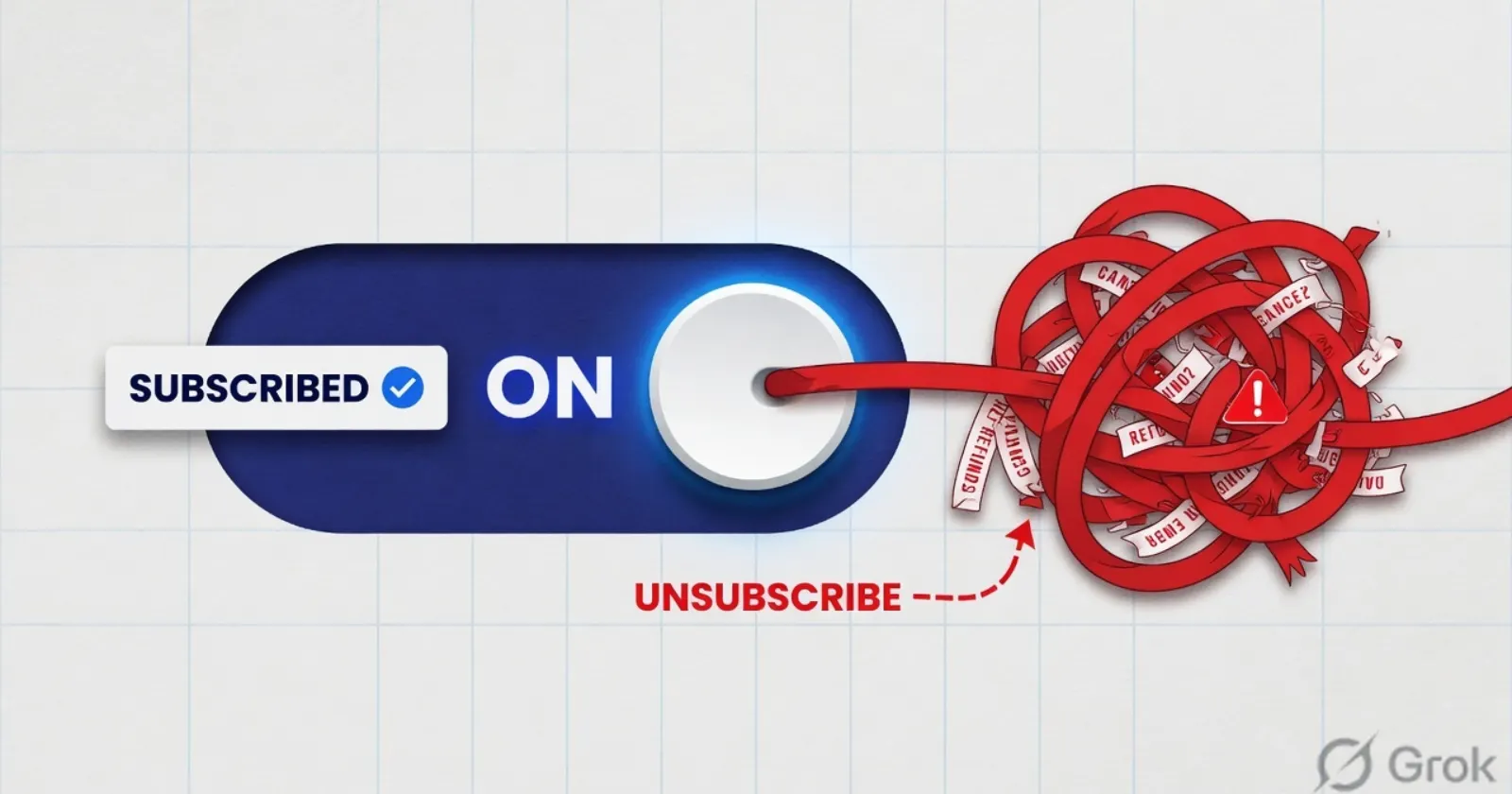
Australian Prime Minister Anthony Albanese announced today that the government is banning subscriptions that trap people because they’re too hard to cancel.
In a post on X, he said: “A subscription shouldn’t be a trap.” He shared a short video arguing that lock-in tactics have gone on long enough, and that this move will help users save their own money.
The move backs the Competition and Consumer Amendment (Unfair Trading Practices) Bill 2026, introduced to parliament last week. It forces companies to make cancelling as straightforward as signing up, often with a single click or online form if that’s how you joined.
Three in four Australians say they’ve struggled to cancel a subscription at some point. One in ten has given up and just left it running. The government estimates that collectively costs consumers around $971 million a year in unwanted charges.
Companies will also have to be upfront about key terms before you sign up and send reminders before a free trial rolls into a paid plan. Penalties for non-compliance can hit $100 million per breach. The laws are expected to come into force on July 1, 2027.
Adobe is probably the clearest example of what this bill is trying to fix. The company has been hit with multiple lawsuits over what critics describe as a deliberately confusing cancellation process.
Many users who signed up for an “Annual, billed monthly” Creative Cloud plan later discovered they owed a fee worth half their remaining year when they tried to leave. During a US FTC investigation, one Adobe executive reportedly described the hidden cancellation fees as “a bit like heroin.” We had covered the whole ordeal over on our sister site TechIssuesToday.
The bill also targets drip pricing, where a company advertises one price and then adds fees during checkout. Both are now treated as unfair trading practices under Australian consumer law.
Not everyone is on board. The Tech Council of Australia, which counts Apple, Microsoft, and Google among its members, argued during consultations that subscription bans should only apply where there’s “clear, material, financial harm.” The bill passed those objections.
Australia isn’t alone here. The US FTC introduced a click-to-cancel rule in late 2024, though a federal appeals court struck it down in mid-2025. The UK has been moving in a similar direction. Australia’s version, at least on paper, is among the more aggressive attempts to actually codify easy cancellation as a legal requirement rather than just a guideline.
Featured image generated with AI

We stand out from the tech-media crowd because we break news stories; we mainly bring you stuff that you won’t find anywhere in the mainstream tech media. Our stories have been picked up by some of the world’s most popular websites and media outlets—more info is available here.

Dwayne Cubbins
3073 Posts
I cover fast-moving stories across apps, online platforms, and everyday tech — phones, wearables, consoles, and whatever else people are fighting with this week. Bugs, rollouts, scams, policy enforcement, and the occasional internet-culture rabbit hole are all fair game. My goal is simple — make confusing tech news readable. When I'm not working, I'm working out or chilling with my dog. Got a tip? You can find me on X @dcubbins.
Next article View Article

Someone built a literal digital whip for slow Claude — then another made it wholesome [U: C&D notice]
Update 08/04/26 - 11:15 am (IST): Well, the fun only lasted so long for the BadClaude creator. In a follow-up post, @blended_jpeg shared a Cease and Desist...
Apr 07, 2026 2 Min Read