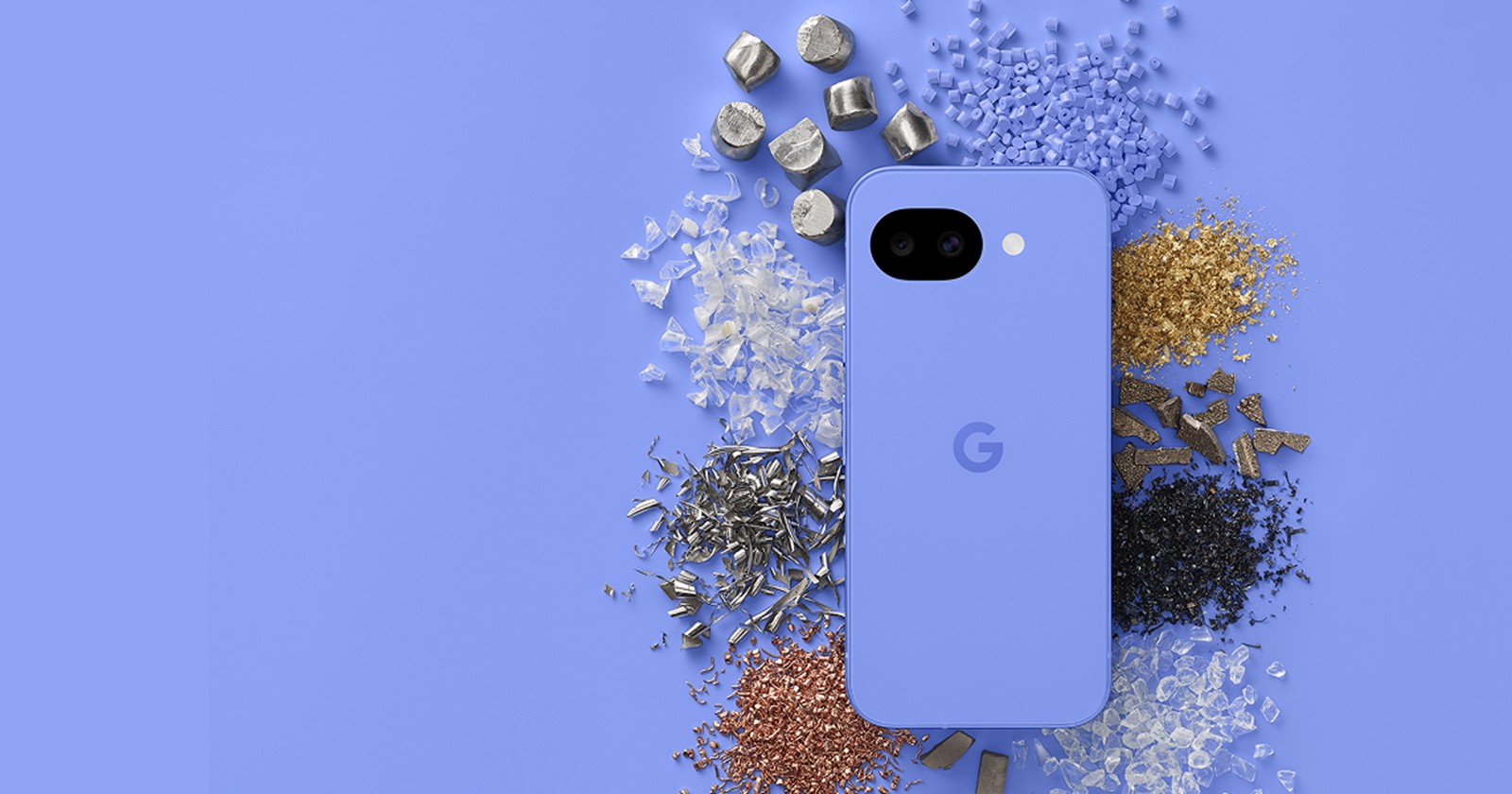
It’s official. Google has pulled back the curtain on the Pixel 10a, and if you’ve been following the leaks, the reality is just as sleek and predictably restricted as we expected. Launching at a steady $499, the Pixel 10a is leaning hard into its role as the pragmatic entry point to the Google ecosystem.
But while the hardware is making waves, Google’s “world map” for the Pixel remains curiously small.
The Pixel 10a is a refinement, not a revolution
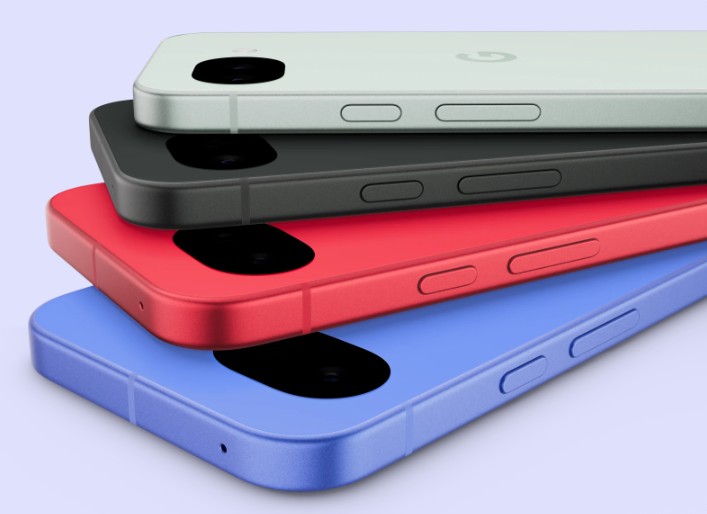
The Pixel 10a isn’t trying to reinvent the wheel; it’s just trying to make the wheel look better while sitting flat on your desk. With the 10a, Google has achieved a flush rear design, ditching the iconic camera bar for a minimalist, pill-shaped module that doesn’t wobble.
| Feature | Specification |
| Display | 6.3-inch Actua (60-120Hz) |
| Processor | Tensor G4 + Titan M2 |
| Memory/Storage | 8GB RAM | 128/256GB storage |
| Battery | 5100mAh (Up to 45W wired, 10W wireless) |
| Cameras | 48MP main (OIS) + 13MP ultrawide | 13MP selfie |
| Support | 7 years of OS & security updates |
| Colors | Lavender, Berry, Fog, Obsidian |
What’s the 1% club?
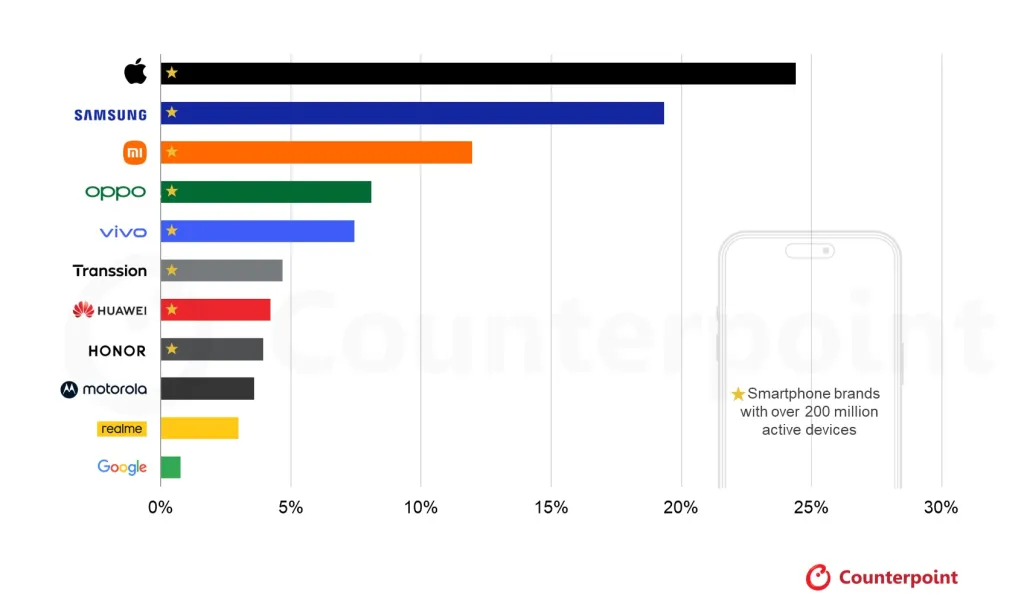
Despite the modest hardware tweaks, Google has reason to celebrate. Recent data from Counterpoint Research suggests that Google has finally carved out a roughly 1% share of the global active smartphone market.
While that sounds tiny compared to Apple’s ~25% or Samsung’s ~20%, it puts Google roughly in the 20–40 million active devices range. For a brand that spent years relegated to the “Others” category, this is huge. They’ve built a loyal, growing base that’s finally showing up on the global radar.
Is the 24-country ceiling strategic or stagnant?
Here’s where the celebration hits a speed bump. The Pixel 10a is launching in the usual 24 countries, as per the official support page. Notably, while the flagship Pixel 10 and even the older Pixel 9a included Japan, the 10a’s official list curiously leaves it out, sticking to a familiar roster including the US, UK, India, and much of Europe. However, this is probably a mishap because despite having not yet launched, the official Google Store Japan is already teasing the Pixel 10a’s arrival.
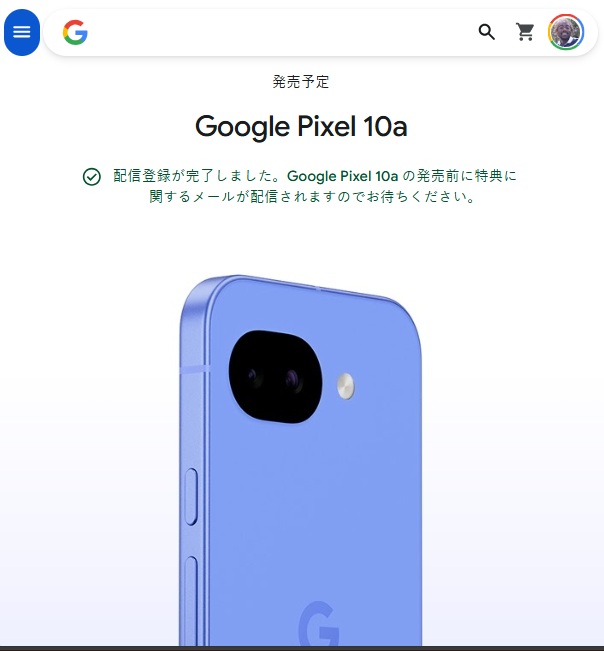
In 2026, the word “budget” is a global anthem. By keeping the A-series, the very device meant to hook the masses, locked behind the same 24 doors, Google is arguably wasting a massive opportunity. In emerging markets where a $499 Pixel is a “flagship killer,” Google is invisible. This lack of physical presence also means no authorized repair centers to help when things go wrong.
One could argue this is measured brilliance. Expanding a smartphone footprint is an expensive nightmare of logistics, local regulations, and razor-thin margins. Google is choosing to dominate the 1% they have rather than bleeding cash to chase a risky 5%. By focusing on markets where they can provide 7 years of high-quality support, they are building a “premium-budget” reputation rather than a “cheap-everywhere” one.
In other news, Google also officially announced AirDrop compatibility for the Pixel 9 and 10 series via Quick Share. This cross-platform bridge is rolling out now, allowing you to finally beam high-res files to your iPhone-toting friends without the “green bubble” drama. It’s a huge win for interoperability, even if the Pixel 10a is currently playing catch-up on the full feature set.
The Pixel 10a is a great phone for the people who can actually buy it. For the rest of the world? They’re still waiting for Google to realize that “global” means more than two dozen countries.


Hillary Keverenge
2723 Posts
Tech has been my playground for over a decade. While the Android journey began early, it truly took flight with the revolutionary Lollipop update. Since then, it's been a parade of Android devices (with a sprinkle of iOS), culminating in a mostly happy marriage with Google's smart home ecosystem. Expect insightful articles and explorations of the ever-evolving world of Android and Google products coupled with occasional rants on the Nest smart home ecosystem.
Next article View Article