It’s been a busy week in the Google Pixel world, and while none of the updates scream “revolution,” they paint a clear picture of where Google stands in 2026: still small, steadily growing, and increasingly focused on polishing the experience (and occasionally, its marketing).
Here’s the crux of what’s happening.
Pixel finally carves out its own slice of the smartphone pie
For years, Google Pixel has been the definition of a niche player in the global smartphone market. But fresh data from Counterpoint Research shows something notable: Pixel is no longer buried in the “Others” category.
According to the latest breakdown of the global active installed smartphone base in 2025:
- Apple controls just shy of 25% of all active smartphones worldwide
- Samsung sits at just under 20%
- Both brands have surpassed one billion active devices
- The top eight OEMs each have more than 200 million active devices
- Google Pixel ranks 11th globally, with roughly ~1% share
On paper, 1% doesn’t sound like much. In reality, it’s significant.
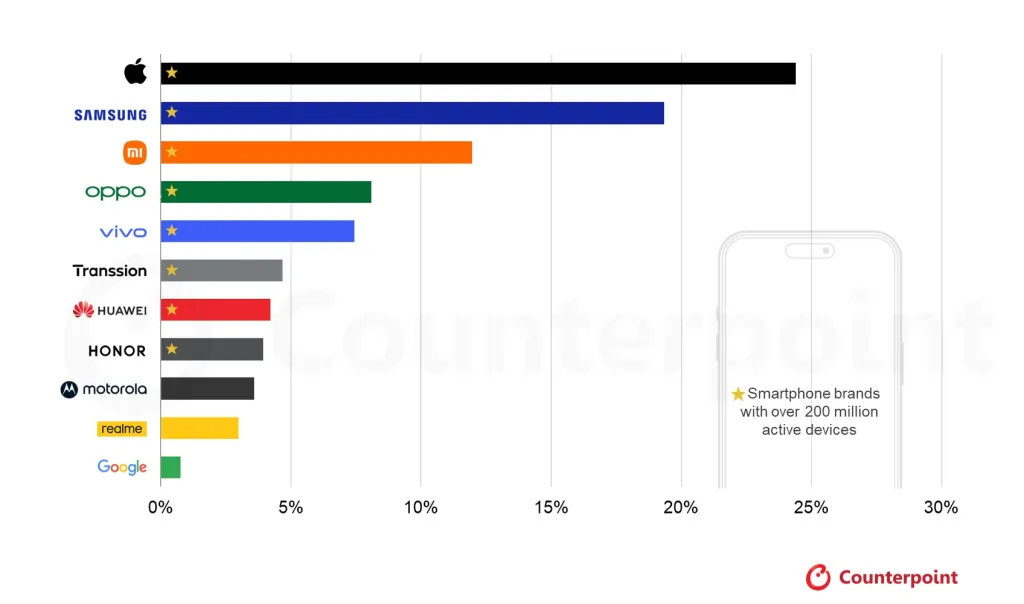
If 20% equals over a billion active devices, then 1% translates to tens of millions of devices in daily use. Based on rough comparisons in the chart, particularly against brands like Motorola, which is nearing the 200 million mark, Pixel’s active installed base likely sits somewhere in the 20–40 million range globally.
That tracks with Google’s earlier disclosures that it sold around 30 million Pixel phones between 2016 and 2022. Sales have accelerated since then, especially with the Pixel 6 redesign and Tensor-powered era.
In other words, after nearly a decade in hardware, Google has officially built a measurable ecosystem footprint. It’s still tiny compared to Apple and Samsung, but it’s no longer invisible.
For a lineup that once struggled for retail presence and carrier support, that’s a quiet milestone.
Pixel 10a and the FaceTime fine print
Meanwhile, Google’s marketing team is once again leaning into Apple’s ecosystem, this time with the recently announced Pixel 10a.
On Google’s store page, the Pixel 10a is advertised as supporting FaceTime, Apple’s exclusive video calling platform. At first glance, that sounds bold. Has Google struck a deal with Apple? Has FaceTime gone cross-platform in a deeper way?
Not exactly.
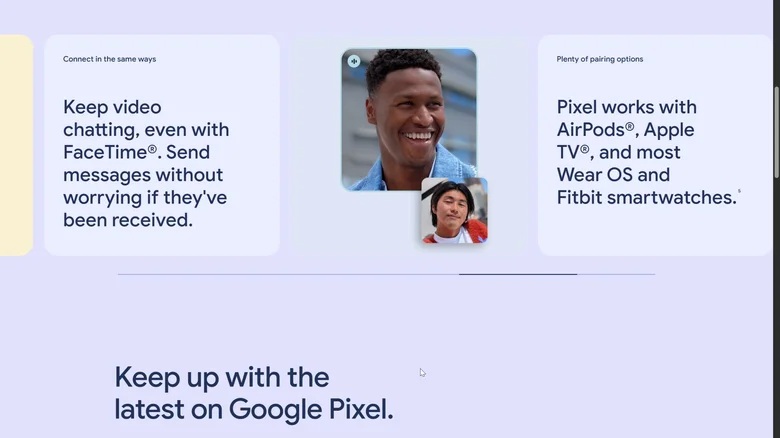
The claim refers to Apple’s iOS 15-era feature that allows iPhone users to generate FaceTime web links, which can then be opened in a browser on Android or Windows devices. Pixel users can join those calls, but only when invited via link.
There’s no native FaceTime app on Android. No deep integration. No special Pixel-exclusive support.
So why advertise it?
Likely because FaceTime remains one of Apple’s strongest ecosystem hooks. It’s seamless, deeply embedded, and widely used, often described as “phone calling 2.0.” By highlighting compatibility, Google is subtly signaling to iPhone-curious users: You won’t lose access to your social circle if you switch.
It’s not wrong. Pixel users can join FaceTime calls.
But it’s also not unique to Pixel. Any modern Android phone with a browser can do the same.
The messaging, however, has created confusion before, and this latest Pixel 10a push suggests Google is comfortable walking that fine marketing line.
Pixel VPN’s Quick Settings tile gets smarter
On the software side, Google continues refining Pixel-exclusive features.
The latest update to VPN by Google (version 2025.12.19.x) introduces a small but practical improvement: the Quick Settings tile now shows connection status directly beneath the label.
Previously, the 2×1 Quick Settings tile awkwardly displayed “VPN by Google” twice.
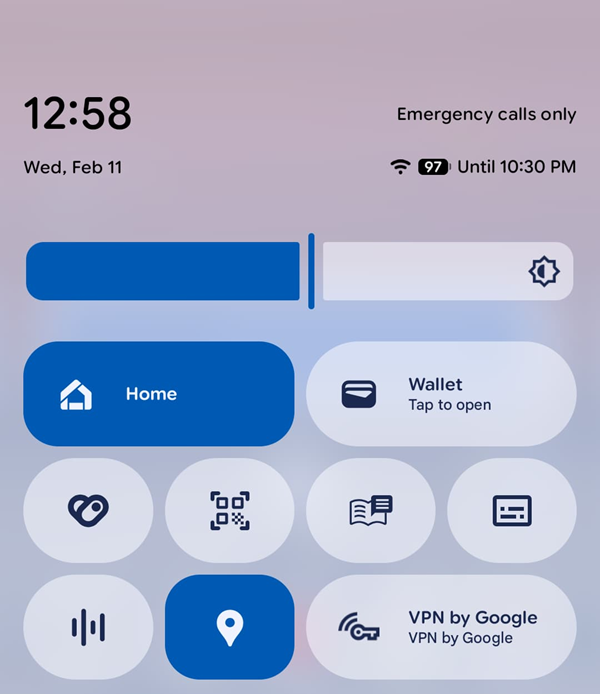
Now, the second line reflects real-time status:
- Connected (tile filled and active)
- Paused
- Connecting…
- Can’t connect
These details were previously visible only inside the full VPN interface. Now, users can check status at a glance without diving into Settings.
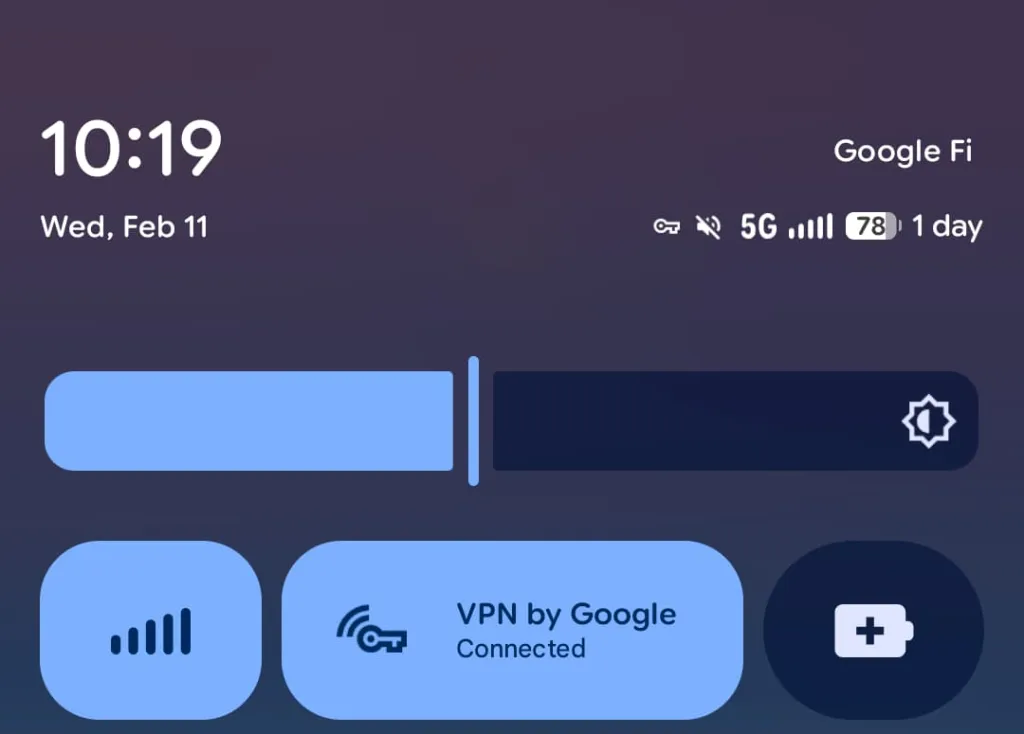
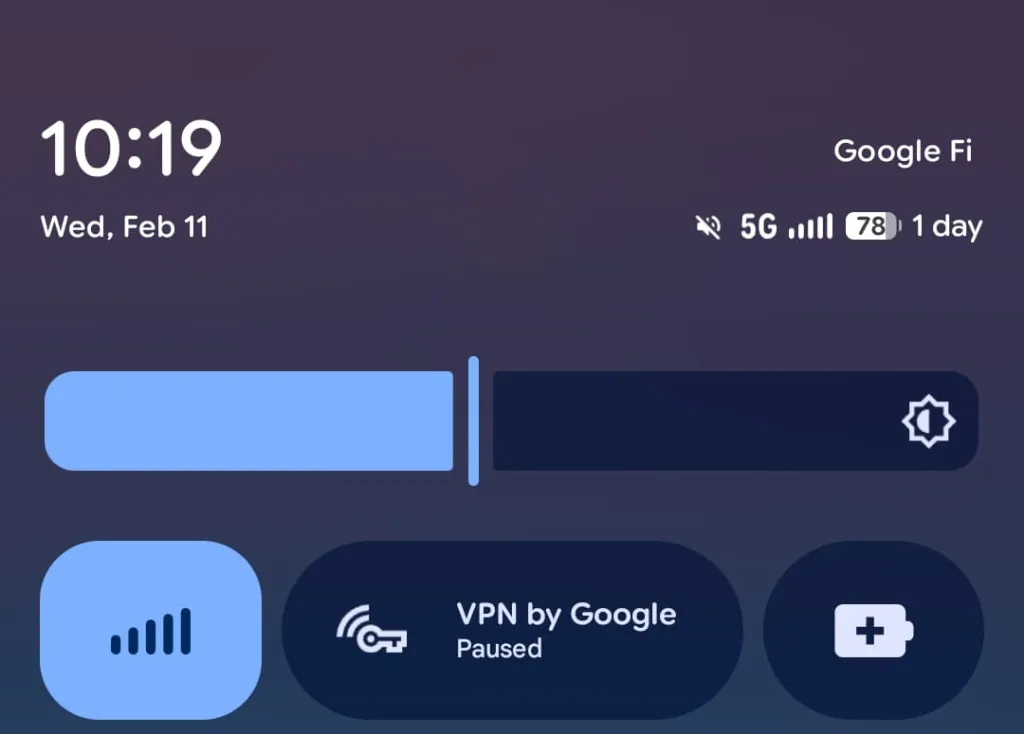
It’s a small UX tweak, but one that reflects Google’s ongoing effort to smooth out Pixel’s day-to-day usability.
The update appears to be rolling out gradually, with a server-side component involved. It’s not yet widely available across all Pixel devices.
Put together, these updates tell a consistent story.
Pixel isn’t dominating headlines with radical hardware shifts right now. Instead, it’s slowly growing its global installed base, positioning itself as an easier switch from iPhone, and refining exclusive Pixel features and utilities.
Google’s smartphone ambitions have always felt like a long game. The Counterpoint data confirms that, at minimum, the strategy is working well enough to carve out a durable foothold. A 1% global share won’t shake Apple or Samsung. But it does mean millions more users are living inside Google’s vertically integrated Android vision of Tensor chips, Pixel-first features, AI tools, and all.
For a brand that once struggled to escape “enthusiast-only” status, that’s meaningful progress.


Hillary Keverenge
2669 Posts
Tech has been my playground for over a decade. While the Android journey began early, it truly took flight with the revolutionary Lollipop update. Since then, it's been a parade of Android devices (with a sprinkle of iOS), culminating in a mostly happy marriage with Google's smart home ecosystem. Expect insightful articles and explorations of the ever-evolving world of Android and Google products coupled with occasional rants on the Nest smart home ecosystem.
Next article View Article