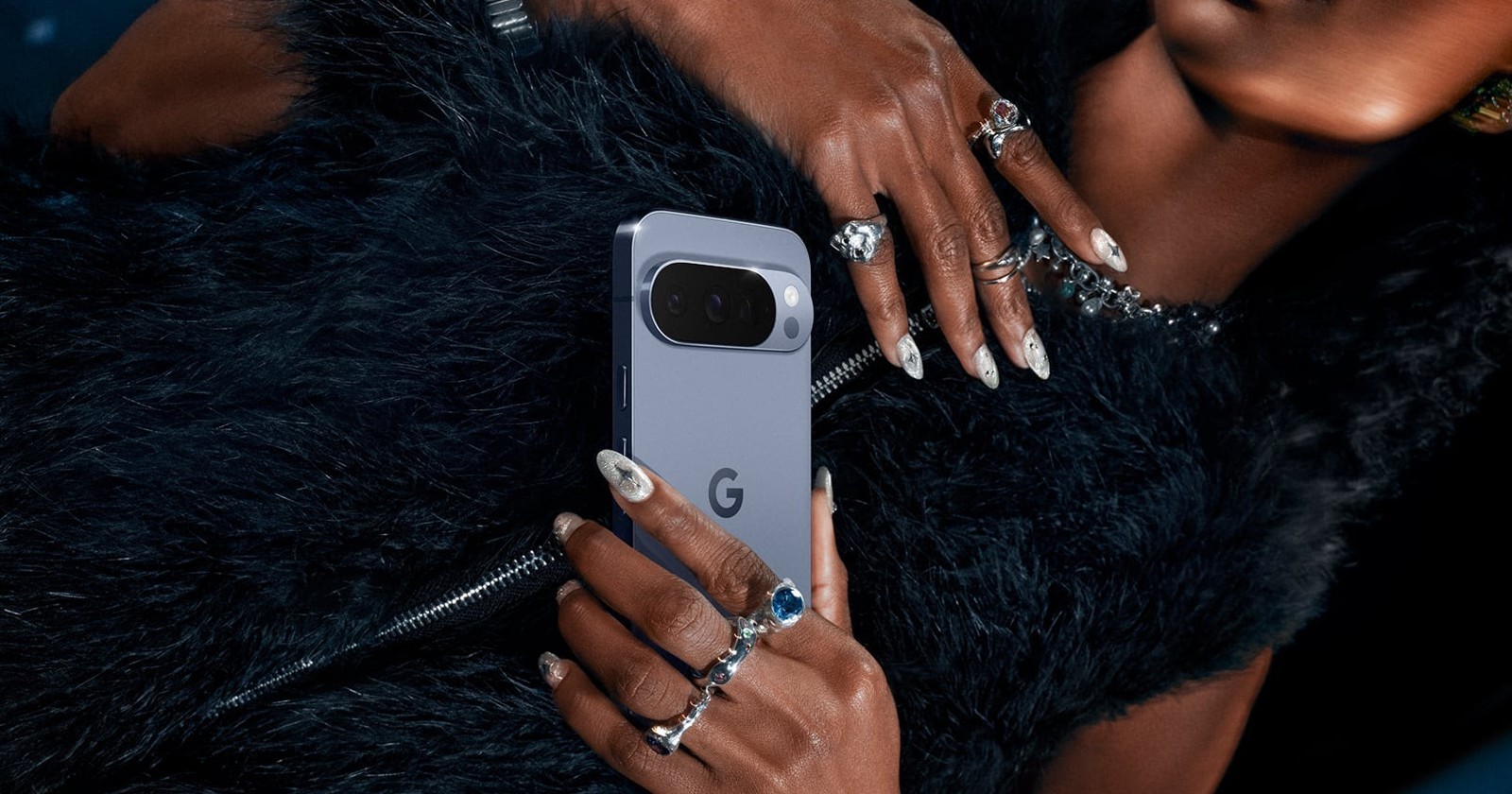
The Pixel 10’s screen snow problem isn’t quite over. While Google claimed to have resolved the display glitch that plagued devices last fall, a fresh wave of reports suggests a new variant of the issue has emerged, and this time, it’s proving harder to catch.
Google’s flagship Pixel 10 lineup can’t seem to shake its display demons. Months after the tech giant supposedly eliminated the notorious “screen snow” bug that turned entire displays into static-filled nightmares, some Pixel 10 owners are once again reporting display anomalies. But this latest iteration presents a different and arguably more frustrating challenge.
A brief history of the Pixel 10 static issue
To understand the frustration, we have to rewind to September 2025. Shortly after the Pixel 10 series launched, early adopters began reporting a jarring issue where the entire display would seemingly turn into “snow,” reminiscent of an old analog TV losing signal. It was a serious problem that understandably caused panic among new owners.
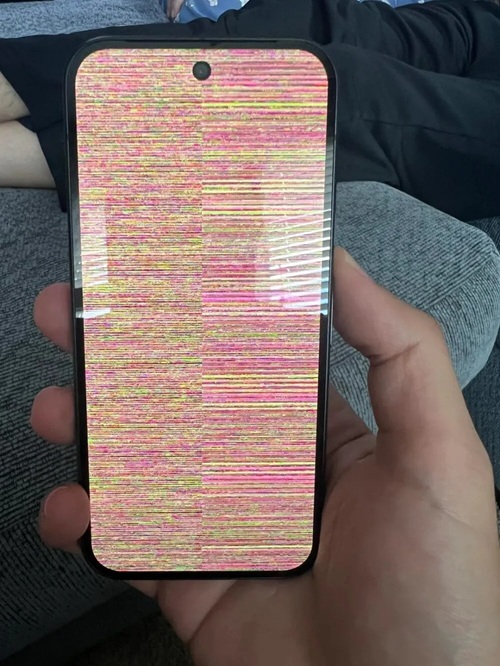
Google was quick to respond, acknowledging the hardware-software conflict and rolling out a dedicated fix. In a statement to Android Authority, Google said:
We’re aware of an issue impacting a small number of Pixel 10 devices. We began rolling out fixes on Sept. 3 with more to follow in the coming weeks.
For a moment, it seemed the coast was clear. However, the victory lap was cut short when fresh reports surfaced the following month, indicating the patch hadn’t fully resolved the problem for everyone, with some users noting persistent graininess even after updating.
Now, as we settle into 2026, the glitch has evolved.
The new ‘micro-static’ glitch
Unlike the total screen takeover we saw in late 2025, this latest iteration is more subtle but equally annoying. Based on reports surfacing throughout January and continuing into February, the issue has transformed into localized flashes of static.
Affected users describe the phenomenon as small, random bursts of “snow” or digital noise that appear on specific parts of the screen. Rather than the whole display crashing out, these artifacts last for only a frame or two. Blink, and you’ll miss it. This fleeting nature makes it incredibly difficult to capture on video, complicating matters for users trying to prove the defect to support teams.
The pattern among current reports is distinct. The glitch appears almost exclusively during full-screen video playback. Whether streaming on YouTube, watching Netflix, or viewing Instagram Reels, the static tends to manifest when the display is pushed to render high-definition media in landscape mode.
Descriptions of the visual artifacts vary slightly but follow a theme. Some report seeing a vertical line of static on the left side of the screen, while others have noticed tiny pink bars flashing briefly. The common denominator is that these glitches are sporadic; you might watch an hour of content with no issues, only to have the screen flicker with static multiple times in the next video.
Software or hardware issue?
The burning question for any Pixel 10 owner seeing this is whether their device is physically defective. The consensus from the community points strongly toward a software bug rather than a hardware failure.
Tech-savvy users who have investigated the issue noted that swapping devices doesn’t seem to help. In one instance, a user tested multiple open-box Pixel 10 Pro and XL units running the YouTube app and managed to replicate the glitch on every single one. This consistent reproducibility across different devices suggests that the problem lies within the code, likely how the Pixel 10 handles video rendering or hardware overlays, rather than a bad batch of screens.

There is a temporary workaround floating around that involves disabling Hardware (HW) overlays in the developer settings. While this reportedly stops the flickering, it comes at the cost of significantly increased battery drain, making it a less-than-ideal long-term solution.
What should affected Pixel 10 users do?
If you are noticing these random static flashes on your Pixel 10, the recommendation right now is to hold tight. Since the issue persists even on the January 5, 2026 security patch, returning the phone likely won’t solve the problem, as a replacement unit will arguably exhibit the same behavior once updated.
With the volume of reports still quite small but gradually increasing, it’s likely that Google is already tracking this “micro-static” regression. Until a dedicated fix arrives in a future monthly drop, try to ignore those split-second pink flashes.
Your screen isn’t breaking. It’s likely just the growing pains of software optimization.


Hillary Keverenge
2723 Posts
Tech has been my playground for over a decade. While the Android journey began early, it truly took flight with the revolutionary Lollipop update. Since then, it's been a parade of Android devices (with a sprinkle of iOS), culminating in a mostly happy marriage with Google's smart home ecosystem. Expect insightful articles and explorations of the ever-evolving world of Android and Google products coupled with occasional rants on the Nest smart home ecosystem.
Next article View Article