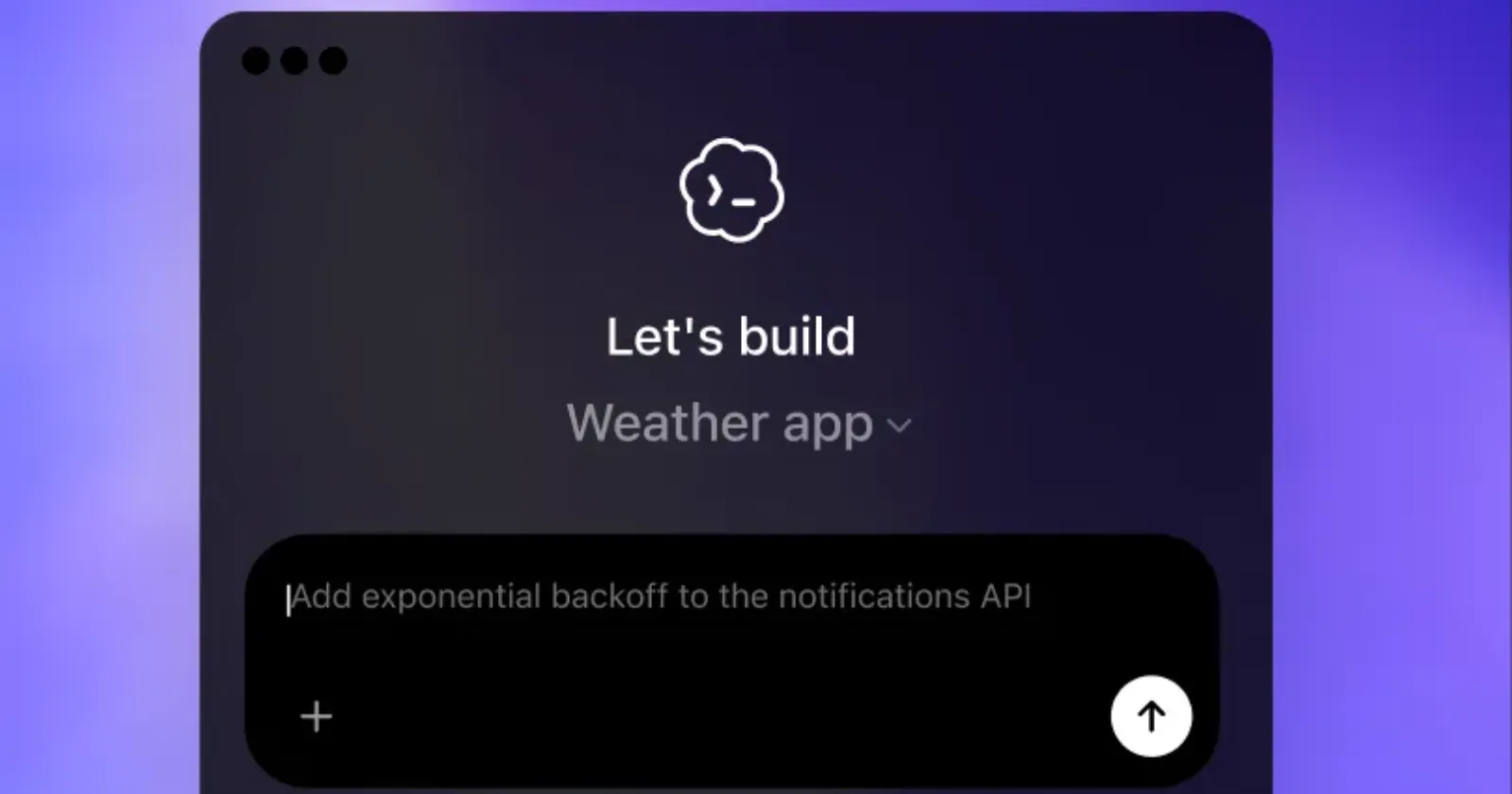
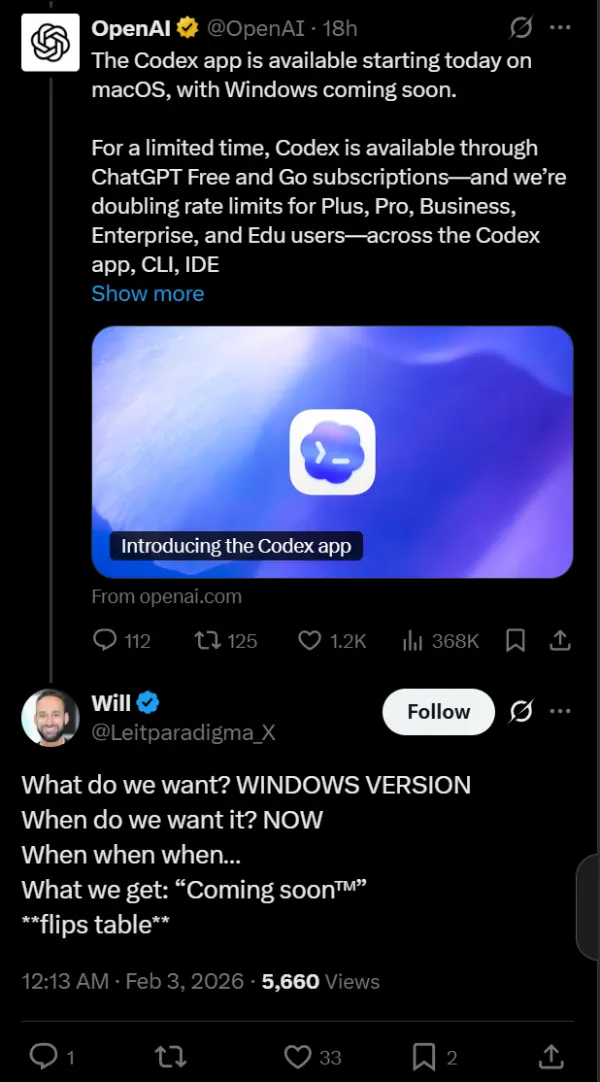
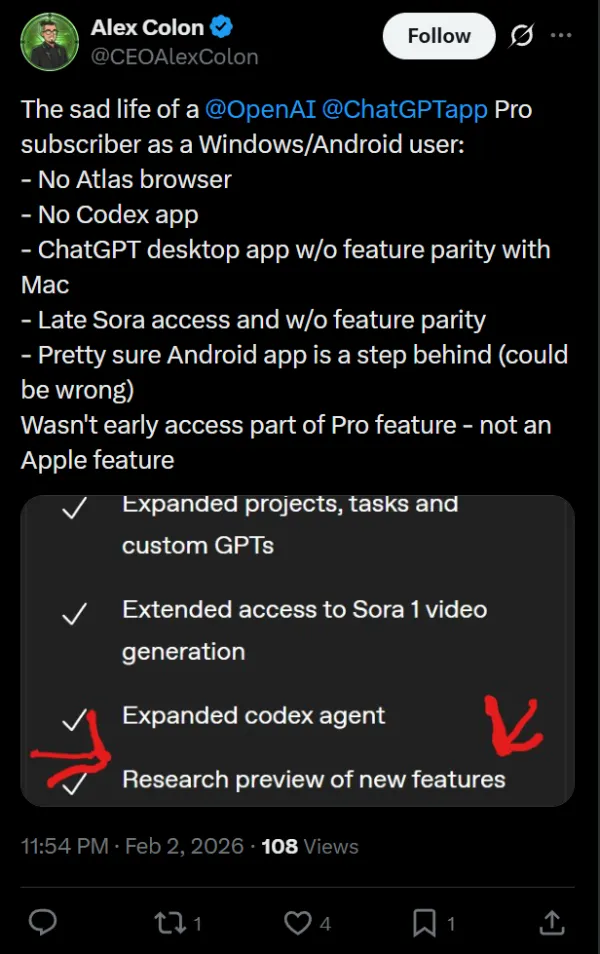
OpenAI launched its new Codex desktop app on February 2, 2026, but there’s a catch. Windows and Linux users can only join a waiting list while Mac users get immediate access. Developers on Windows aren’t happy about being left out, and they’ve taken to social media to call out the Mac-first approach.
Here are some posts that popped up following the Mac release:

Now, coming to why the app was delayed. OpenAI’s Alexander Embiricos explained on Reddit that the company needs more time to get “really solid sandboxing working on Windows, where there are fewer OS-level primitives for it”. The Codex app needs robust security controls to safely run AI-generated code on your machine, and Windows just doesn’t have the same built-in tools that macOS offers for this kind of isolation.
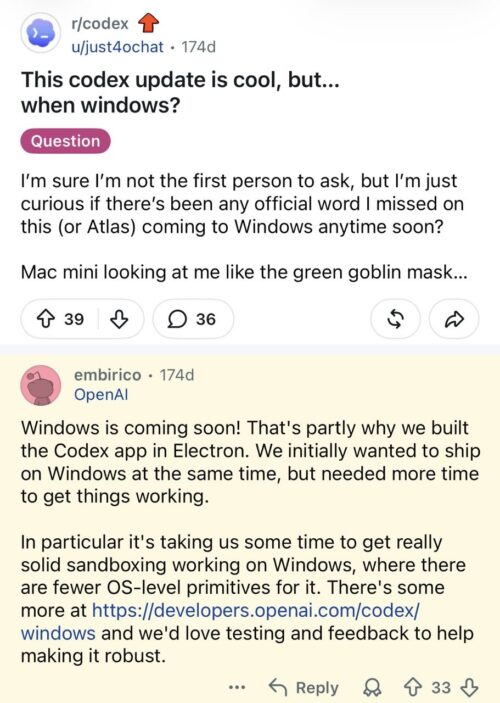
OpenAI built the Codex app using Electron, which should theoretically make cross-platform support easier. But even with that framework, the team initially wanted to ship Windows and Mac versions together. They couldn’t make it happen in time. The company is now asking Windows users to sign up for testing and provide feedback to help make the sandbox implementation more reliable.
This isn’t the first time OpenAI has gone Mac-only at launch. The company’s Atlas browser was announced months ago but still hasn’t arrived on Windows. Some Reddit users pointed out this pattern, with one commenter saying “u guys said the same thing for Atlas and never shipped the windows version”. That history isn’t doing much to inspire confidence.
But it’s not just OpenAI focusing on Macs. Anthropic’s Claude Cowork launched in January as a Mac-exclusive desktop agent tool. OpenClaw, the viral AI tool that works with Codex, has been driving Mac Mini sales because developers want to run these new agent platforms.
The pattern suggests that AI companies see Mac users as their primary audience for desktop coding tools.
For now, Windows users who want to try Codex can use the command-line interface or the IDE extension. Both support an experimental Windows sandbox mode through WSL (Windows Subsystem for Linux). OpenAI says the native Windows app is “coming soon,” but given the Atlas situation, some developers are skeptical about that timeline.


Dwayne Cubbins
3055 Posts
I cover fast-moving stories across apps, online platforms, and everyday tech — phones, wearables, consoles, and whatever else people are fighting with this week. Bugs, rollouts, scams, policy enforcement, and the occasional internet-culture rabbit hole are all fair game. My goal is simple — make confusing tech news readable. When I'm not working, I'm working out or chilling with my dog. Got a tip? You can find me on X @dcubbins.
Next article View Article