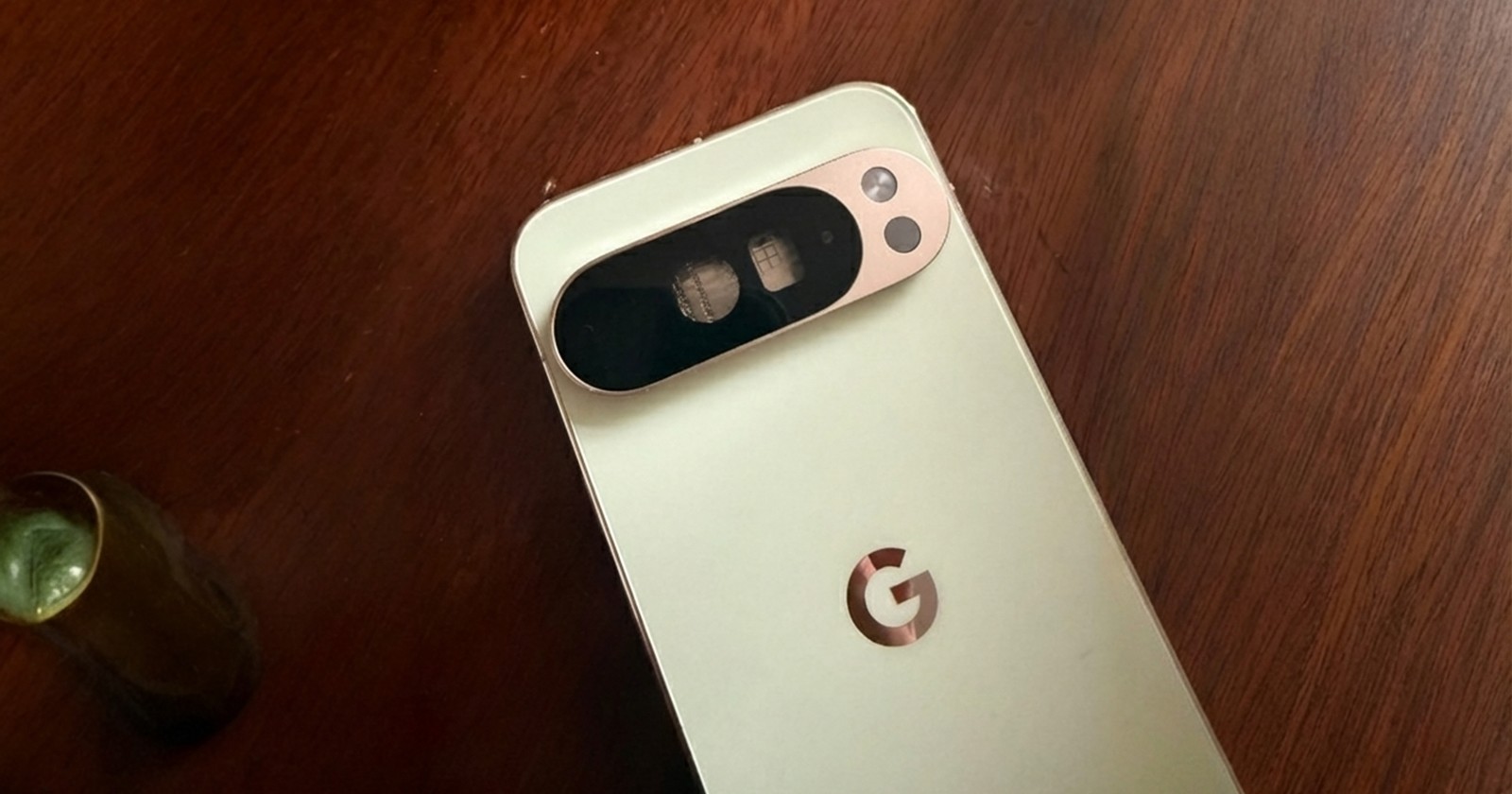
In the ever-escalating battle for privacy, we’ve seen some extreme measures—Faraday bags, burner phones, and custom OS builds. But British “danger tourist” and YouTuber Miles Routledge (better known as Lord Miles) has just raised the bar, or perhaps lowered it, depending on how you look at it.
After spending years in conflict zones like Afghanistan and Ukraine, Routledge decided his standard handset wasn’t cutting it. His solution? A Google Pixel 10 Pro XL that has been so thoroughly gutted and modified that it barely qualifies as a phone anymore. And the punchline? He’s not even using it.
The “schizo phone”
Routledge took to X (formerly Twitter) to unveil what he calls the “most secure schizo phone outside of government.” Starting with a standard Pixel 10 Pro XL, a device known for its top-tier hardware, Miles proceeded to remove… well, the hardware.
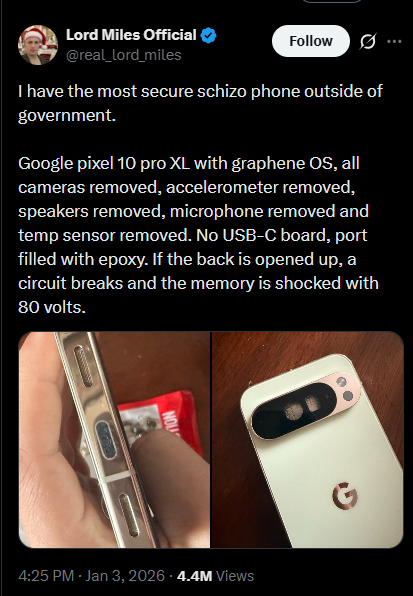
According to his viral post that has now been viewed 4.4 million times, the device has been stripped of:
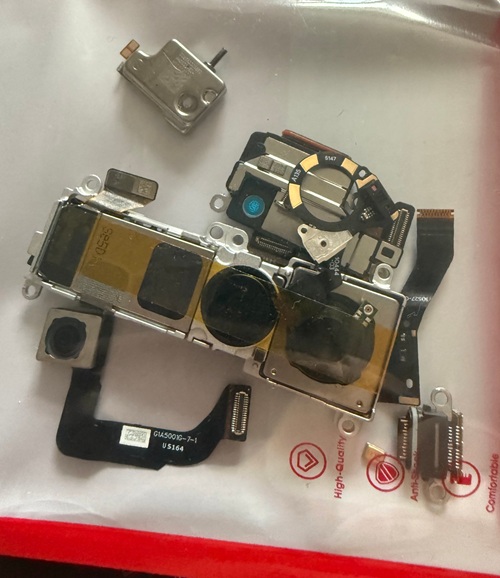
- All cameras
- The accelerometer
- Speakers and microphone
- The temperature sensor
- The USB-C board
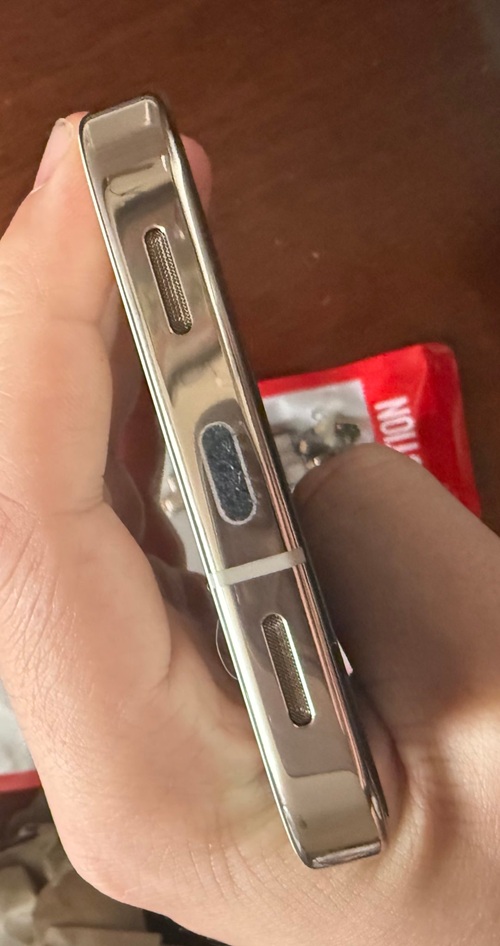
The charging port has been filled with epoxy, leaving the device as a sealed slab. It runs GrapheneOS, the hardened Android fork favored by privacy enthusiasts (and Edward Snowden), but Miles didn’t stop at software hardening.
High-voltage self-destruct
The most “Lord Miles” feature of the build is the anti-tamper mechanism. He claims that if the back of the phone is opened, a circuit breaks, triggering a capacitor that shocks the memory with 80 volts, effectively frying the data.
On top of the hardware kill-switch, the phone is set to auto-restart every 10 minutes, forcing the user to re-enter a “ridiculously long password” constantly. It’s the ultimate OPSEC device for someone who has genuinely been detained by Taliban intelligence—a scenario where data recovery is a very real threat.
When asked how he charges a phone with no USB-C port and epoxy-filled holes, Miles noted he relies entirely on wireless charging. His reasoning? Intelligence agencies use physical ports for data recovery, so destroying the contacts makes that vector “impossible.”
For all the engineering effort and paranoia, the story ends in classic Lord Miles fashion. Shortly after showing off the device, he quote-posted his own announcement with a realization:
“Guys for OPSEC I have decided to remove the battery, SIM card tray, battery, motherboard and screen. It’s now just an empty slab of metal.”
He admitted that the “ultra-secure” Pixel was so difficult to use that he went out and bought a Samsung phone, enabled all location and data permissions, and now walks around with both in his pocket. One is a digital fortress; the other is a tracking beacon.
It’s a hilarious, if slightly terrifying, look at the state of privacy in 2026. Miles’ build highlights the absurd lengths one has to go to for “perfect” security, essentially removing every feature that makes a smartphone smart.
While GrapheneOS has yet to comment on this specific franken-phone, the project usually prides itself on usability alongside security. We’re pretty sure shocking the RAM with 80 volts isn’t on their official roadmap for the Pixel 10, but in Lord Miles’ world, it makes perfect sense.
Video: Who is Lord Miles?
For those wondering why a YouTuber is building self-destructing phones, this video covers his initial rise to fame during the fall of Kabul.
This video provides essential context on Miles Routledge’s background as a “danger tourist,” explaining the experiences in conflict zones that likely fueled his extreme approach to smartphone security.


Hillary Keverenge
2723 Posts
Tech has been my playground for over a decade. While the Android journey began early, it truly took flight with the revolutionary Lollipop update. Since then, it's been a parade of Android devices (with a sprinkle of iOS), culminating in a mostly happy marriage with Google's smart home ecosystem. Expect insightful articles and explorations of the ever-evolving world of Android and Google products coupled with occasional rants on the Nest smart home ecosystem.
Next article View Article