





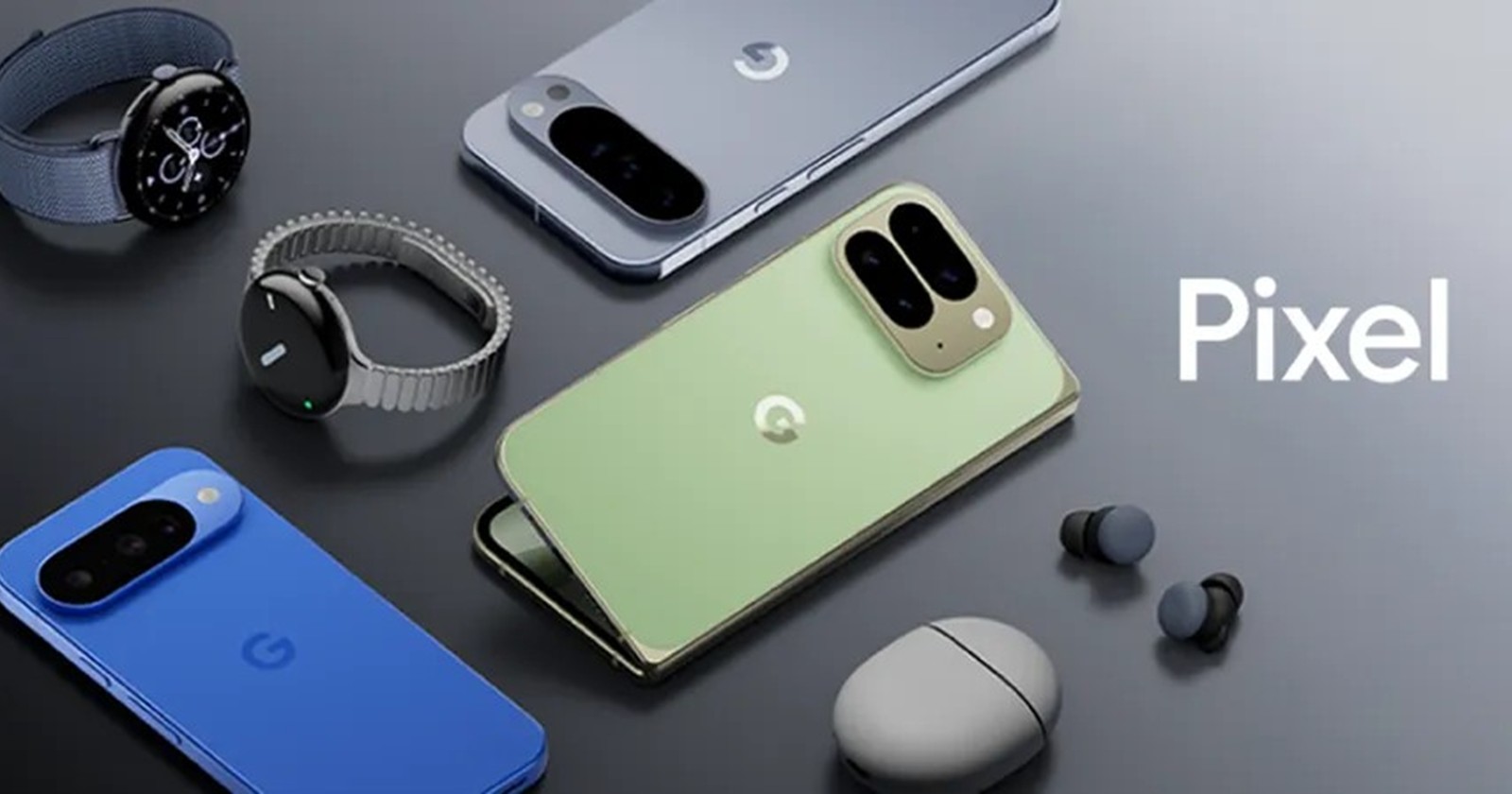
Google Pixel news this week has been unusually quiet, with only a few developments spanning software fixes, Android platform changes, user research, and hardware accessories. Headlining the conversation is a potential fix for pocket dialing and accidental taps, an issue Pixel users have complained about for years. That update arrives alongside other notable stories, including fresh Pixel 10 hardware details, Pixel Buds Pro improvements, Watch 4 accessories, and Qi2 charging expansions highlighted in our recent Pixel roundup.
Beyond that, Google is also quietly working on several changes that directly affect daily Pixel use, from granular Wi-Fi controls for shared devices to a controversial change in Pixel Launcher search behavior, while early Pixel 10 Pro users are now being surveyed about one of Google’s most unusual hardware features: the built-in thermometer.
Here’s a quick breakdown of the latest Pixel-related developments you should know about.
Android is adding granular Wi-Fi controls for shared devices
Google is testing new Wi-Fi sharing controls in Android that will let users decide whether a network should be accessible across different user profiles on the same device. This is particularly relevant for shared Pixels and Android tablets, where Wi-Fi credentials currently sync automatically between profiles.
In recent Android Canary builds, Google has introduced two new toggles when connecting to a Wi-Fi network:
- Share network – controls whether other users on the device can access the network without re-entering the password
- Allow users to edit network – determines whether other profiles can modify the network’s settings
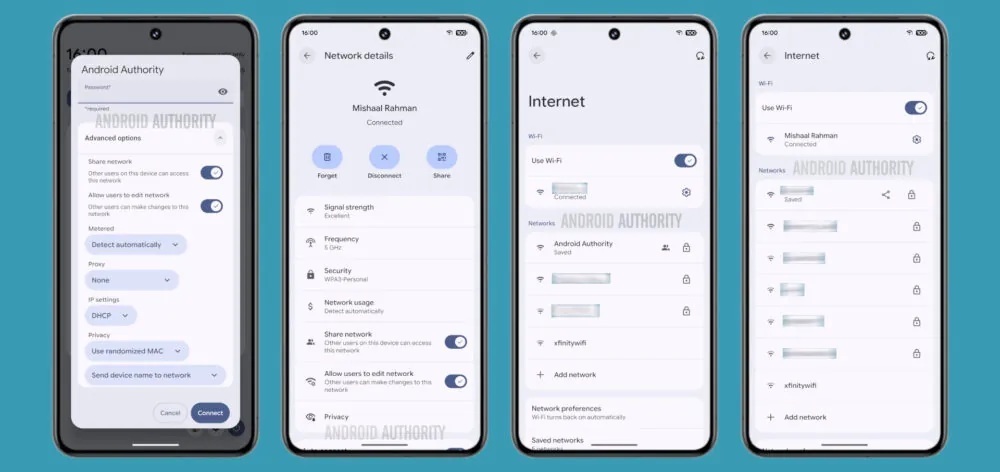
Both options are enabled by default and live under Advanced options when connecting through Quick Settings or via Settings > Network & Internet > Internet. Shared networks are marked with a multi-user icon, while saved but unshared networks show a dedicated share button.
In testing, disabling “Share network” successfully prevents other profiles from connecting without a password. However, the “Allow users to edit network” toggle appears incomplete, as secondary users are still blocked from editing network details.
While this is a niche quality-of-life improvement, it could be especially valuable for enterprise and institutional devices, such as shared Pixels in retail, healthcare, or education environments. Given how long the feature has been live in Canary, it’s expected to arrive in a future Android beta, possibly Android 16 QPR3.
Google surveys Pixel 10 Pro users about the Thermometer app
Some Pixel 10 Pro owners are now receiving an official survey from Google focused on the Thermometer app and body temperature sensing. Sent under the “Google Pixel” name, the survey aims to understand how the feature is used in real-world conditions.
Google explicitly notes that the data may be shared with regulatory authorities as part of its post-market surveillance obligations, underscoring the Thermometer’s classification as a medical-adjacent feature.
The survey asks whether users have measured body temperature in the past year, how frequently they use the app, how many readings they take to feel confident in the result, and whether they’ve encountered errors. It also digs into Fitbit integration, asking for feedback on how temperature data is presented and what users like or dislike overall.
The Thermometer has now appeared across three Pixel generations, starting with the Pixel 8 Pro, and Google’s continued investment suggests the company isn’t backing away from the feature anytime soon.
Google app is intentionally replacing Pixel Launcher search
A noticeable Pixel Launcher change rolling out now replaces the familiar translucent Pixel search UI with a fullscreen Google app-powered search experience. Importantly, Google has confirmed this is intentional and not a bug.
Previously, tapping the home screen search bar opened Pixel Launcher search, which supported app shortcuts and system tools like Clock, Contacts, Settings, Wallet, and Play Store. The new behavior launches the same Google Search interface found on other Android devices and inside the Google app itself.
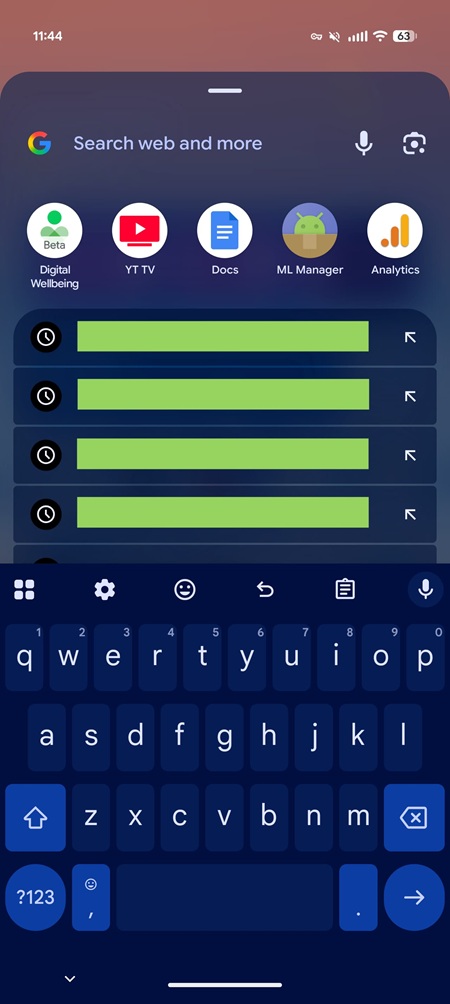
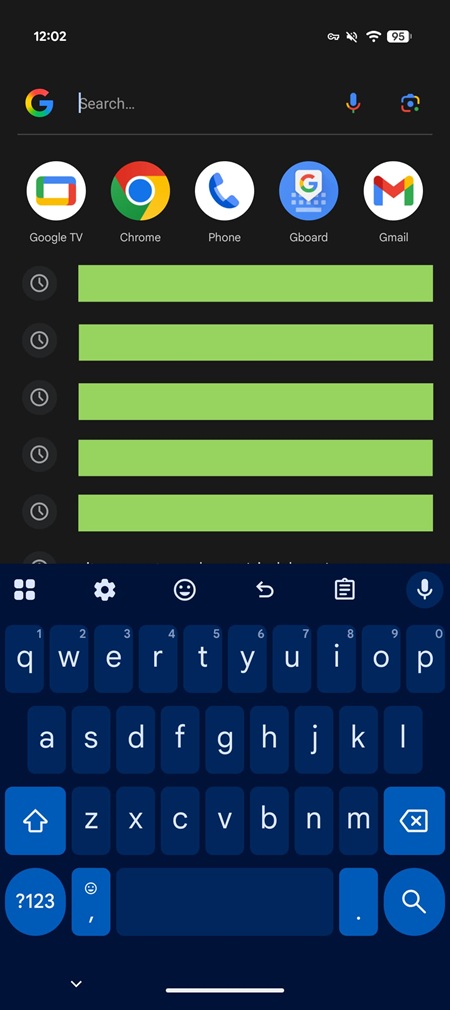
While you can still launch apps, the change removes native app search shortcuts and alters long-established muscle memory. Google says this update was announced as part of the November 2025 Feature Drop, positioning it as an “upgraded home screen search bar” designed to surface AI Mode more prominently and make it easier to resume past AI searches.
For users who prefer the old behavior, Pixel Launcher search still exists at the top of the app drawer, and enabling “Swipe up to start search” restores part of the previous experience. However, it’s a clear functional and visual regression for many.
Google Pixelsnap Qi2 chargers get their first discounts
Google’s Pixelsnap Qi2 chargers, launched alongside the Pixel 10 series, are seeing their first-ever discounts. The Pixel 10 lineup introduced built-in Qi2 magnets, giving Google an edge over Samsung’s 2025 flagships, which skipped integrated magnets altogether.
Current deals include:
- Pixelsnap Charger – $29.99 (down $10)
- Pixelsnap Charger with Stand – $49.99 (down $20)
Both chargers support up to 25W wireless charging on the Pixel 10 series. The stand variant props the phone upright while charging, while the standard puck connects to any compatible power adapter.
These aren’t necessarily the cheapest Qi2 chargers available, but as official Made by Google accessories, they’re designed specifically for Pixel magnet alignment and charging behavior.

Hillary Keverenge
2478 Posts
Tech has been my playground for over a decade. While the Android journey began early, it truly took flight with the revolutionary Lollipop update. Since then, it's been a parade of Android devices (with a sprinkle of iOS), culminating in a mostly happy marriage with Google's smart home ecosystem. Expect insightful articles and explorations of the ever-evolving world of Android and Google products coupled with occasional rants on the Nest smart home ecosystem.