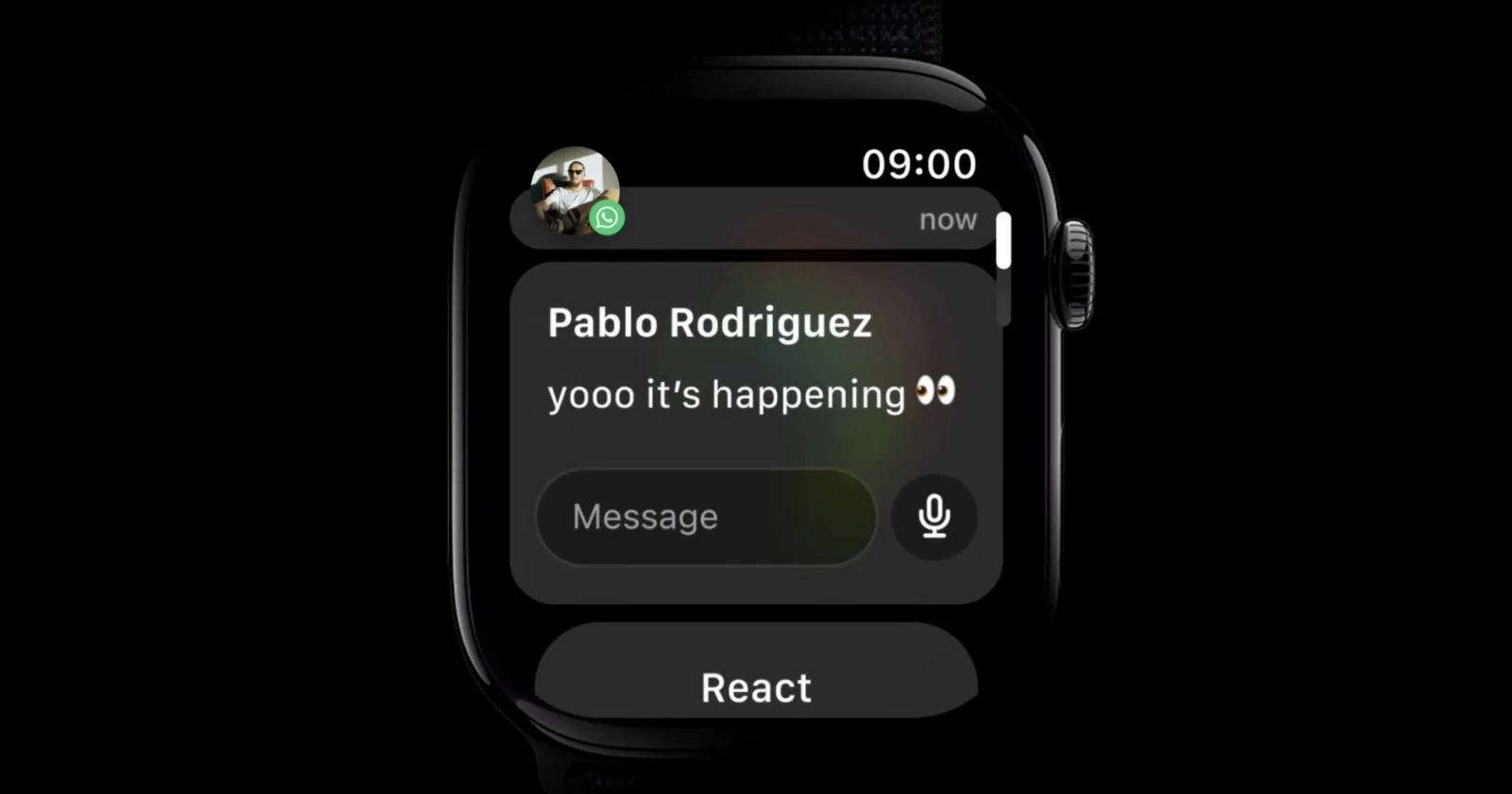
WhatsApp users in the European Union just got their first real taste of what third-party messaging interoperability looks like. BirdyChat, a productivity messaging app, has become the first platform to successfully integrate with WhatsApp’s new third-party chat system mandated by the Digital Markets Act.
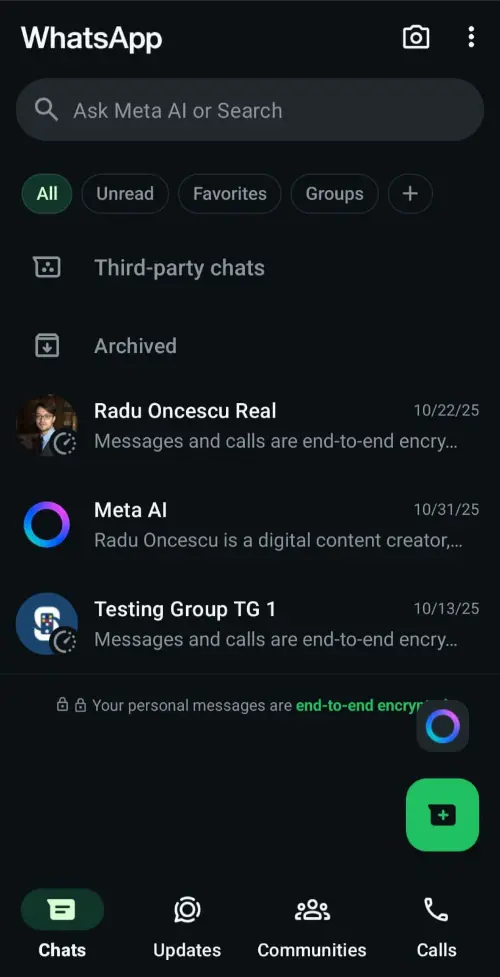
Tech writer Radu Oncescu shared screenshots showing how EU users can now manage third-party chats directly from within WhatsApp. The setup process walks users through several screens where they can choose how these external messages appear in their inbox.
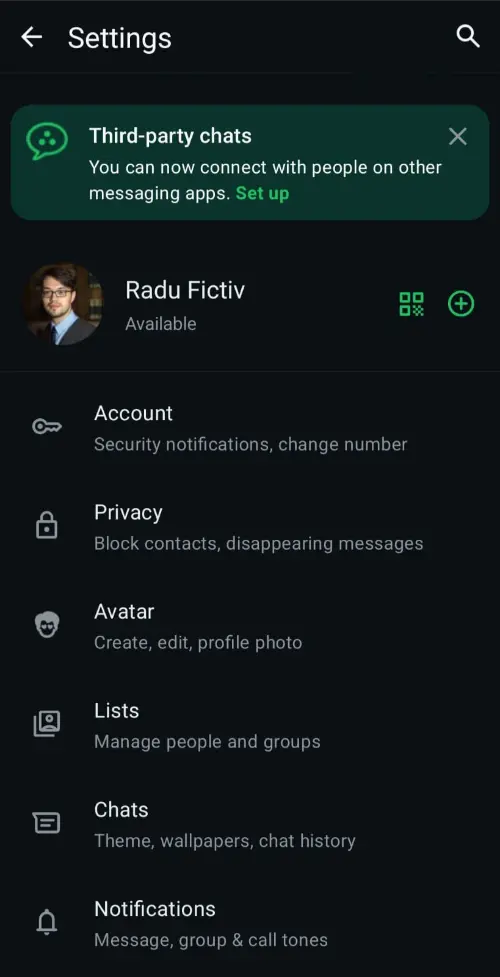

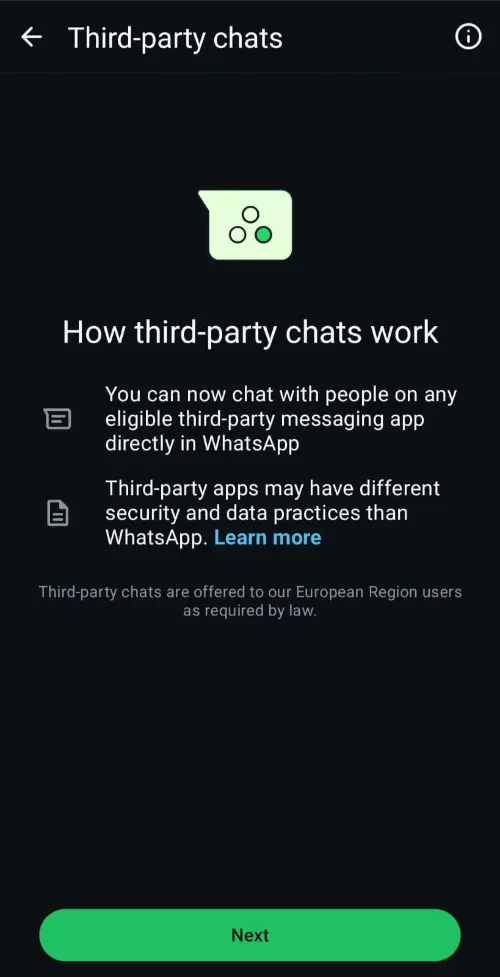
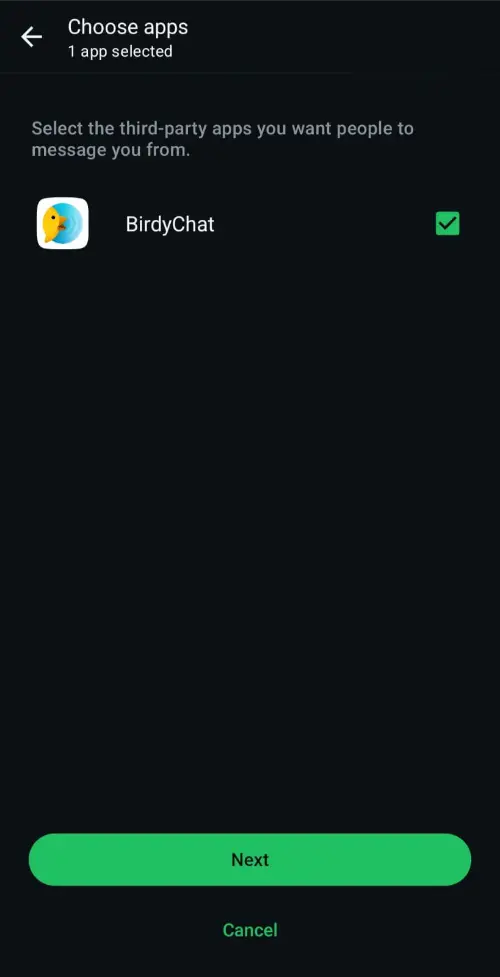
You can either keep third-party chats in a separate folder or combine everything into one unified inbox. It’s a pretty straightforward toggle, but the implications run deeper than just organizational preferences.
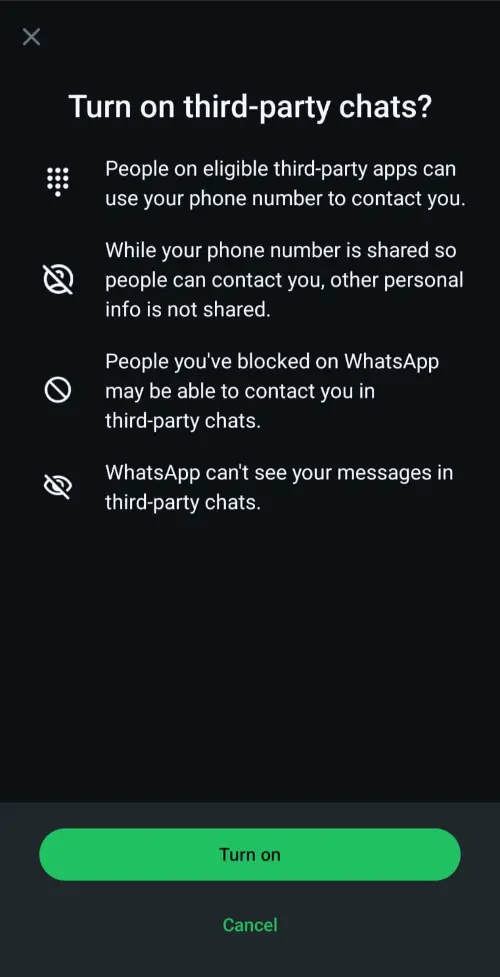
WhatsApp has been working on this integration since the Digital Markets Act came into force, requiring designated “gatekeeper” messaging services to enable interoperability with third-party platforms. The company made it clear from the beginning that this would be an opt-in feature, and the screenshots confirm that approach. Users have to manually enable third-party chat support through Settings → Account → Third-party chats, where WhatsApp displays a warning that scams and spam may be more prevalent in these conversations.
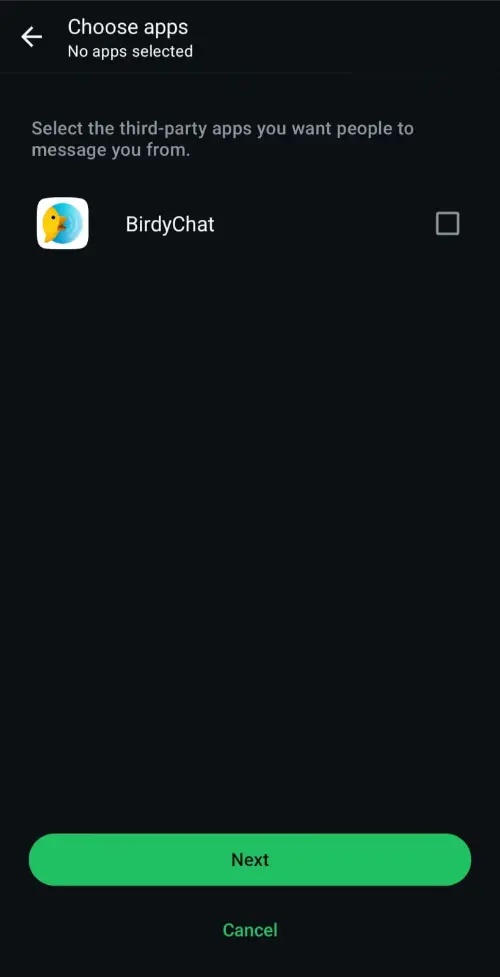

What makes BirdyChat’s achievement noteworthy is the technical hurdle involved. WhatsApp requires third-party providers to use the Signal Protocol to maximize user security, the same encryption standard that has been WhatsApp’s foundation since 2016.
Not every messaging app can meet these encryption requirements right away, which explains why BirdyChat is currently alone in this space while bigger names like Telegram and Signal haven’t yet integrated.
The implementation also reveals Meta’s cautious approach to maintaining security standards. Third-party chats won’t have identical features to native WhatsApp conversations, and users need to understand that the security and privacy promises may differ slightly from what they’re used to with regular WhatsApp chats.
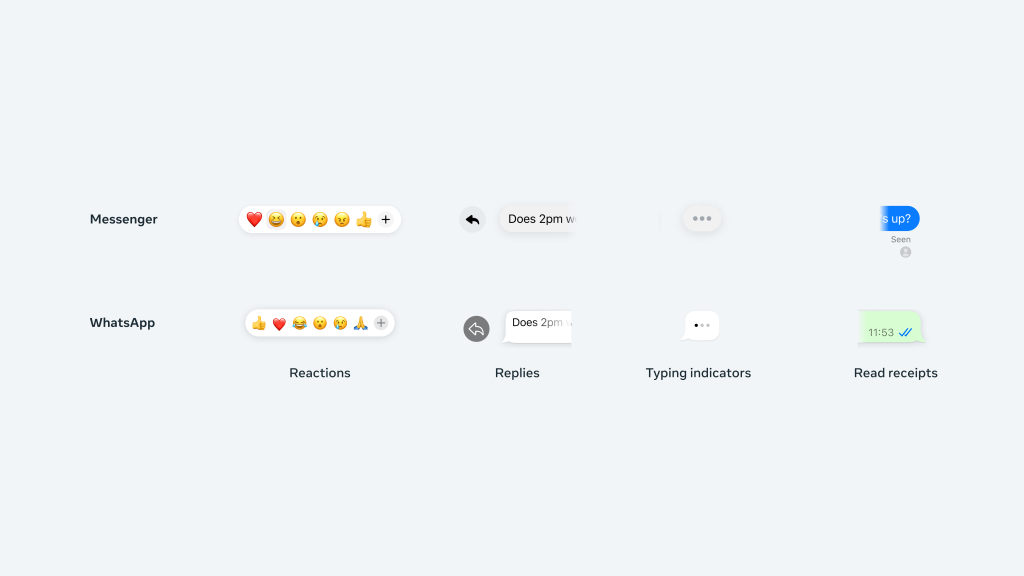
Meta has gone beyond basic DMA requirements by including rich messaging features like reactions, direct replies, typing indicators, and read receipts, with group functionality planned for 2025 and voice/video calling scheduled for 2027.
Looking ahead, there’s another major privacy update on the horizon. WhatsApp has confirmed that usernames will launch in 2026, allowing users and businesses to connect without revealing their phone numbers. The company has set a June 2026 deadline for businesses using the WhatsApp Business API to update their systems to support usernames and the new Business-Scoped User ID, as noted by WABetaInfo.
This feature has been in development for quite some time, with extensive work required to redesign core infrastructure while maintaining end-to-end encryption.
The username system will work similarly to other platforms like Telegram or Signal, where people can search for and message others using handles instead of phone numbers. Since WhatsApp emphasized that usernames will become available next year with businesses needing to adapt by June 2026, the ability to reserve a username may roll out during the first half of the year.
In other WhatsApp news, the app has added a new Music Categories tab for Status updates, making it easier to browse and select songs when creating status posts.
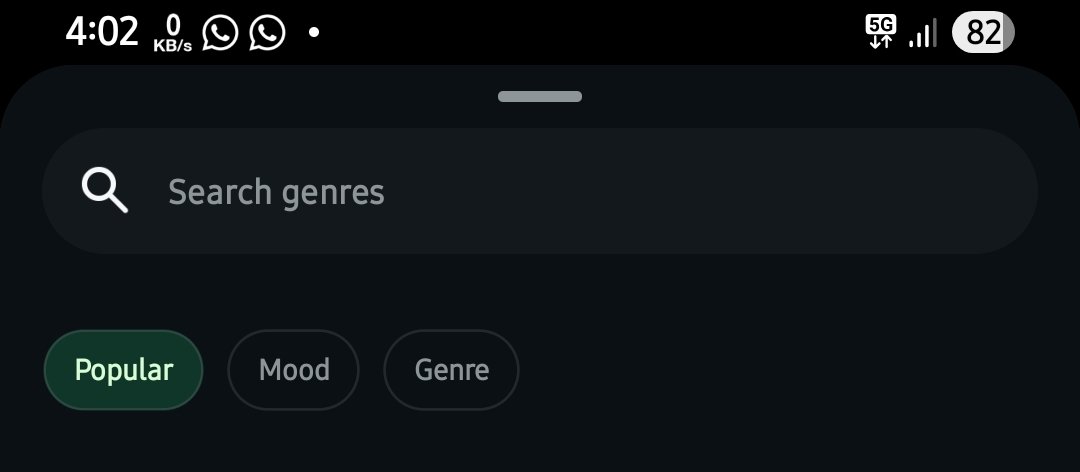
It’s a minor addition compared to third-party chats and usernames, but it shows WhatsApp continues iterating on smaller quality-of-life improvements alongside these larger privacy-focused changes.

Dwayne Cubbins
1804 Posts
My fascination with Android phones began the moment I got my hands on one. Since then, I've been on a journey to decode the ever-evolving tech landscape, fueled by a passion for both the "how" and the "why." Since 2018, I've been crafting content that empowers users and demystifies the tech world. From in-depth how-to guides that unlock your phone's potential to breaking news based on original research, I strive to make tech accessible and engaging.
Next article View Article