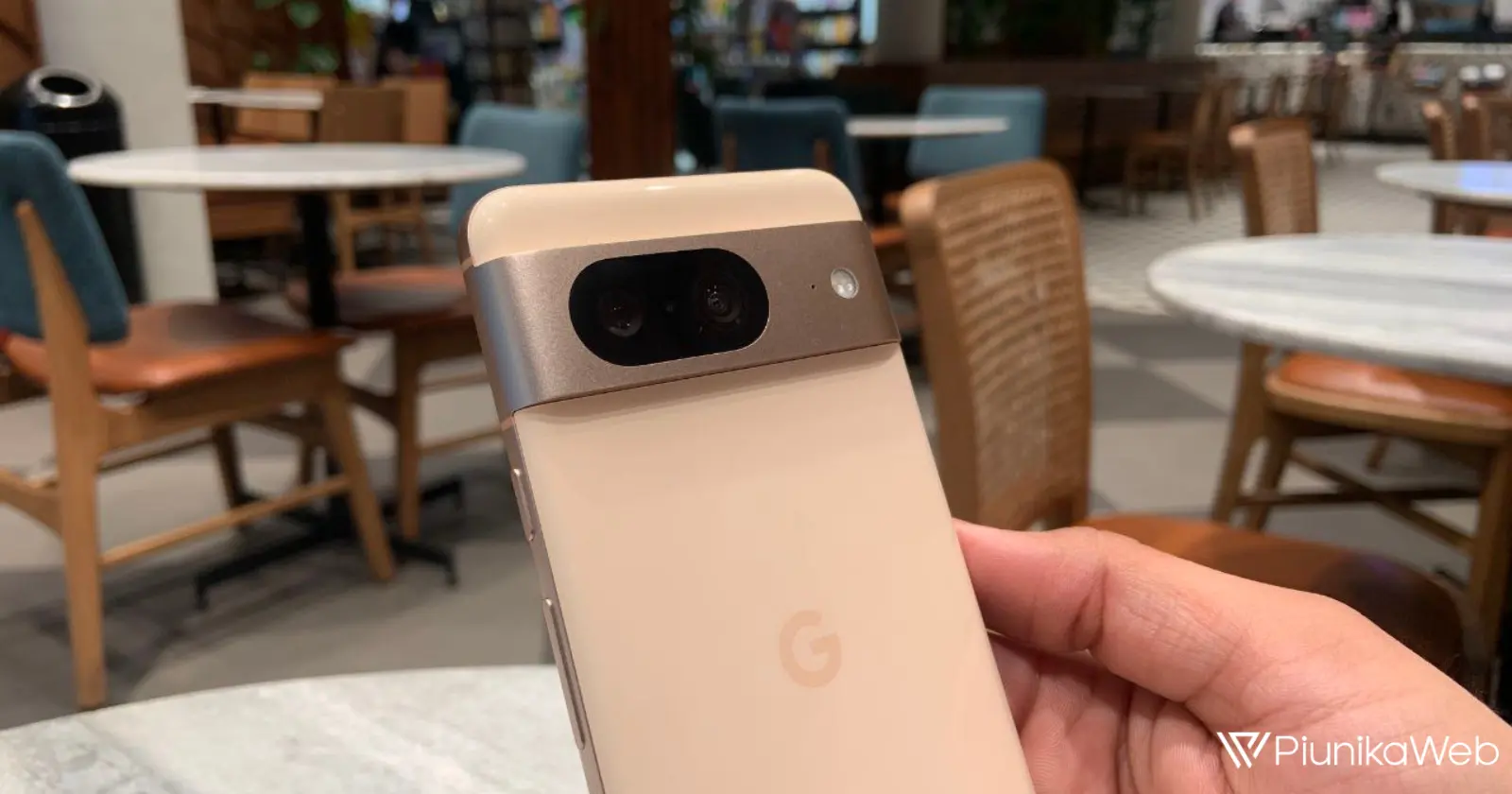
A recent warranty dispute involving a dead Pixel 8 has shone a spotlight on a potentially wider and deeply concerning issue: an increasing number of older Google Pixel phones, particularly those powered by the Tensor chipset (Pixel 6, Pixel 7, and now Pixel 8 series), are abruptly dying without warning. While the number of affected units may not yet constitute a massive recall, the pattern of sudden, unexplained failure is raising serious questions about the long-term reliability of Google’s flagship hardware.
The case that sparked a bigger conversation
About three weeks ago, Reddit user u/Arpag shared a post in the r/Android subreddit detailing how their Pixel 8 suddenly stopped working overnight while charging normally. When sent for repair, Google allegedly denied warranty coverage, citing “liquid damage,” but crucially refused to provide any evidence to support that claim.
Despite being covered under the EU’s three-year legal warranty, Arpag was handed a €644.52 repair bill. When they asked for technical proof (such as LDI readings or photos), Google reportedly said it had no documentation since the device was returned immediately after the quote was declined.
Under EU Directive 2019/771, sellers must provide proof when excluding warranty coverage due to alleged misuse, meaning Google is legally required to show evidence if it wants to deny a repair. Without that, the fault is presumed to have existed at delivery.
After Google failed to respond meaningfully, the case has now escalated to the Portuguese consumer protection system and ECC-Net, the EU’s official cross-border dispute resolution body. “Under EU law, the seller must prove misuse — Google did not,” wrote Arpag in their update post. “If you’re in the EU and get this treatment, don’t fight Google support forever — escalate to ECC-Net.”
The situation has drawn attention from other Pixel owners and consumer advocates, with many calling on Google to be more transparent about warranty rejections and diagnostic processes.
A pattern across multiple Pixel generations
While Arpag’s case stands out for its legal implications, it’s far from isolated. Across Reddit, users with Pixel 6, 7, and 8 series devices are reporting identical symptoms: phones that suddenly go dark, refuse to boot, and show no charging indicators.
The common thread? Most affected devices are powered by Google’s Tensor chipsets. For instance, a technician recently reported seeing multiple Pixel 6 units “dead on arrival”, noting “heavy heat wear” near the processor area. Others describe their Pixel 7 or 7 Pro dying overnight or during charging, sometimes after a software update. Several Pixel 8 and 8 Pro users echo similar experiences, including total hardware failure requiring costly motherboard replacements.
While the exact failure mechanism remains unclear, reports consistently suggest mainboard-level damage or short-circuiting, often with no prior warning or physical damage.
Could the Tensor chip be the common denominator?
It’s still speculative and worth stressing that the number of affected devices remains small relative to total Pixel sales. But the clustering of cases around Tensor-powered phones raises some difficult questions.
Google’s custom Tensor SoC has been praised for enabling advanced AI features and on-device processing, but it also runs warmer than average and has shown variable power efficiency over time.
If these failures are linked to heat or long-term degradation of the Tensor silicon, that could spell trouble for Google’s seven-year software update promise. After all, extended OS support only matters if the hardware survives long enough to receive it.
At present, there’s no evidence of a widespread defect or recall-level issue. But the rising frequency of “sudden death” reports has users worried. Even if only a fraction of Pixel units are affected, each case chips away at consumer confidence, particularly when support interactions end in frustration like with the latest EU case.
Why Google’s handling of the EU case matters
Had Google simply replaced Arpag’s Pixel 8 or provided evidence to justify the “liquid damage” diagnosis, the issue might never have reached EU regulators. Instead, the case now risks drawing official scrutiny to Google’s repair and warranty practices in Europe.
Transparency in post-sale service is a core principle under EU consumer law, and Google’s failure to produce supporting evidence could set an important precedent for future warranty disputes.
Beyond legal implications, it’s a trust issue. Hardware reliability is central to Google’s ambitions of competing seriously with Apple and Samsung. When customers feel unsupported, especially on premium devices, it undermines the company’s growing hardware ecosystem.
Sure, there’s no conclusive proof yet that Google’s Tensor chipsets are inherently flawed. But mounting anecdotal evidence points to a trend of Pixel 6 through Pixel 8 phones dying unexpectedly, often out of warranty and without a clear explanation.
The Arpag case has brought this simmering issue into sharper focus, and Google’s next move — both in handling the EU complaint and addressing affected customers — could determine whether this becomes an isolated controversy or the start of a larger reckoning for Pixel reliability.

Hillary Keverenge
2471 Posts
Tech has been my playground for over a decade. While the Android journey began early, it truly took flight with the revolutionary Lollipop update. Since then, it's been a parade of Android devices (with a sprinkle of iOS), culminating in a mostly happy marriage with Google's smart home ecosystem. Expect insightful articles and explorations of the ever-evolving world of Android and Google products coupled with occasional rants on the Nest smart home ecosystem.
Next article View Article