





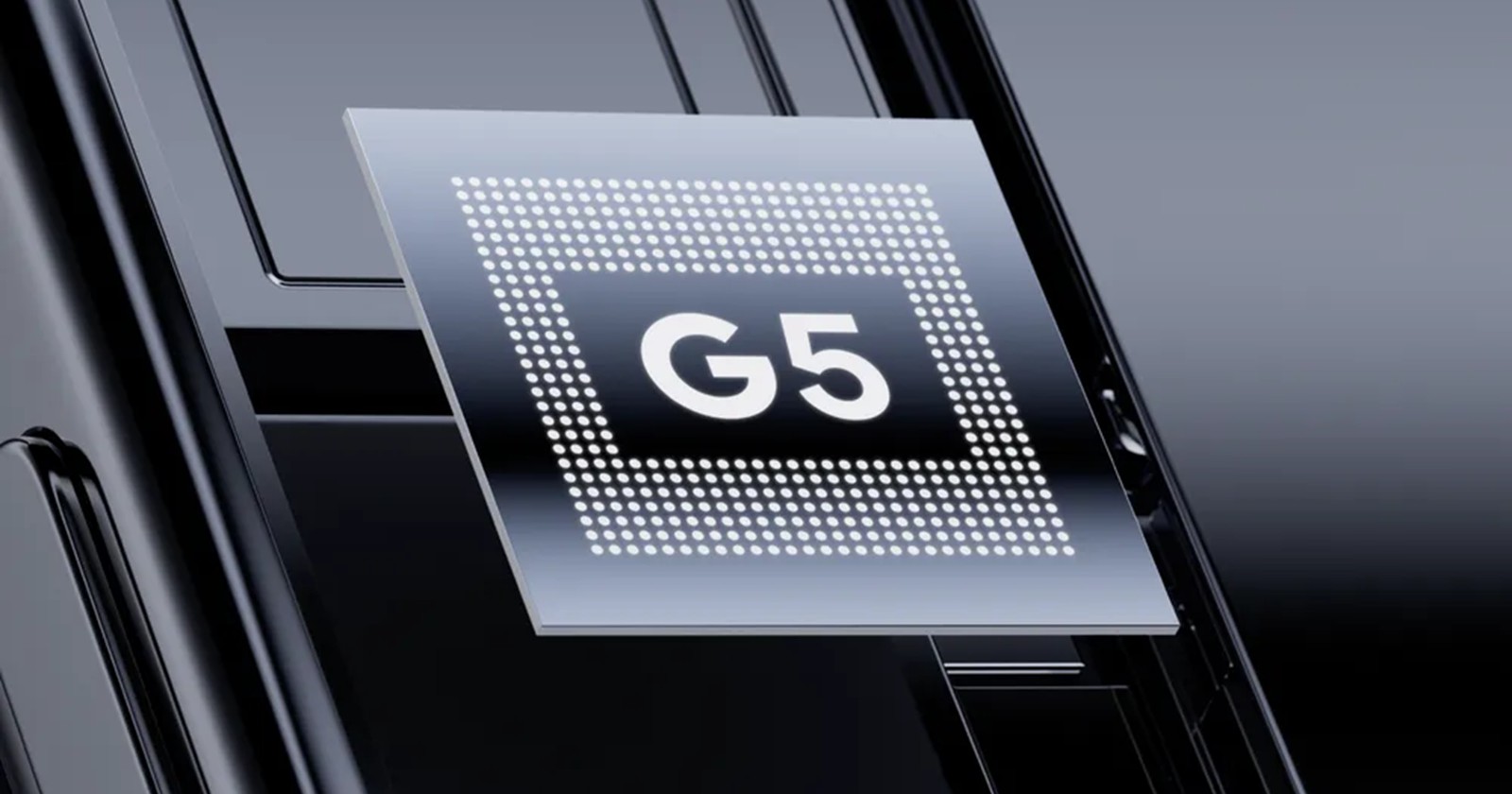
For Pixel 10 owners who have been let down by the phone’s gaming performance, there’s light at the end of the tunnel. After a launch marred by reports of sluggish GPU performance and stability issues, Google has confirmed that help is on the way in the form of dedicated driver updates.
In a statement, Google outlined its commitment to refining the GPU experience on its latest flagship:
"We are continuing to improve driver quality in our monthly and quarterly system updates. For example, the most recent September and October patch releases included driver improvements. In future releases we are planning further GPU driver updates."This is undoubtedly good news. For weeks, the narrative around the Pixel 10’s new Tensor G5 chip and its Imagination PowerVR GPU has been one of disappointment. Benchmarks showed it lagging behind even last year’s Pixel 9 Pro, and community forums on Reddit have been filled with complaints of stuttering gameplay, excessive battery drain during graphically intensive tasks, and video playback glitches.
The core issue has been widely suspected to be outdated software. The Pixel 10 launched with driver version 24.3, a notable step behind Imagination’s v25.1 release from August, which packed in Android 16 compatibility and key Vulkan 1.4 support. The upcoming updates are expected to close this gap, which could directly address many of the bugs and inefficiencies users are currently facing, including the frustrating “compiling shaders” crash reported by Genshin Impact players on PowerVR devices.
However, while these updates are set to deliver a much-needed performance boost, it’s important to frame what that “boost” will realistically look like. Users shouldn’t expect a software patch to magically turn the Tensor G5 into a competitor for Qualcomm’s Adreno muscle cars.
The Tensor G5’s design philosophy appears to prioritize efficiency over raw, sustained power. As discovered by Android Authority, the GPU is capable of hitting 1.1GHz but prefers to operate at a far more conservative 396MHz for most tasks, only ramping up in short bursts. This “race-to-idle” strategy is great for battery life and keeping the phone cool, but it’s a fundamental architectural choice that a driver update can’t completely rewrite.
An updated driver can optimize when and how efficiently the GPU uses its power, smoothing out frame rates and fixing compatibility issues. But it won’t change the hardware’s inherent preference for short sprints over a prolonged marathon. The disappointment surrounding the Tensor G5, especially given it’s Google’s first fully-controlled chip on TSMC’s advanced 3nm process, stems from this performance ceiling.
Google’s confirmation is a welcome and necessary step. For anyone who has struggled with gaming on the Pixel 10, these forthcoming updates should bring tangible improvements, making for a more stable and enjoyable experience. Fixing bugs and optimizing the existing hardware is exactly what users have been asking for.
That said, it’s crucial to keep expectations in check. These updates are poised to elevate the Pixel 10’s GPU from frustratingly underperforming to reliably capable. It will likely fix the worst of the issues and make gaming a viable pastime on the device. However, it won’t fundamentally alter the Tensor G5’s character as an efficiency-focused chip into a gaming beast. The Pixel 10 is getting a boost, not a heart transplant.

Hillary Keverenge
2471 Posts
Tech has been my playground for over a decade. While the Android journey began early, it truly took flight with the revolutionary Lollipop update. Since then, it's been a parade of Android devices (with a sprinkle of iOS), culminating in a mostly happy marriage with Google's smart home ecosystem. Expect insightful articles and explorations of the ever-evolving world of Android and Google products coupled with occasional rants on the Nest smart home ecosystem.
Next article View Article
