If you’ve used a Google Pixel at any point since the Tensor era began with the Pixel 6, you’ve probably encountered the recurring frustration: battery life that feels allergic to longevity. Sure, the overheating issues have mostly cooled off with Tensor G3 through G5, but the battery drain has remained that obnoxious background character nobody invited.
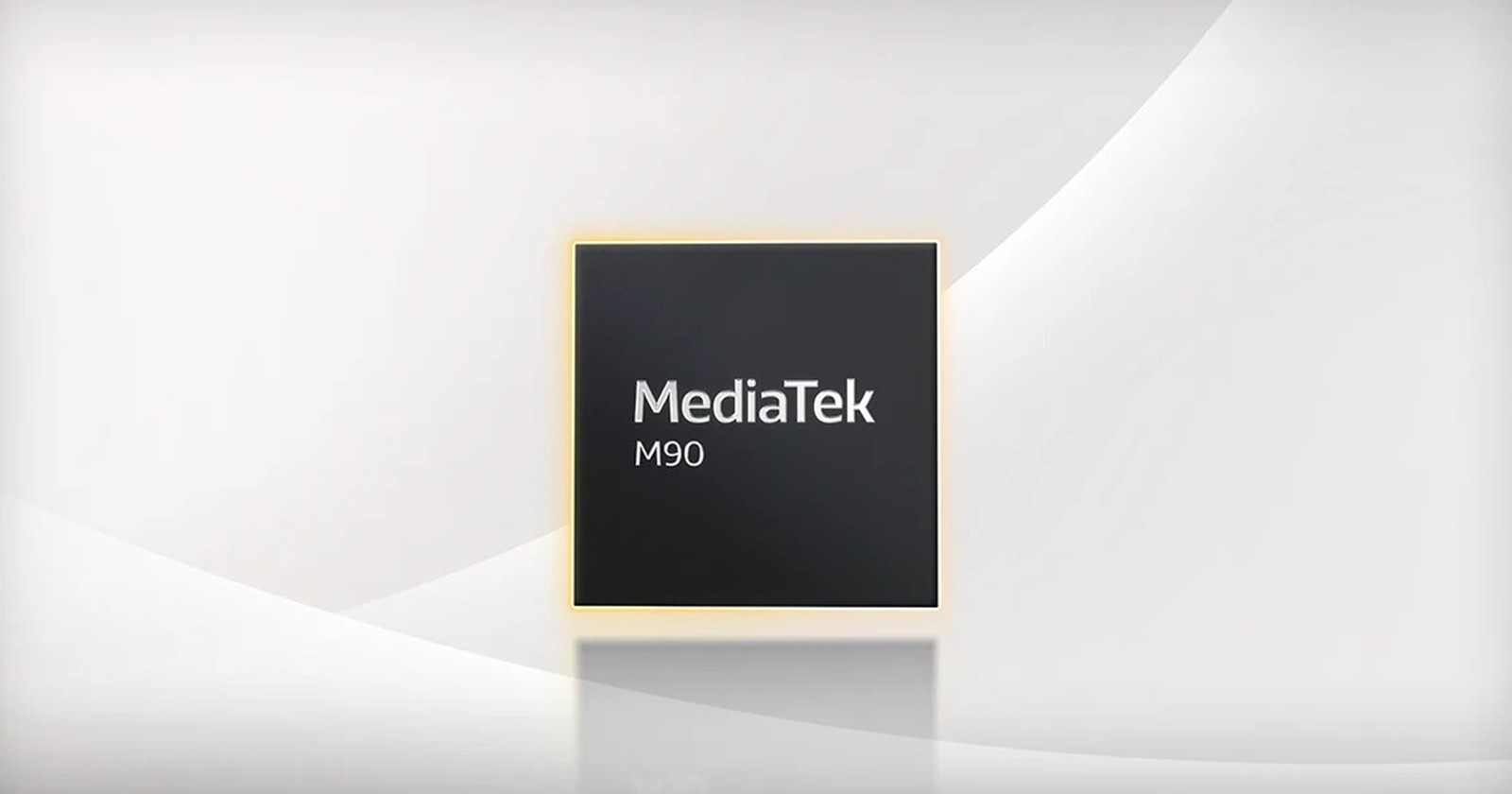
Now, Google seems to be quietly plotting a fix, and the solution isn’t coming from Samsung this time. According to fresh leaks, the upcoming Tensor G6 powering the Pixel 11 is being tested with a MediaTek M90 modem, marking the first modem swap in Tensor history. Yes, Samsung’s Exynos modems may finally be getting the boot.
Interestingly, this pivot mirrors what Xiaomi already pulled off with its in-house XRING O1 chipset, which used a MediaTek T800 modem. Turns out, Xiaomi may have accidentally given Google the cheat sheet.
From Exynos to MediaTek: an overdue breakup?
Samsung’s Exynos 5400i modem has been riding shotgun since the Pixel 9 and Pixel 10, and while it calmed down the overheating chaos of earlier generations, it never fully solved the battery drain. MediaTek’s M90, on the other hand, promises up to 18% lower average power consumption and boasts 12Gbps peak downlink speeds, dual 5G SIM dual-active support, AI-assisted power efficiency, and satellite connectivity.
I don’t know about you, but if a modem can shave even 10–15% off the Pixel’s battery tantrums, that’s a small miracle. Google already ditched Samsung’s foundry for the Pixel 10’s Tensor G5 in favor of TSMC, and now it looks ready to complete the escape with the modem, too.
Leaks show early internal testing with a baseband tagged “a900a,” reportedly referring to the M90. Even the bootloader carries a new codename — “spacecraft” — replacing the Pixel 10’s “deepspace.” If nothing else, at least someone on the Pixel team is having fun.

Xiaomi did it, and Google seems to have noticed
Xiaomi’s XRING O1 chip didn’t just use a MediaTek modem. It made the move look smart before anyone else dared. And honestly, if Google is now taking cues from Xiaomi to solve its biggest Pixel headache, that’s not a bad look. It’s called humility. Or desperation. Or both.
But either way, users win.
The M90 was unveiled at MWC 2025 and seems purpose-built for brands wanting top speeds without sacrificing endurance. Personally, I’d love to stop nervously checking my phone’s battery percentage after every Google Maps session. And I’m pretty sure if MediaTek can stop the Pixel from auditioning as a portable power bank killer, you won’t hesitate to send them a fruit basket.
Malibu, modems, and maybe hope
Tensor G6 (codename “Malibu”) is rumored to be built on TSMC’s 3nm or even 2nm process, depending on which leak you trust. Pair that efficiency bump with a power-thrifty modem and, dare I say it, the Pixel 11 might finally ditch its battery anxiety reputation.
We’re still early in the leaks, and nothing is guaranteed until Google steps on stage. But this could be the most meaningful Pixel hardware change since Tensor’s debut. Not because it’s flashy, but because it fixes something fans have been grumbling about for four generations straight.
If MediaTek ends up bailing out the Pixel’s battery life where Samsung couldn’t, that’s one plot twist I’m absolutely here for.


Hillary Keverenge
2723 Posts
Tech has been my playground for over a decade. While the Android journey began early, it truly took flight with the revolutionary Lollipop update. Since then, it's been a parade of Android devices (with a sprinkle of iOS), culminating in a mostly happy marriage with Google's smart home ecosystem. Expect insightful articles and explorations of the ever-evolving world of Android and Google products coupled with occasional rants on the Nest smart home ecosystem.
Next article View Article