Part of loving the Pixel lineup is accepting that Google treats its phones like a sci-fi testing lab. Every few years, it throws in a bold idea, watches us fall in love with it (or roast it), and then quietly… you know… kills it with no explanation.
Being a Thursday, it’s the perfect excuse to take a TBT stroll through some of Google’s most ambitious experiments that flashed, fizzled, and vanished, even though many of us still talk about them like an ex we never got closure from. The kind we miss, mock, or secretly hope will return in some reincarnated form.
Let’s get nostalgic.
Motion Sense & Project Soli: wave if you remember
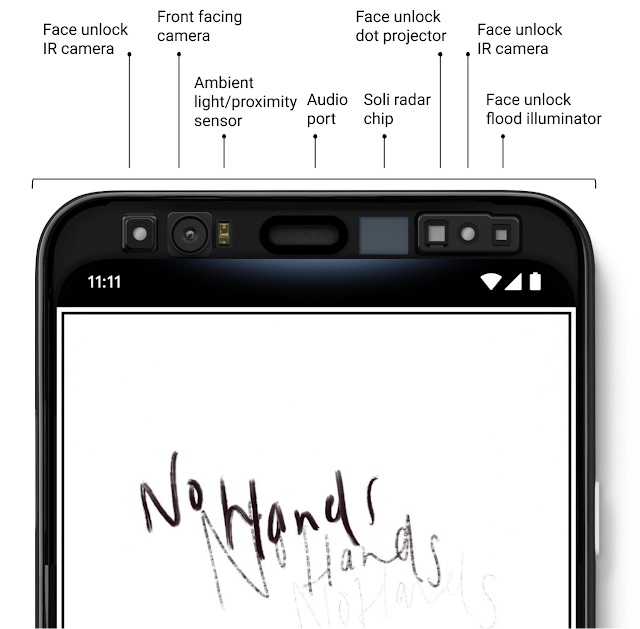
When the Pixel 4 came stuffed with radar, people thought Google had lost its mind. In a good way. Motion Sense let you skip tracks, silence alarms, and trigger animations just by waving your hand like a wizard. It was powered by Project Soli, a mini radar chip Google had hyped for years.
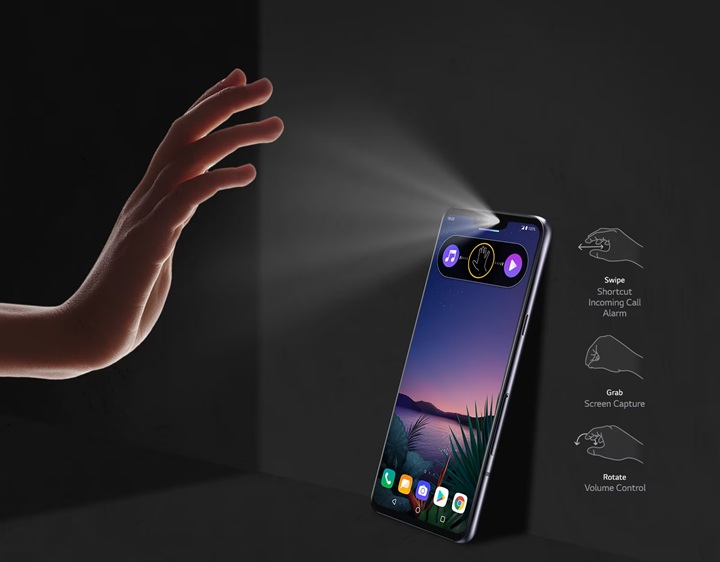
But the real-world use was so limited that most people forgot the feature existed. The gestures didn’t work with many apps, and Soli struggled with precision. Apple and Samsung never bothered adding radar gestures to their phones, instead focusing on proximity sensors, cameras, and touchless air gestures that either worked better (like Samsung’s early Galaxy Air Gestures) or failed more famously (like LG’s G8 ThinQ Hand ID and motion controls). Oppo and Vivo also flirted with air gestures but quickly abandoned them.
Google quietly packed Soli into Nest Hub devices instead, where it tracks your sleep rather than your Spotify.
Unlimited original-quality Google Photos backup
Ah, the glory days. From the Pixel 1 through Pixel 5, you could back up full-resolution photos to Google Photos with zero compression. No limits. No guilt. It was one of the biggest bragging rights in smartphone history.
Then came the Tensor era and that perk vanished. Pixels now get the same “Storage Saver” options everyone else does. Samsung addressed this issue by integrating OneDrive backups, which, unfortunately, may soon come to an end. Meanwhile, Huawei developed its own cloud service before ultimately losing Google’s services entirely. No one else has really matched the old Pixel Photos deal, maybe because it was too good for Google’s business to keep alive.
To this day, veteran Pixel fans still hold this against the company like a breakup they never agreed to.
Active Edge: the squeeze that squeezed its last
Pixels 2, 3, and 4 series had Active Edge, a pressure-sensitive frame that let you summon Google Assistant by squeezing the phone. It was simple, fast, and low-key addictive.
It was originally borrowed from HTC’s “Edge Sense” (remember the U11?), but Google refined it with better haptics. But once gesture navigation and voice activation got more reliable, Active Edge was cut without ceremony. Apple never tried it, Samsung skipped it, and OnePlus replaced physical triggers with alert sliders instead. Asus later added “AirTriggers” on its gaming phones, but those are more about shoulder buttons than squeezes.
Would it still make sense today? Probably. Will Google bring it back? Unlikely, which is exactly why we miss it.
Duplex AI calls
Back in 2018, Duplex made headlines because it sounded more human than some humans. You could ask Google Assistant to make a restaurant reservation, and it would call the business itself, complete with pauses, confirmations, and natural speech. For a moment, it felt like we were living in 2050.
But its rollout was painfully limited. Only select regions and businesses supported it, and privacy questions made some companies refuse calls from AI altogether. Google eventually killed the web-based part of Duplex in 2022, and the voice-calling version lives on quietly as “Calls from Google Assistant” in a few regions like the U.S. and parts of Europe. Features like Hold For Me survived and are still exclusive to Pixel.
Meanwhile, Apple never attempted anything similar. Samsung relies on Bixby to handle automated tasks locally, not to place calls. Chinese brands like Xiaomi, Vivo, or Huawei focused more on AI camera and translation features, skipping the ethics headache of AI voice calls. At least outside China. Duplex remains one of the coolest ideas Google ever showed off, and one of the quickest to fade into obscurity.
3D Face Unlock
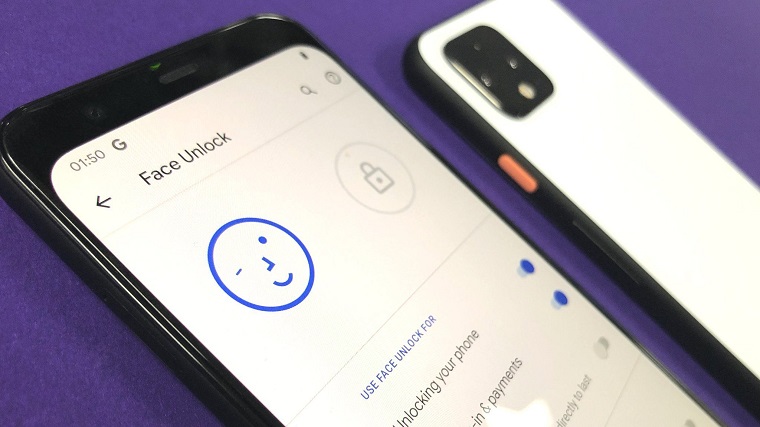
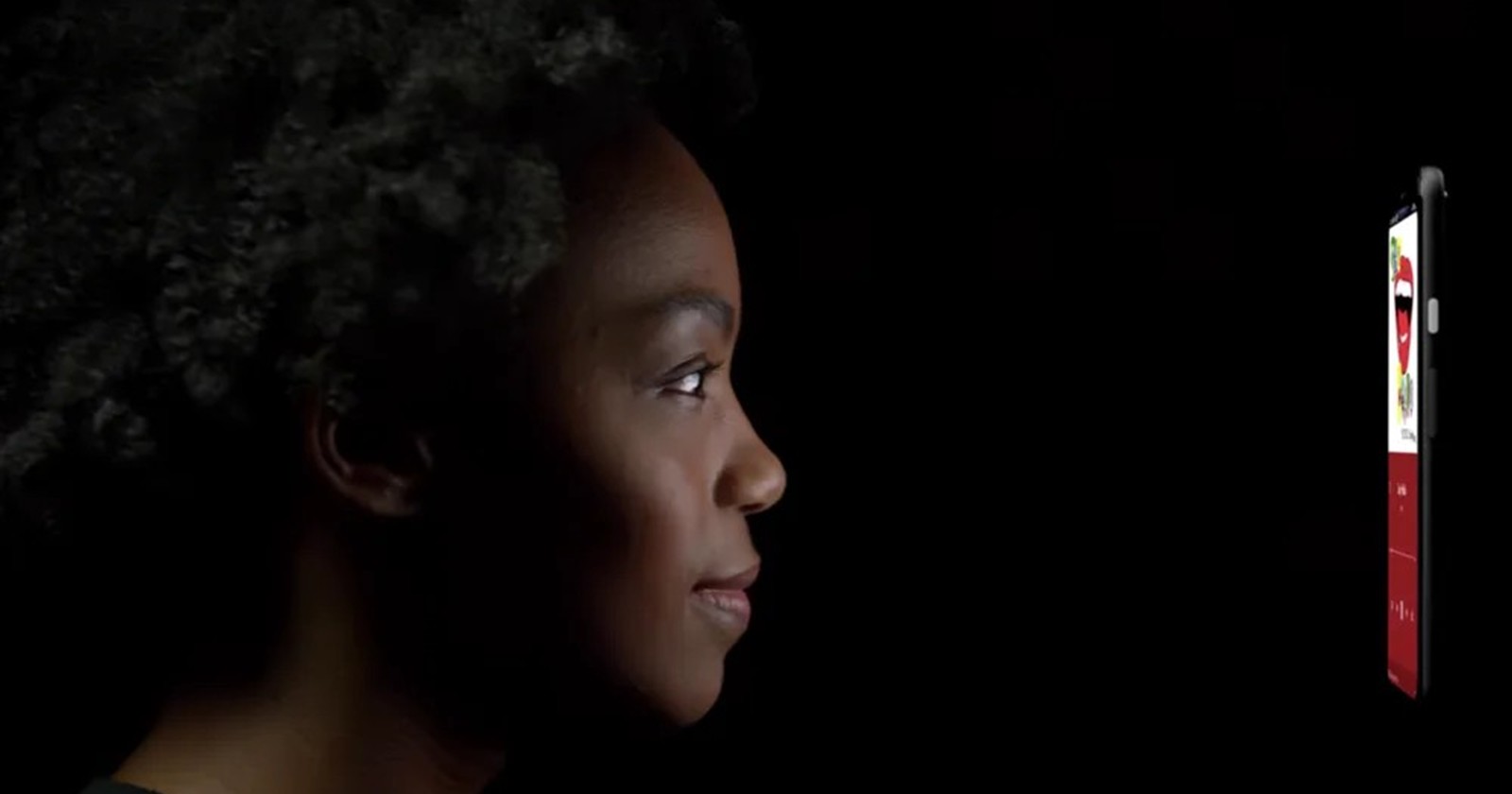
The Pixel 4’s face unlock was ahead of its time. Secure 3D scanning with Soli-assisted detection, working instantly from odd angles and even in darkness. It rivaled Apple’s Face ID on speed and accuracy.
But Google dropped it entirely on the Pixel 5 and only brought back a watered-down version via Tensor-powered face recognition on newer models using front camera smarts rather than full depth hardware. Apple doubled down on Face ID, Samsung kept weak facial unlocks (with iris scanning dropped after the Galaxy S9), and Huawei’s Mate 20 Pro had a strong 3D face unlock but didn’t stick with it either due to costs and design constraints.
In retrospect, the Pixel 4’s version remains the most advanced face unlock ever attempted on an Android, even if it didn’t survive past one generation.
Stadia, the Pixel’s gaming experiment that didn’t survive
Google Pixel phones aren’t your go-to picks for great gaming performance. And so to address this, Stadia launched hand-in-hand with the Pixel 4, pitched as the future of cloud gaming without consoles. For a few months, Pixel owners looked like they were living in a parallel universe where Assassin’s Creed came through a browser tab.
Then, in classic Google fashion, support thinned out, updates slowed, and the shutdown announcement dropped before most people even tried it. Microsoft carried on with Xbox Cloud Gaming, Nvidia refined GeForce Now, and Apple and Android both leaned more into mobile-native gaming instead.
Google salvaged the Stadia controller via Bluetooth updates, but the platform became another chapter in the ‘killed by Google‘ graveyard.
Which Pixel experiment do you miss the most?
Between radar gestures, invisible butlers, squeezable phones, and photo storage that felt like a cheat code, the Pixel lineup has had more bold ideas than some brands have had phones.
Some of these features failed. Some were ahead of their time. Others were victims of cost, licensing, or Google’s short attention span. But all of them made Pixel ownership feel… different.

Hillary Keverenge
2476 Posts
Tech has been my playground for over a decade. While the Android journey began early, it truly took flight with the revolutionary Lollipop update. Since then, it's been a parade of Android devices (with a sprinkle of iOS), culminating in a mostly happy marriage with Google's smart home ecosystem. Expect insightful articles and explorations of the ever-evolving world of Android and Google products coupled with occasional rants on the Nest smart home ecosystem.
Next article View Article