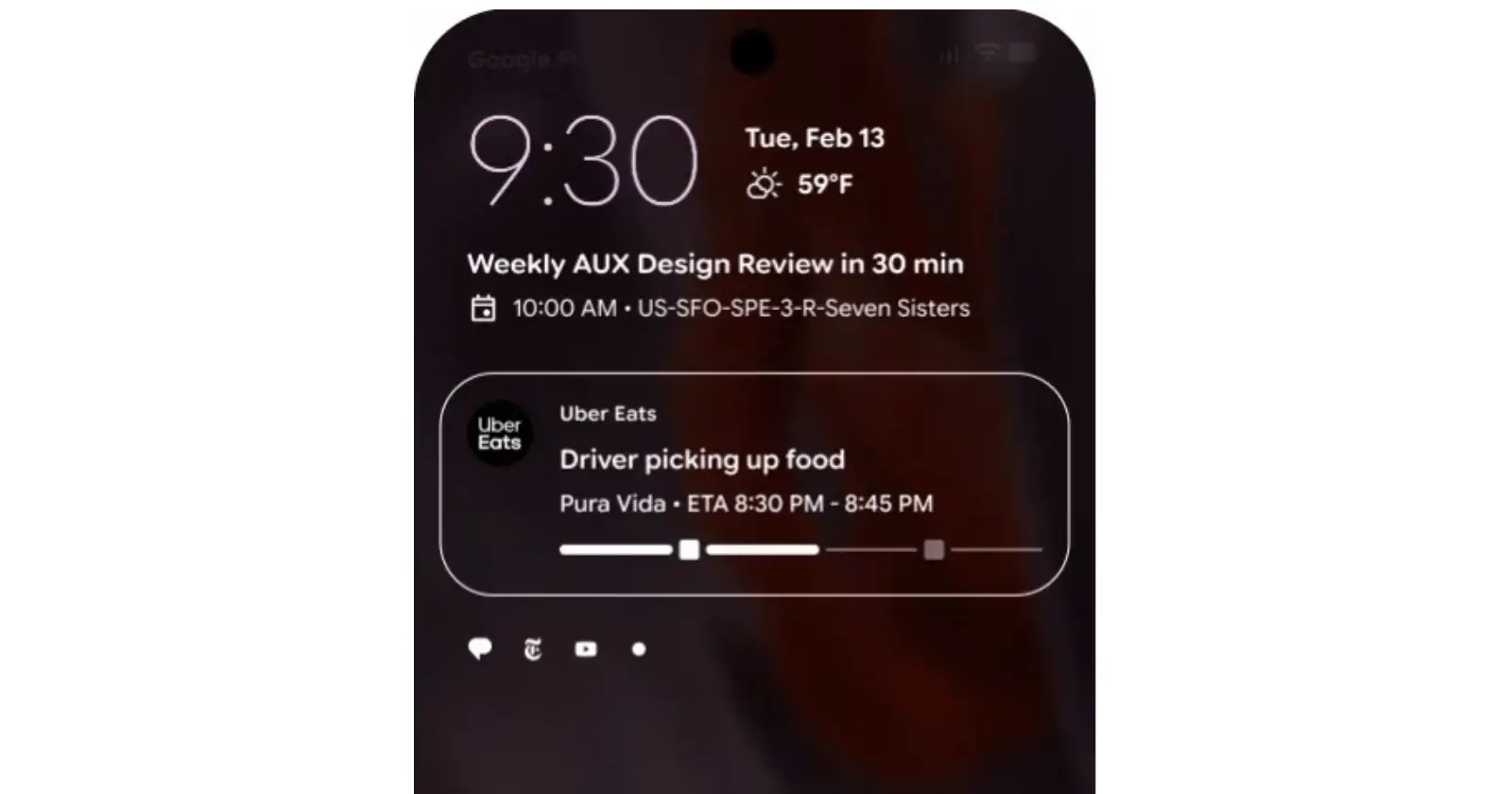
Google’s latest announcement hints that Pixel phones might get a much more eye-catching always-on display. Instead of that stark black background showing just the time and a few icons, you’ll soon see a faint trace of your wallpaper peeking through. It feels familiar because Apple and Samsung have long offered similar looks on the iPhone and Galaxy lines. Now it seems Pixels will follow suit.
Right now, most Pixels stick with a plain black AOD. It’s efficient, but hardly thrilling. Earlier this year Google added a colorful clock option in a beta build. That was a small taste of what’s to come. In a promo GIF shared alongside the new Material 3 Expressive design teaser, you can spot a dimmed wallpaper image behind the clock. It’s subtle enough to save battery yet adds a bit of flair. Here’s the video highlighted by Android Authority.
That same preview also shows a revamped lock screen layout. The clock and weather information have shifted to the right. Below them sits a slim notification chip. Rather than listing full previews on the lock screen, you’ll see tiny app icons in a translucent bubble. Tap it, and the chip expands to reveal your messages and alerts. It’s a cleaner approach that keeps the main screen uncluttered.
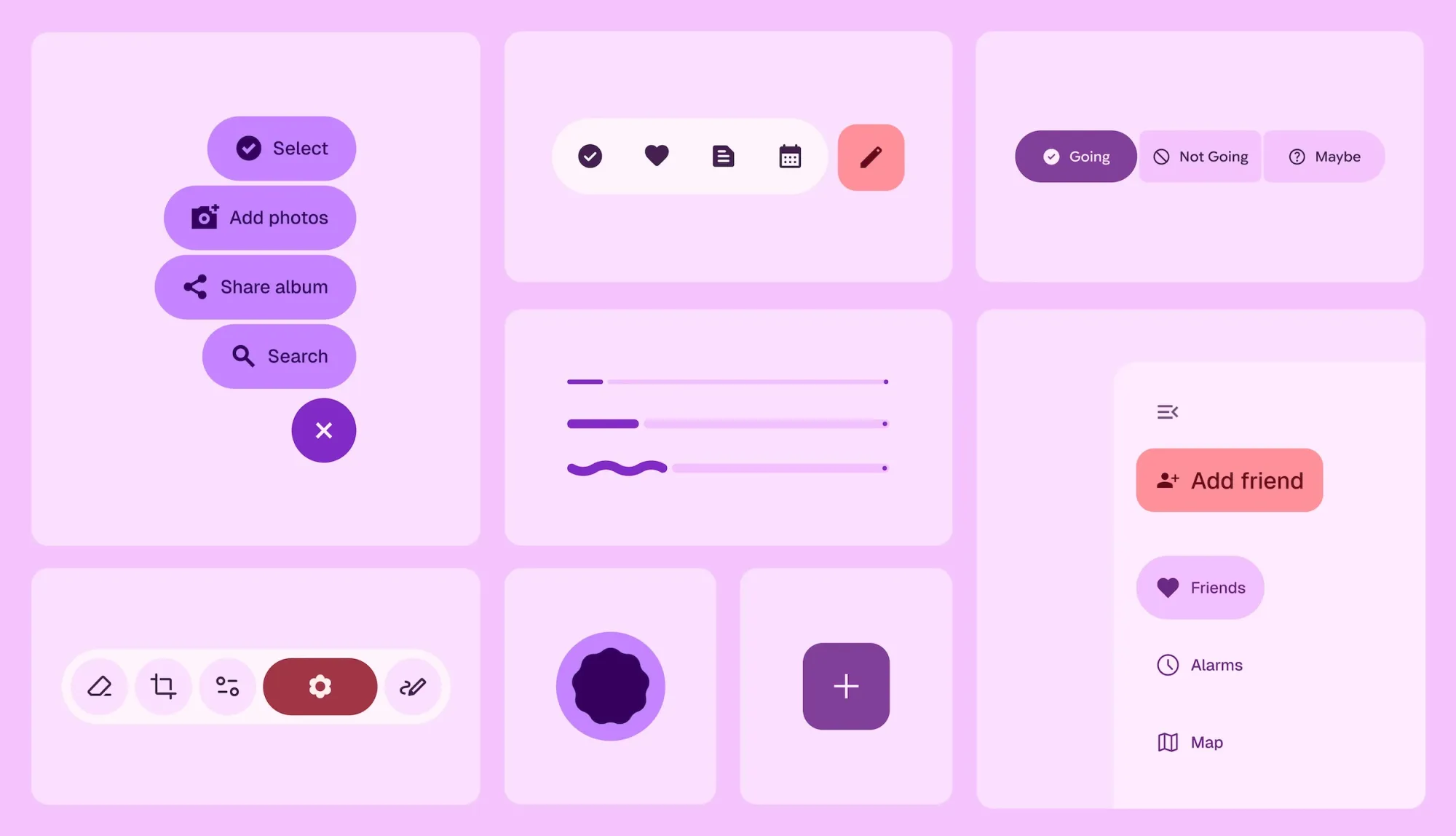
These tweaks aren’t just for show. Google’s pushing a bolder, more playful look with Material 3 Expressive. You’ll spot bigger buttons, chunkier fonts, and smoother animations across stock apps. Photos, Maps, Gmail and even Wear OS watches will get fresh interfaces. The AOD changes likely ride that same wave of new visuals.
As for timing, Android 16 is expected to launch officially in June. The stable release should roll out to Pixel 6 and newer models soon after. If past updates are any guide, other Android makers will follow a bit later, but Google gets first dibs. By mid-summer you might be staring at your favorite wallpaper even when your phone is “off.”
Of course there’s no word yet on any optional settings or further customization. Battery impact is always a concern with always-on screens, but Google seems confident it can balance power draw and style. We’ll know more once the beta gets a wider test run and feature details land in the developer changelog. Until then, Pixel fans can look forward to an AOD that finally feels modern.

Dwayne Cubbins
1853 Posts
My fascination with Android phones began the moment I got my hands on one. Since then, I've been on a journey to decode the ever-evolving tech landscape, fueled by a passion for both the "how" and the "why." Since 2018, I've been crafting content that empowers users and demystifies the tech world. From in-depth how-to guides that unlock your phone's potential to breaking news based on original research, I strive to make tech accessible and engaging.
Next article View Article