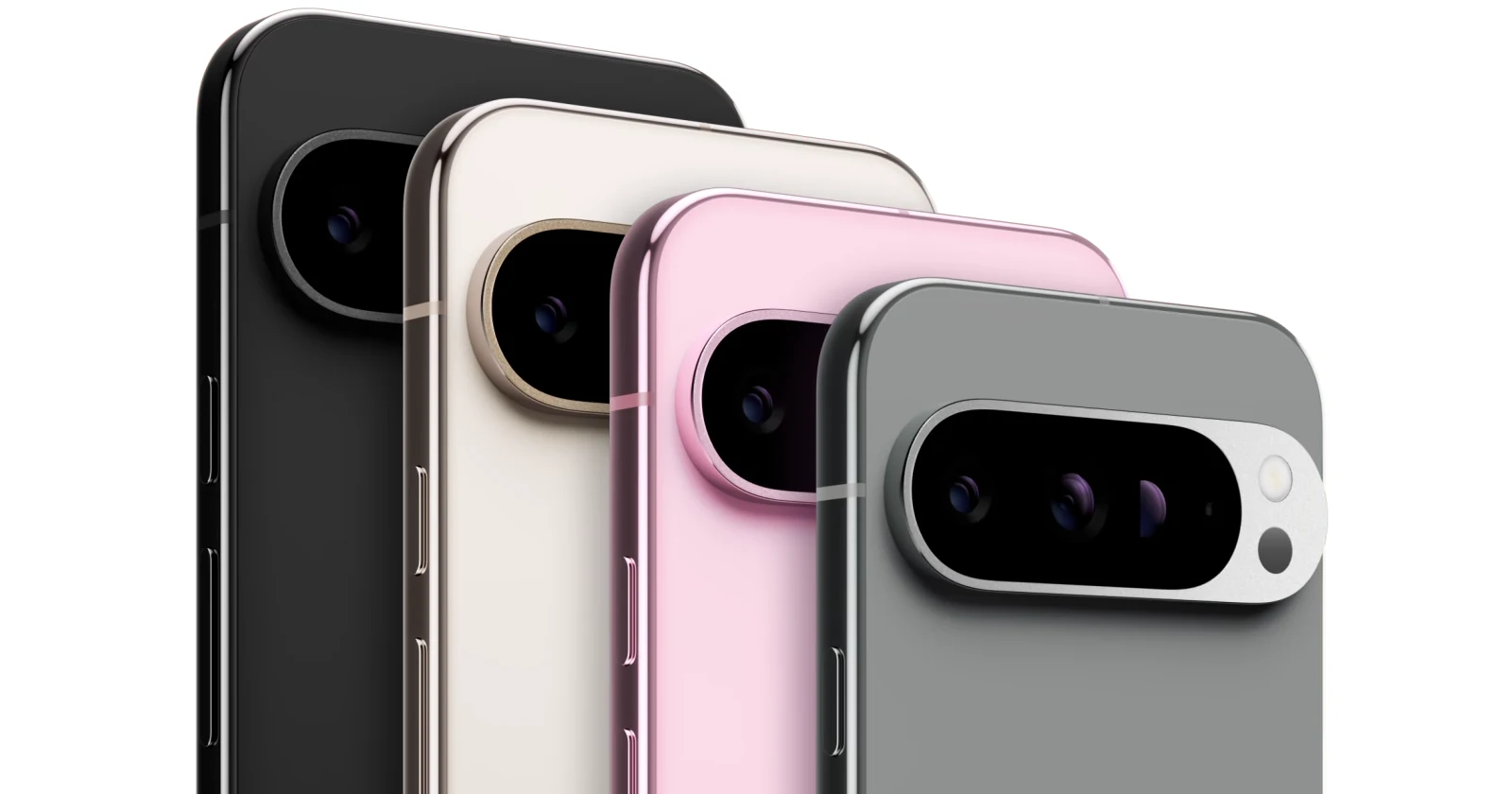
Google has begun talks with its Indian manufacturing partners to shift production of Pixel smartphones away from Vietnam to India, particularly for devices bound for the US market, according to a report by the Economic Times of India.
The tech giant is reportedly in discussions with Dixon Technologies and Foxconn about increasing production capacities in India amid concerns over potential tariffs on goods imported from Vietnam to the United States.
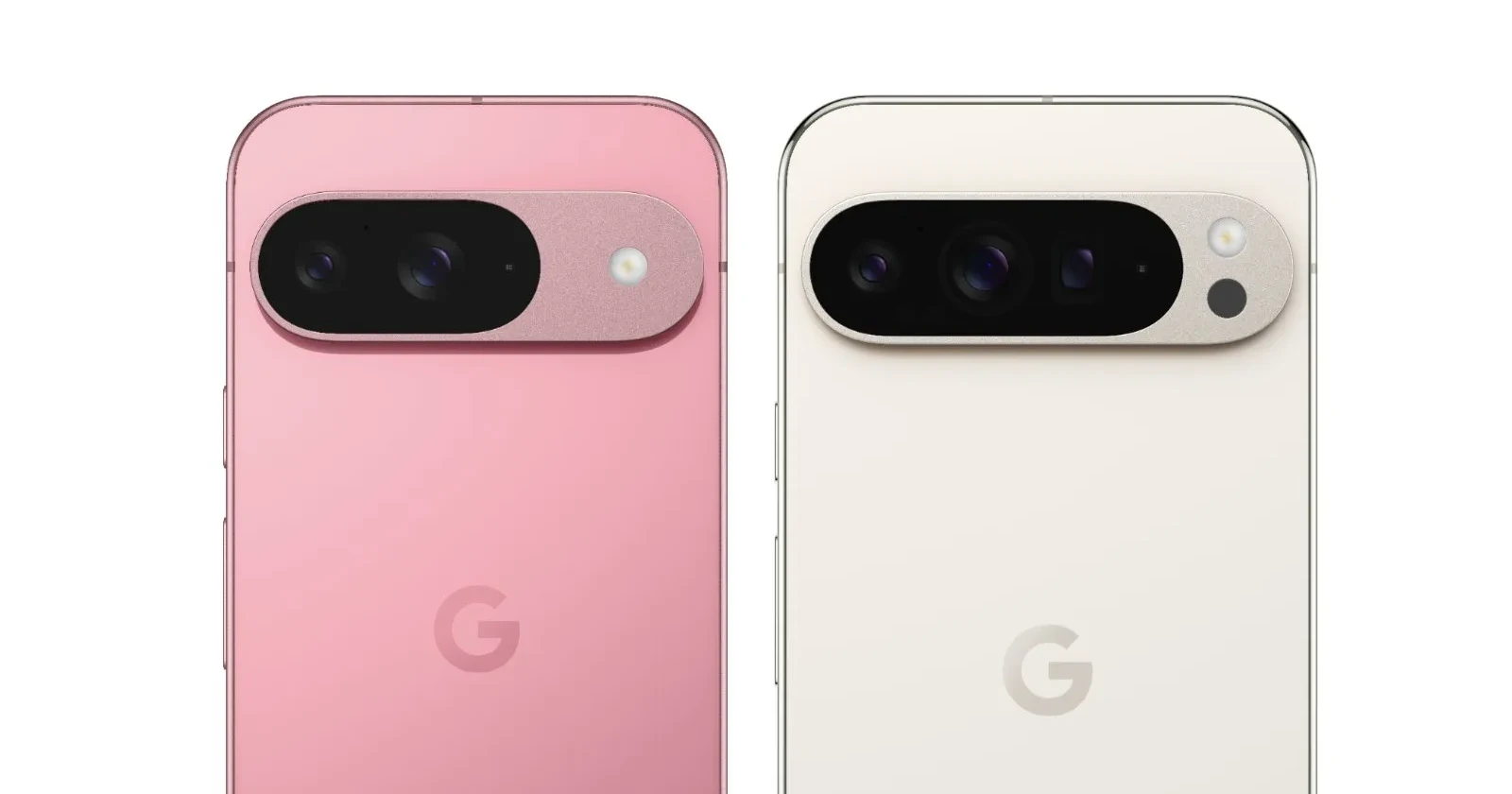
Sources familiar with the matter told the Economic Times that the first round of talks occurred about two weeks ago. The move appears to be part of Alphabet’s strategy to minimize sourcing risks following US President Donald Trump’s announcement of a possible 46% tariff on Vietnamese products, compared to a lower 26% on goods from India.
While Trump paused the reciprocal tariffs for 90 days on April 9, a 10% baseline tariff remains in place, creating ongoing pressure for companies like Google to reconsider their supply chain strategies.
Google currently produces approximately 43,000 to 45,000 Pixel units monthly in India, mainly serving the domestic market. Dixon Technologies handles production at its Noida plant, while Foxconn assembles older Pixel models at its facility in Tamil Nadu, having started production in India in August last year.
The company has also shared plans with its contract manufacturers to localize certain components in India, including enclosures, chargers, fingerprint sensors, and batteries. Currently, most components for Pixel phones assembled in India are imported.
This acceleration of manufacturing plans comes as Google faces mounting pressure from shifting trade dynamics. The company had initially projected a gradual transition over the next two to three years but is now fast-tracking these changes. Last year, Google had already indicated plans to export India-made Pixel phones to markets including the European Union and United States. So this is just another step to put its eggs in more baskets.
At the moment, no company involved has responded or issued a statement regarding the development. So we’ll just have to wait and see how things pan out.

Dwayne Cubbins
1862 Posts
My fascination with Android phones began the moment I got my hands on one. Since then, I've been on a journey to decode the ever-evolving tech landscape, fueled by a passion for both the "how" and the "why." Since 2018, I've been crafting content that empowers users and demystifies the tech world. From in-depth how-to guides that unlock your phone's potential to breaking news based on original research, I strive to make tech accessible and engaging.
Next article View Article