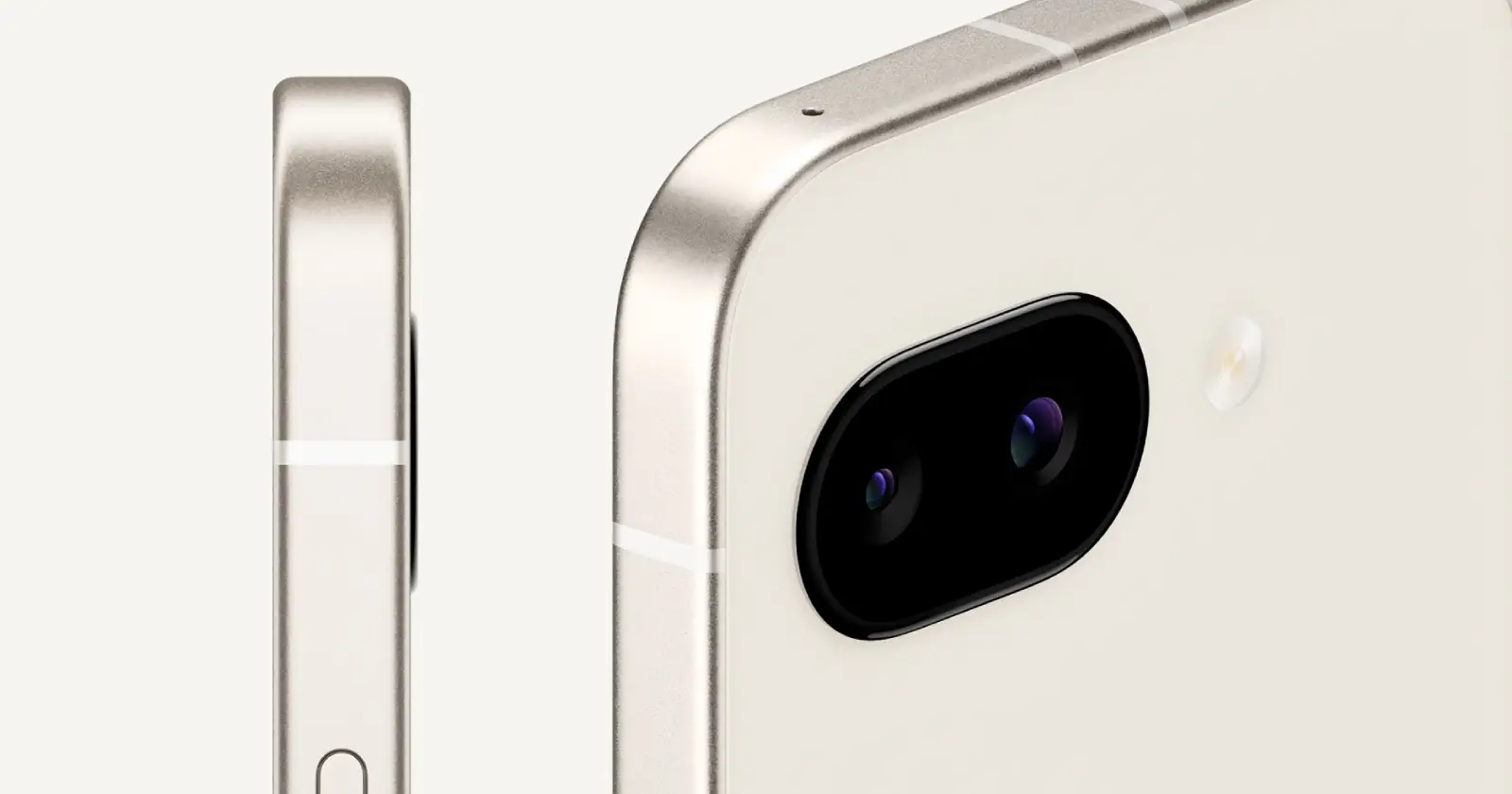
Google’s new Pixel 9a brings several welcome upgrades, including a larger battery and faster charging technology compared to its predecessor. However, if you were hoping for significantly quicker top-ups, you might be slightly disappointed. Recent tests suggest that despite the technical improvements, filling the Pixel 9a’s battery takes about the same amount of time as the Pixel 8a.
On paper, the Pixel 9a looks like a clear winner in the charging department. It supports 23W wired charging, a noticeable bump from the Pixel 8a’s 18W limit. This upgrade brings the A-series phone closer to the charging capabilities of the flagship Pixel 9. Alongside this, Google also packed a much larger 5,100mAh battery into the 9a, compared to the 8a’s 4,500mAh cell. More battery life is always appreciated.
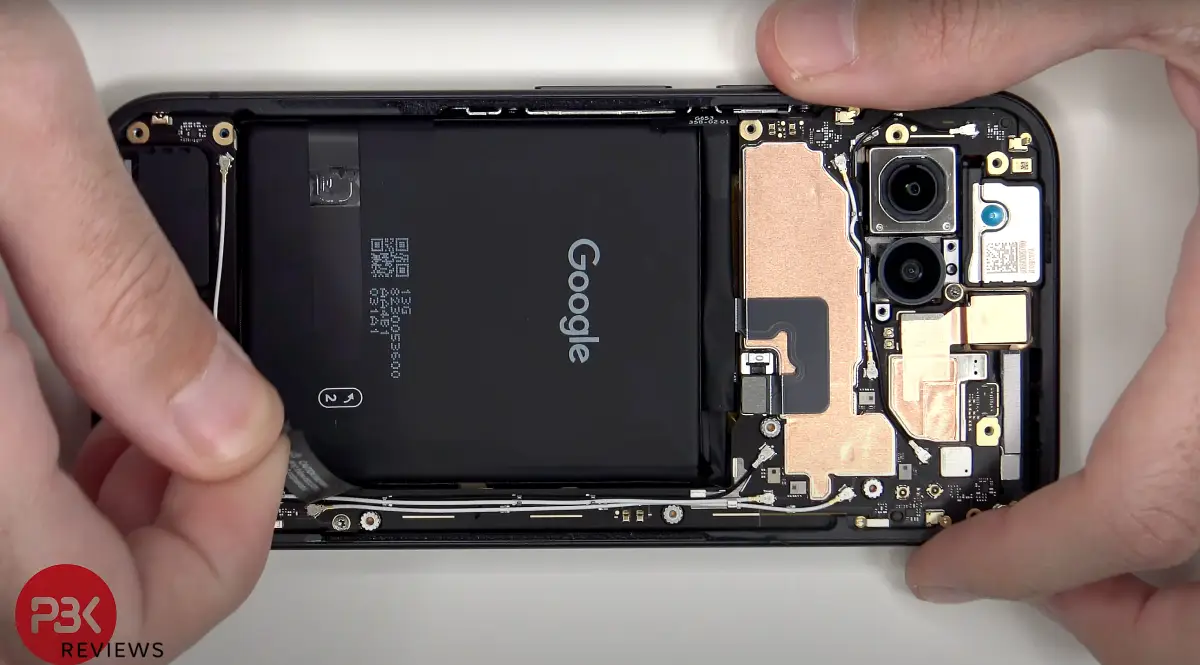
But here’s the twist. That larger battery capacity essentially cancels out the benefits of the faster charging speed when it comes to total charging time. According to tests performed by Android Authority, the Pixel 9a takes a lengthy 94 minutes to go from empty to full. This is only a few minutes faster than the Pixel 8a, despite the wattage increase. The time it takes to reach 50% (30 minutes) and 75% (50 minutes) is also reportedly almost identical between the two generations.
Android Authority’s testing also revealed that to even achieve the advertised 23W speeds (actually hitting peaks of 25W in their tests), users need a specific type of charger. A USB Power Delivery charger with PPS (Programmable Power Supply) support is required. If you try using an older, standard USB PD charger, like one you might have used with the Pixel 8a, the Pixel 9a will likely be limited to just 18W, negating the upgrade entirely.
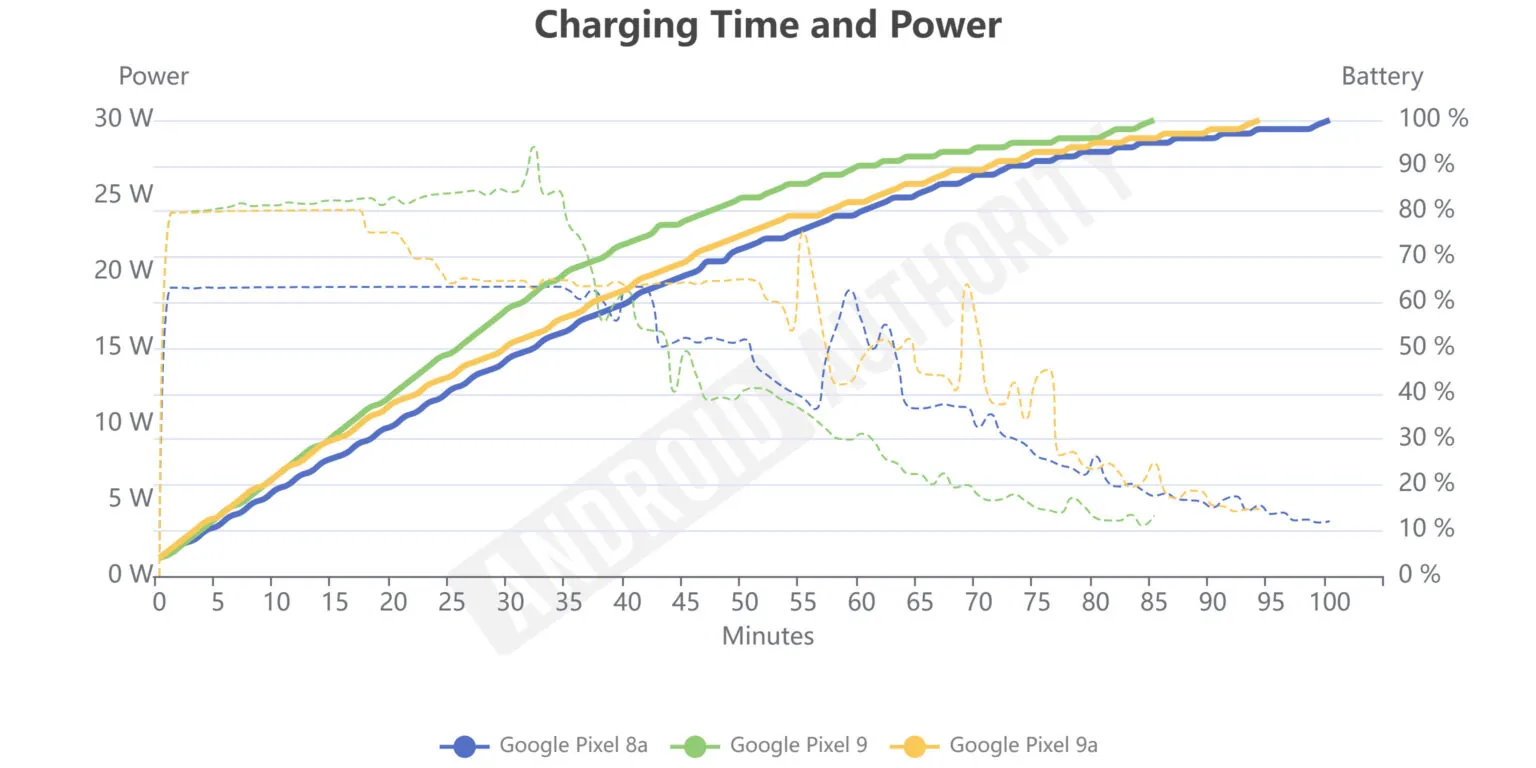
Furthermore, the tests noted that while charging at its peak speed for the first 20 minutes or so, the Pixel 9a became noticeably warmer than the Pixel 8a, reaching temperatures that caused the phone to throttle its charging speed back down to around 18W to manage heat. While not alarmingly hot, increased heat during charging is never ideal for long-term battery health. Speaking of which, the Pixel 9a is already going to get a forced battery voltage reduction after a certain number of charging cycles which will then result in a weaker battery life.
So, while the Pixel 9a technically boasts faster charging hardware, the practical result is very similar charging times compared to last year’s model, mainly because it has a bigger battery to fill. The need for a specific PPS charger and the increased warmth during charging are also factors to consider. It seems faster charging times remain an area where Google’s budget-friendly A-series phones lag behind some competitors.

Dwayne Cubbins
1858 Posts
My fascination with Android phones began the moment I got my hands on one. Since then, I've been on a journey to decode the ever-evolving tech landscape, fueled by a passion for both the "how" and the "why." Since 2018, I've been crafting content that empowers users and demystifies the tech world. From in-depth how-to guides that unlock your phone's potential to breaking news based on original research, I strive to make tech accessible and engaging.
Next article View Article